
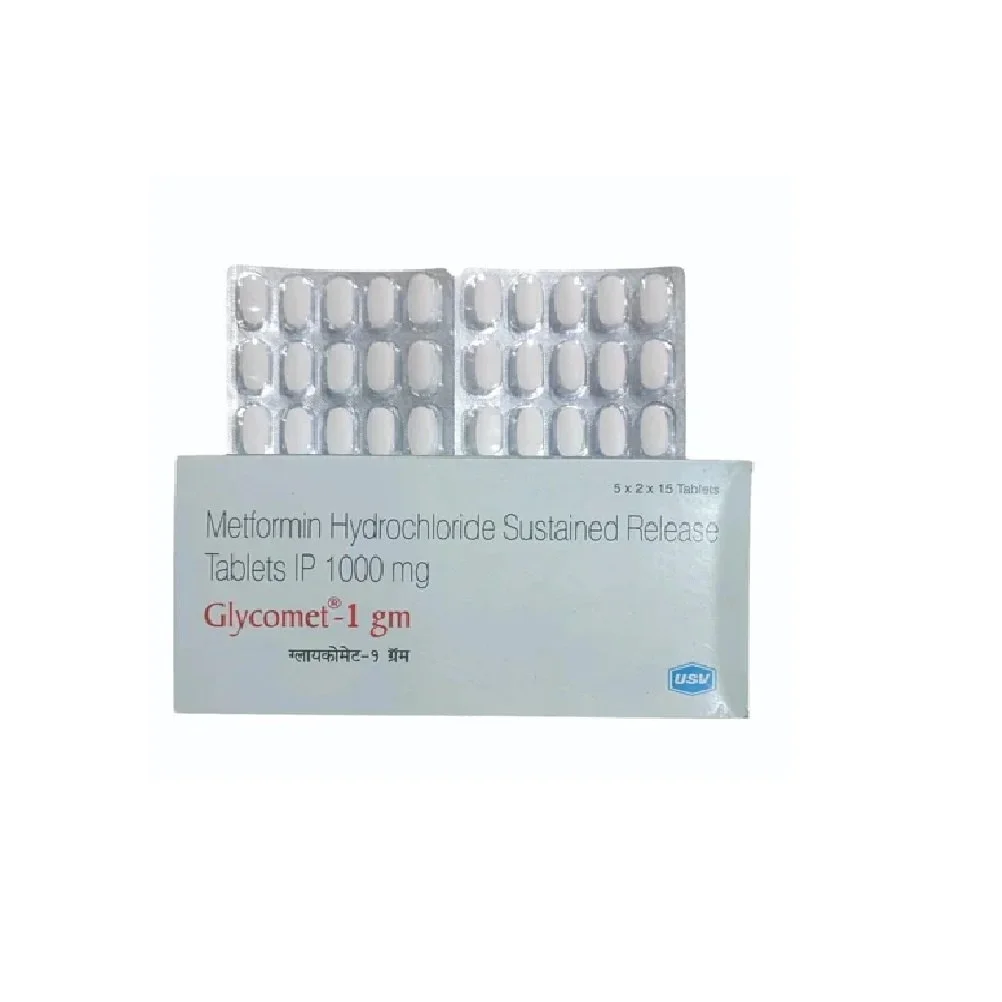

Glycomet 1000 mg
Price range: $15.00 through $30.00
| Quantity Value | Price | Price/Unit | Quantity | Add To Cart |
|---|---|---|---|---|
| 100 Tablet S | $15.00 | $0.15 / Piece |

|
|
| 200 Tablets | $30.00 | $0.15 / Piece |
|
SKU : N/A
Category : Other
Glycomet 1000 mg
Glycomet 1000 mg contains metformin hydrochloride, an oral antidiabetic medicine belonging to the biguanide class. It is primarily used to improve blood-glucose control in people with type 2 diabetes mellitus, together with an appropriate diet and regular physical activity.
The 1000 mg strength may be used as part of an established treatment regimen after the patient has tolerated lower doses, or as directed by a healthcare professional. The exact dose and formulation depend on the patient’s blood-glucose levels, kidney function, response to treatment, and other medicines being used.
Uses of Glycomet 1000 mg
Glycomet 1000 mg may be prescribed to:
- Control high blood glucose in adults with type 2 diabetes
- Improve glucose control when diet and exercise alone are insufficient
- Be combined with other oral antidiabetic medicines
- Be used together with insulin when additional glucose control is required
- Improve insulin sensitivity in selected patients with insulin resistance or PCOS when specifically prescribed
Metformin is not generally used as the sole treatment for type 1 diabetes.
How Glycomet 1000 mg Works
Metformin lowers blood glucose primarily by reducing glucose production by the liver. It also improves the body’s sensitivity to insulin, allowing muscles and other tissues to use glucose more effectively.
It has a smaller effect on reducing glucose absorption from the intestine.
Unlike some other diabetes medicines, metformin does not normally stimulate the pancreas to produce more insulin. Consequently, when used alone, it generally has a low risk of causing hypoglycemia. The risk can increase when metformin is combined with insulin or medicines such as sulfonylureas.
How to Take Glycomet 1000 mg
Take Glycomet exactly as prescribed by your doctor. The appropriate dose and frequency vary according to your diabetes control, kidney function, formulation, and other medications.
Metformin is generally taken with or immediately after food to reduce digestive side effects. Swallow the tablet with water.
If your prescribed product is an extended-release or modified-release formulation, swallow it whole unless the specific product instructions state otherwise. Do not crush or chew a modified-release tablet.
Because 1000 mg is a relatively high tablet strength, it should not automatically be substituted for a 500 mg tablet or used as a starting dose without medical advice.
If you miss a dose, follow your doctor’s instructions. Do not take an extra dose to compensate unless specifically advised.
Common Side Effects
Digestive symptoms are the most common adverse effects, particularly when treatment is initiated or the dose is increased. These may include:
- Nausea
- Diarrhea
- Abdominal pain or discomfort
- Gas or bloating
- Reduced appetite
- Metallic taste
- Indigestion
Taking metformin with meals and gradually increasing the dose when appropriate can improve tolerability.
Contact your healthcare professional if severe or persistent gastrointestinal symptoms occur.
Vitamin B12 Deficiency
Long-term treatment with metformin can reduce vitamin B12 levels in some patients. Your doctor may periodically check B12 levels, particularly during prolonged treatment or if you develop anemia, unusual tiredness, numbness, tingling, or other symptoms suggestive of deficiency.
Serious Warning: Lactic Acidosis
A rare but potentially life-threatening complication of metformin is lactic acidosis, in which lactic acid accumulates in the blood.
The risk is higher in people with significant kidney impairment and certain serious medical conditions. Seek urgent medical attention for severe weakness, unusual sleepiness, difficulty breathing, persistent vomiting, severe abdominal discomfort, muscle pain, or feeling unusually cold.
For this reason, kidney function should be assessed before treatment and monitored periodically.
Kidney Function and Contrast Imaging
Metformin is eliminated mainly through the kidneys. Patients with impaired kidney function may require dose adjustment or may not be suitable for certain metformin regimens.
If you are scheduled for an examination involving iodinated contrast material, tell your doctor or radiology team that you take metformin. Depending on your kidney function and the procedure, temporary interruption may be recommended.
Metformin may also need to be temporarily withheld during severe dehydration, prolonged vomiting or diarrhea, serious infection, or other conditions that can affect kidney function.
Precautions
Tell your doctor before taking Glycomet if you have:
- Kidney disease
- Liver disease
- Heart failure or significant heart problems
- A previous episode of lactic acidosis
- Heavy or frequent alcohol consumption
- Severe dehydration
- A serious infection or acute illness
Avoid excessive alcohol consumption while taking metformin because alcohol can increase the risk of lactic acidosis and may interfere with blood-glucose control.
Drug Interactions
Metformin can interact with medicines that affect blood glucose, kidney function, or metformin elimination. These include:
- Insulin and other antidiabetic medicines
- Corticosteroids
- Certain diuretics
- Some medicines used for blood pressure or heart conditions
- Medicines that may affect kidney function
- Iodinated contrast agents used during certain imaging procedures
- Other medicines that can alter metformin clearance
Always provide your doctor or pharmacist with a complete list of prescription medicines, over-the-counter products, vitamins, and herbal supplements you use.
Pregnancy and Breastfeeding
Metformin may be used during pregnancy in selected circumstances under medical supervision. If you are pregnant or planning pregnancy, discuss your diabetes treatment with your healthcare professional before changing or stopping medication.
Metformin passes into breast milk in small amounts. Your doctor can assess whether continued treatment is appropriate during breastfeeding.
Monitoring During Treatment
Regular monitoring helps ensure that treatment remains effective and safe. Your healthcare professional may monitor:
- Fasting and post-meal blood glucose
- HbA1c
- Kidney function
- Vitamin B12 when clinically indicated
- Weight and overall diabetes control
Metformin should be combined with appropriate nutrition, physical activity, and regular diabetes follow-up.
Storage
Store Glycomet 1000 mg at room temperature, protected from excessive heat and moisture. Keep the medicine in its original packaging and out of reach of children. Do not use it after the expiry date.
Conclusion
Glycomet 1000 mg (metformin) is an important medicine for managing type 2 diabetes. It primarily lowers blood glucose by reducing glucose production in the liver and improving insulin sensitivity. The 1000 mg strength may form part of a patient’s established treatment regimen, but the appropriate dose must be individualized.
Digestive side effects are common, particularly after starting or increasing treatment, while vitamin B12 deficiency can occur with long-term use. More importantly, significant kidney impairment can increase the risk of the rare but serious complication of lactic acidosis. Take Glycomet exactly as prescribed and attend recommended blood-glucose and kidney-function monitoring.
| Pack Size |
100 Tablet/s ,200 Tablets |
|---|