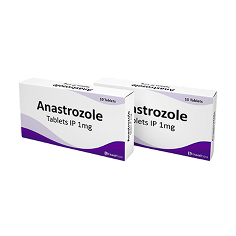

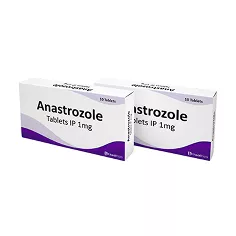

Anastrozole 1 mg
Price range: $80.00 through $157.00
| Quantity Value | Price | Price/Unit | Quantity | Add To Cart |
|---|---|---|---|---|
| 100 Tablet S | $80.00 | $0.80 / Piece |

|
|
| 200 Tablets | $157.00 | $0.79 / Piece |
|
SKU : N/A
Category : Other
Anastrozole 1 mg
Anastrozole 1 mg is a prescription medicine primarily used in the treatment of hormone-sensitive breast cancer, particularly in postmenopausal women. It belongs to a group of medicines called aromatase inhibitors. Anastrozole works by reducing the production of estrogen in the body. Since some breast cancers require estrogen to grow, lowering estrogen levels can help slow or stop the growth of hormone-sensitive cancer cells.
Anastrozole is commonly used after surgery or other initial treatment for breast cancer and may also be prescribed when breast cancer has spread to other parts of the body. Treatment duration depends on the type and stage of cancer and the individual’s response to therapy.
How Anastrozole 1 mg Works
Anastrozole selectively inhibits an enzyme called aromatase. This enzyme converts certain hormones called androgens into estrogen, particularly after menopause when the ovaries produce much less estrogen.
By blocking aromatase, anastrozole significantly lowers estrogen levels in the body. Reduced estrogen stimulation can help prevent estrogen-receptor-positive breast cancer cells from growing and multiplying.
Unlike some hormonal treatments, anastrozole does not directly block estrogen receptors. Instead, it reduces the amount of estrogen available to stimulate them.
Uses of Anastrozole 1 mg
Anastrozole is mainly prescribed for:
- Treatment of hormone receptor-positive breast cancer in postmenopausal women
- Adjuvant treatment following surgery for early breast cancer
- Treatment of locally advanced or metastatic hormone-sensitive breast cancer
- Continuing hormonal treatment after previous therapy such as tamoxifen, when clinically appropriate
- In selected circumstances, reducing the risk of developing breast cancer in certain high-risk postmenopausal women, under specialist supervision
The exact indication and duration of treatment should be determined by an oncologist or other qualified healthcare professional.
How to Take Anastrozole 1 mg
Anastrozole is generally taken as one 1 mg tablet once daily, or exactly as prescribed. It may be taken with or without food. Try to take it at approximately the same time each day.
Swallow the tablet with water and do not crush or chew it unless specifically instructed.
If a dose is missed, take it when remembered unless it is nearly time for the next dose. In that case, skip the missed dose and continue with the regular schedule. Do not take two doses together to compensate for a missed tablet.
Because breast cancer treatment may continue for several years, patients should take anastrozole consistently and should not discontinue it without discussing the decision with their healthcare professional.
Common Side Effects
Because anastrozole lowers estrogen levels, many of its side effects are related to reduced estrogen activity. Possible effects include:
- Hot flushes and sweating
- Joint or muscle pain
- Stiffness
- Tiredness or weakness
- Headache
- Nausea
- Difficulty sleeping
- Mood changes
- Vaginal dryness
- Reduced sexual interest
- Mild swelling
Some side effects may become less troublesome as treatment continues. However, persistent or severe symptoms should be discussed with a healthcare professional.
Bone Health and Long-Term Effects
One important concern with long-term anastrozole treatment is bone loss. Estrogen helps maintain bone strength, so lowering estrogen can increase the risk of osteoporosis and fractures.
Doctors may assess bone mineral density before and during treatment, particularly in patients who have additional risk factors for osteoporosis. Adequate calcium and vitamin D intake, weight-bearing exercise, and appropriate lifestyle measures may be recommended. In some cases, additional medicines may be prescribed to protect bone health.
Anastrozole may also affect blood cholesterol levels, so cholesterol monitoring may be appropriate for some patients.
Precautions and Warnings
Anastrozole is generally intended for postmenopausal women. It should not be used during pregnancy because lowering estrogen can harm a developing fetus. Women who could become pregnant should discuss appropriate contraception with their healthcare professional.
Tell your doctor if you have:
- Osteoporosis or a history of fractures
- Liver disease
- Kidney disease
- Heart disease or cardiovascular risk factors
- High cholesterol
- Previous blood-clotting problems
- Unexplained vaginal bleeding
Anastrozole is not normally used in premenopausal women unless specifically directed by a specialist as part of a particular treatment strategy.
Drug Interactions
Some medicines can interfere with the effectiveness of anastrozole. In particular, estrogen-containing medicines may reduce its therapeutic effect and are generally avoided unless specifically recommended.
Tell your doctor about all prescription medicines, over-the-counter products, vitamins, and herbal supplements you take. Do not start or stop another medicine without professional advice during cancer treatment.
Storage
Store Anastrozole 1 mg tablets at room temperature, away from excessive heat, moisture, and direct sunlight. Keep the medicine in its original packaging and out of reach of children and pets. Do not use tablets after their expiration date.
Conclusion
Anastrozole 1 mg is an important hormonal therapy for many postmenopausal patients with estrogen-sensitive breast cancer. By inhibiting aromatase and lowering estrogen production, it can help reduce cancer growth and the risk of recurrence in appropriate patients. Regular medical follow-up is important during treatment, particularly for monitoring bone health, cholesterol, treatment response, and troublesome side effects.
Anastrozole should be taken exactly as prescribed and should not be stopped without medical guidance. Any new or severe symptoms should be reported promptly to the treating healthcare professional.
| Pack Size |
100 Tablet/s ,200 Tablets |
|---|