
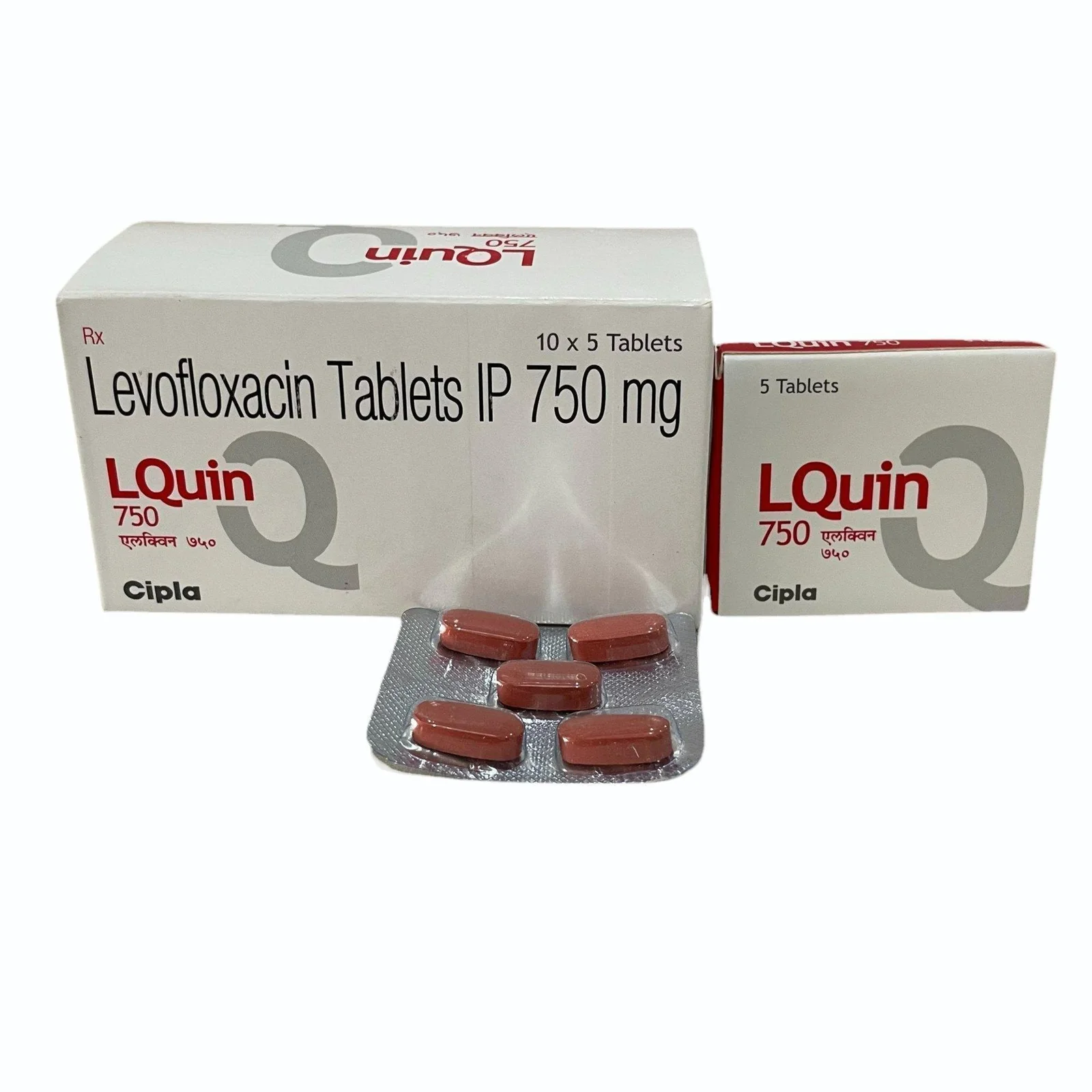
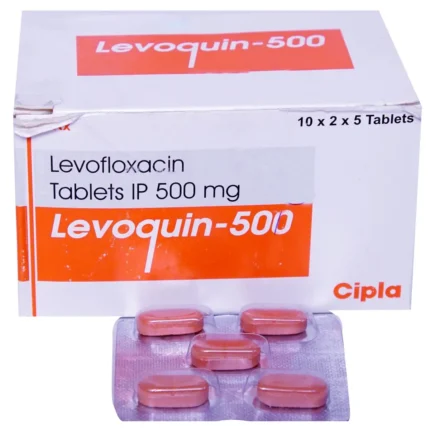
Levaquin 750 mg
Price range: $380.00 through $500.00
| Quantity Value | Price | Price/Unit | Quantity | Add To Cart |
|---|---|---|---|---|
| 100 Tablet S | $380.00 | $3.80 / Piece |

|
|
| 200 Tablets | $500.00 | $2.50 / Piece |
|
SKU : N/A
Category : Other
Levaquin 750 mg
Levaquin 750 mg contains levofloxacin, a prescription antibiotic belonging to the fluoroquinolone class. It is used to treat certain bacterial infections affecting different parts of the body, including the respiratory tract, urinary system, skin, and other tissues when the causative bacteria are susceptible to levofloxacin.
Because fluoroquinolone antibiotics can cause potentially serious and sometimes long-lasting adverse effects, Levaquin should be used only when specifically prescribed and when an appropriate antibiotic is considered necessary. It does not work against viral infections such as the common cold or influenza.
Uses of Levaquin 750 mg
Depending on the bacteria involved and the patient’s medical circumstances, levofloxacin may be prescribed for certain:
- Community-acquired bacterial pneumonia
- Complicated bacterial respiratory infections
- Acute bacterial sinusitis in selected circumstances
- Complicated urinary tract infections
- Acute pyelonephritis, a bacterial kidney infection
- Certain skin and soft-tissue infections
- Other susceptible bacterial infections when alternative treatments are inappropriate
Levofloxacin may also be used for particular serious infections under specialist supervision.
The 750 mg strength is commonly used for selected infections requiring a higher once-daily dose. The appropriate dose and duration depend on the infection, kidney function, susceptibility of the bacteria, and the prescribing clinician’s judgment.
How Levaquin Works
Levofloxacin kills susceptible bacteria by inhibiting two enzymes essential for bacterial DNA replication and repair: DNA gyrase and topoisomerase IV.
Blocking these enzymes prevents bacteria from reproducing and maintaining their genetic material, ultimately resulting in bacterial death.
Because the drug targets bacterial enzymes rather than human cells, it can effectively treat susceptible bacterial infections. However, inappropriate or unnecessary use contributes to antibiotic resistance.
How to Take Levaquin 750 mg
Take Levaquin exactly as prescribed. The medicine is generally taken once daily, with the exact duration determined by the type and severity of infection.
It can generally be taken with or without food. Swallow the tablet with sufficient water.
Try to take each dose at approximately the same time each day. Complete the prescribed course unless your healthcare professional instructs you to stop or changes the treatment.
If you miss a dose, take it when remembered unless it is nearly time for the next dose. Do not take two doses together.
Drink adequate fluids during treatment unless you have been advised to restrict fluid intake.
Important Side Effects
Common side effects may include:
- Nausea
- Diarrhea
- Headache
- Dizziness
- Insomnia
- Abdominal discomfort
Fluoroquinolones can also cause serious adverse reactions. Stop taking levofloxacin and seek prompt medical advice if you develop sudden or persistent tendon pain, swelling, or weakness, particularly around the Achilles tendon.
Other potentially serious reactions include peripheral nerve symptoms such as burning, tingling, numbness, or weakness; severe mood or behavioral changes; seizures; severe allergic reactions; and significant changes in blood glucose.
Levofloxacin can also cause QT interval prolongation, which may increase the risk of abnormal heart rhythms in susceptible individuals.
Tendon and Nerve Precautions
Levofloxacin has been associated with tendinitis and tendon rupture, which can occur during treatment or even after treatment has ended. The risk is higher in older adults, people taking corticosteroids, and patients with certain medical conditions.
Avoid strenuous exercise if you develop tendon pain and contact your healthcare professional promptly.
Peripheral neuropathy can also occur and may sometimes persist after treatment. Report new numbness, tingling, burning pain, or weakness.
Drug and Food Interactions
Certain products can substantially reduce the absorption of levofloxacin. Antacids containing magnesium or aluminum, as well as iron, zinc, and some mineral supplements, should generally be taken several hours apart from levofloxacin according to the prescribing instructions.
Tell your healthcare professional if you take:
- Corticosteroids
- Medicines affecting heart rhythm
- Warfarin or other anticoagulants
- Diabetes medicines
- Certain antidepressants or other medicines that can prolong the QT interval
- Mineral supplements or antacids
Levofloxacin may increase the effect of warfarin in some patients, so appropriate monitoring may be required.
Precautions and Contraindications
Before taking Levaquin, inform your doctor if you have:
- A previous serious reaction to a fluoroquinolone
- Tendon disorders or previous tendon rupture
- Seizure disorders
- Kidney disease
- Heart rhythm problems
- Aortic aneurysm or other significant vascular disease
- Diabetes
- Myasthenia gravis
Older adults and people taking corticosteroids may require particular caution because of increased tendon-related risk.
Fluoroquinolones may also affect blood glucose and the nervous system. Patients with diabetes may require closer glucose monitoring.
Pregnancy and Breastfeeding
Levofloxacin is generally avoided during pregnancy unless a healthcare professional determines that its use is necessary.
If you are pregnant, planning pregnancy, or breastfeeding, tell your doctor before starting treatment.
Storage
Store Levaquin 750 mg tablets at room temperature, away from excessive heat and moisture. Keep the medicine in its original packaging and out of reach of children.
Do not use tablets after the expiration date.
Conclusion
Levaquin 750 mg (levofloxacin) is a fluoroquinolone antibiotic used to treat selected bacterial infections. It works by inhibiting bacterial DNA gyrase and topoisomerase IV, preventing susceptible bacteria from reproducing and surviving.
Although effective against appropriate bacterial infections, levofloxacin carries important safety warnings, particularly concerning tendon injury, peripheral neuropathy, nervous-system effects, blood glucose abnormalities, and abnormal heart rhythms. It should therefore be reserved for infections where its benefits outweigh its risks.
Take Levaquin exactly as prescribed and avoid self-medication or using leftover antibiotics. Seek medical advice promptly if you develop tendon pain, numbness or weakness, severe diarrhea, significant allergic symptoms, or other serious reactions during or after treatment.
| Pack Size |
100 Tablet/s ,200 Tablets |
|---|