
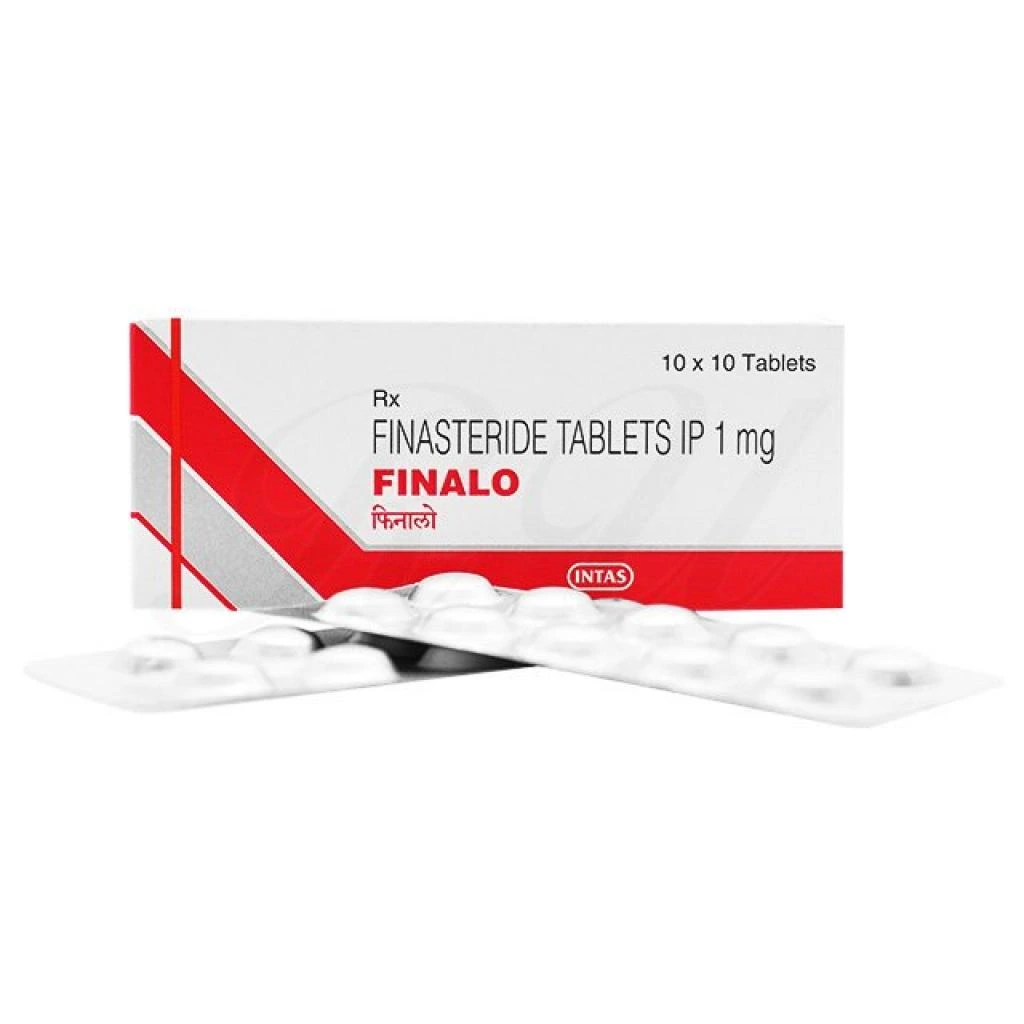
Finasteride 1 Mg
Price range: $200.00 through $360.00
| Quantity Value | Price | Price/Unit | Quantity | Add To Cart |
|---|---|---|---|---|
| 100 Tablet S | $200.00 | $2.00 / Piece |

|
|
| 200 Tablets | $360.00 | $1.80 / Piece |
|
SKU : N/A
Category : Other
Finasteride 1 mg
Finasteride 1 mg is a prescription medicine primarily used for the treatment of male pattern hair loss, also known as androgenetic alopecia. It belongs to a group of medicines called 5-alpha-reductase inhibitors. Finasteride works by reducing the production of dihydrotestosterone (DHT), a hormone that plays an important role in the development of male pattern hair loss.
Finasteride 1 mg is intended primarily for adult men and is generally taken once daily. Treatment usually requires consistent use over several months before noticeable improvement becomes apparent. Because hair loss can have several different causes, a healthcare professional should confirm the diagnosis before treatment is started.
Uses of Finasteride 1 mg
The main use of Finasteride 1 mg is the treatment of male pattern hair loss in men. This condition is characterized by gradual thinning of hair, typically beginning at the hairline, temples, or crown of the scalp.
Male pattern hair loss is influenced by genetic and hormonal factors. Finasteride can help slow further hair loss and may promote hair regrowth in some men, particularly when treatment is started during the earlier stages of hair loss.
Finasteride 1 mg is different from higher-dose finasteride formulations that may be prescribed for benign prostatic hyperplasia (BPH). The 1 mg strength is specifically associated with treatment of male pattern hair loss.
How Finasteride Works
Finasteride works by inhibiting an enzyme called 5-alpha-reductase. This enzyme converts testosterone into dihydrotestosterone (DHT).
In genetically susceptible men, DHT can cause hair follicles on the scalp to gradually become smaller, a process known as follicular miniaturization. Over time, the affected follicles produce progressively thinner and shorter hairs.
By reducing DHT levels, finasteride can help slow this miniaturization process. With continued treatment, some hair follicles may produce thicker and more visible hair.
Finasteride does not permanently cure male pattern hair loss. Its benefits generally depend on continued treatment.
How to Take Finasteride 1 mg
Finasteride 1 mg is generally taken once daily, with or without food, according to the prescription provided by a healthcare professional.
The tablet should be swallowed whole with water and should not be crushed or broken unless specifically instructed. Taking the medicine consistently is important for achieving the best possible response.
If a dose is missed, patients should follow their healthcare professional’s instructions and should not take an extra dose to make up for the missed tablet.
Visible improvement may take several months. Stopping treatment usually results in the gradual loss of hair that was maintained or regrown during therapy.
Common Side Effects
Some men taking finasteride may experience side effects. Reported adverse effects include decreased sexual desire, erectile difficulties, and changes in ejaculation. Some patients may also experience breast tenderness or enlargement.
Not everyone experiences these effects, and they may improve during continued treatment or after discontinuation. However, patients should discuss persistent or troublesome symptoms with their doctor.
Mood changes, including depression or suicidal thoughts, have also been reported in some people taking finasteride. Anyone experiencing significant mood changes or thoughts of self-harm should seek medical attention promptly.
Important Safety Information
Finasteride is intended for use in men for the treatment of male pattern hair loss. Women who are pregnant or may become pregnant should not handle crushed or broken finasteride tablets because the active ingredient may be absorbed through the skin and could potentially harm a developing male fetus.
Intact tablets are coated to prevent contact with the active ingredient during normal handling. Pregnant women should follow appropriate precautions and should ask a healthcare professional if they accidentally come into contact with broken tablets.
Finasteride can also reduce prostate-specific antigen (PSA) levels. Men undergoing prostate cancer screening should inform their healthcare professional that they are taking finasteride, as PSA results may need to be interpreted differently.
Sexual and Reproductive Considerations
Finasteride can affect sexual function in some patients. Possible effects include reduced libido, erectile dysfunction, and changes in ejaculation.
Small amounts of finasteride may be present in semen. Men who have concerns about fertility, are planning to father a child, or are experiencing reproductive problems should discuss these concerns with their healthcare professional.
Monitoring and Follow-Up
Finasteride generally does not require frequent laboratory monitoring solely for hair loss, but regular medical follow-up can be useful to assess treatment response and side effects.
A healthcare professional may evaluate the pattern and severity of hair loss and determine whether continued treatment is appropriate. Other causes of hair loss, such as nutritional deficiencies, thyroid disorders, scalp conditions, or certain medicines, may need to be considered if the diagnosis is uncertain.
Storage
Finasteride 1 mg should be stored according to the manufacturer’s instructions, away from excessive heat and moisture. Keep the medicine out of the reach of children and do not use it after the expiry date.
Pregnant women should avoid handling crushed or broken tablets.
Conclusion
Finasteride 1 mg is a 5-alpha-reductase inhibitor primarily used to treat male pattern hair loss. By reducing the conversion of testosterone into DHT, it can help slow hair loss and may improve hair growth in some men.
The medicine requires consistent daily use, and noticeable results may take several months. Its benefits generally continue only while treatment is maintained. Potential adverse effects include sexual side effects and, in some patients, mood changes.
Finasteride should be used under the guidance of a qualified healthcare professional. Patients should discuss any persistent sexual problems, mood changes, fertility concerns, or other unexpected symptoms with their doctor. Pregnant women should not handle crushed or broken finasteride tablets because of the potential risk to a developing male fetus.
| Pack Size |
100 Tablet/s ,200 Tablets |
|---|