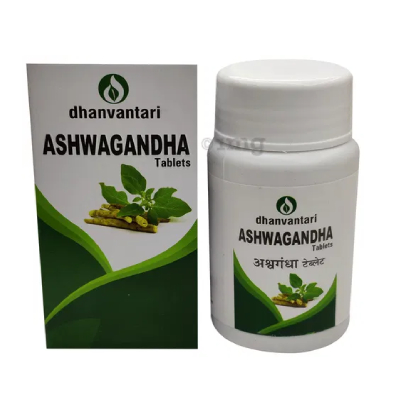

Ashwagandha
$110.00 – $295.00Price range: $110.00 through $295.00
SKU : N/A
Category : Skin Care
Ashwagandha is a traditional medicinal herb (Withania somnifera) widely used in Ayurveda to support stress management, energy, and overall well-being. It is considered an adaptogen that helps the body cope with physical and mental stress.
Ashwagandha
Ashwagandha, scientifically known as Withania somnifera, is a revered medicinal herb in Ayurvedic medicine, India’s ancient system of natural healing. Often called “Indian ginseng” or “winter cherry,” it has been used for thousands of years to promote health, longevity, and resilience. What makes ashwagandha particularly unique is its classification as an adaptogen — a natural substance that helps the body adapt to stress and maintain balance (homeostasis) in the face of physical, mental, and environmental challenges.
Botanical and Historical Background
Ashwagandha is a small shrub with yellow flowers native to India, the Middle East, and parts of Africa. The plant’s root and berries are used for medicinal purposes; traditionally, the root is dried and powdered for use in teas, tonics, or combined with other herbs. In Sanskrit, “ashwa” means horse and “gandha” means smell — referring to the root’s strong aroma, sometimes described as reminiscent of a horse.
Ancient Ayurvedic texts, such as the Charaka Samhita and Sushruta Samhita, document the use of ashwagandha for boosting vitality, strengthening the body, and supporting longevity.
Traditional Uses and Health Benefits
Ashwagandha is traditionally used for a wide range of health purposes, many of which focus on improving the body’s ability to resist stress and maintain balance. Some of the most commonly cited benefits include:
Stress and Anxiety Support
Ashwagandha is best known for its ability to help modulate the body’s stress response. It may reduce levels of cortisol, the primary stress hormone, promoting a calmer mental state and better stress resilience. Many people use it to support emotional well-being during periods of anxiety or chronic stress.
Enhanced Energy and Stamina
By supporting the adrenal system and nervous system, ashwagandha is often used to combat fatigue and restore energy levels, particularly in individuals recovering from illness or prolonged stress.
Cognitive Function and Memory
Some traditional uses and emerging research suggest ashwagandha may help support memory, focus, and cognitive performance. It is sometimes used by students and professionals seeking mental clarity and mental endurance.
Immune System Support
As an adaptogen, Its may help strengthen the body’s natural defenses. It is often included in immune-support regimens to help maintain overall vitality.
Physical Performance and Strength
In Ayurvedic practice, It is used to enhance physical strength and endurance. Modern studies have explored its potential to support muscle strength and exercise performance, making it popular among athletes and fitness enthusiasts.
Sleep Quality
Ashwagandha’s calming properties may also help promote restful sleep, making it a natural option for individuals with occasional sleep disturbances.
Active Components and Mechanism
Ashwagandha contains biologically active compounds including withanolides, alkaloids, and saponins. Withanolides are believed to contribute significantly to the herb’s adaptogenic, anti-inflammatory, and antioxidant effects. These compounds interact with the body’s stress pathways, endocrine system, and immune system, helping the body maintain equilibrium in the face of challenges.
Forms and Dosage
Ashwagandha is available in various forms including:
-
Powdered root (churna)
-
Capsules or tablets
-
Liquid extracts or tinctures
-
Standardized extracts (e.g., withanolide-standardized)
Dosage can vary depending on form, concentration, and individual health goals. Traditional Ayurvedic practice often involves 1–2 teaspoons of powder mixed with warm milk or water, while standardized extract doses (for example, 300–600 mg of withanolides per day) are common in modern supplements. Because individual needs vary, consulting a healthcare provider is recommended before starting supplementation.
Safety and Precautions
Ashwagandha is generally well tolerated when taken as recommended. Mild side effects may include:
-
Stomach upset or diarrhea
-
Drowsiness (especially at higher doses)
-
Headache
Precautions include:
-
Pregnancy and breastfeeding: Limited safety data; consult a healthcare provider
-
Autoimmune conditions: May stimulate immune activity; use with caution
-
Thyroid disorders: Ashwagandha may influence thyroid hormone levels
-
Medication interactions: Especially with sedatives, thyroid meds, or immunosuppressants
Always consult a qualified healthcare professional before starting any new supplement, especially if you have underlying conditions or are taking medications.
Scientific Research and Evidence
There is a growing body of research exploring ashwagandha’s benefits. Studies suggest it may help reduce anxiety, support stress resilience, and improve markers of physical performance and cognitive function. However, while promising, more large-scale human studies are needed to confirm many of these effects conclusively.
External Link for More Information
For reliable, medically reviewed information on ashwagandha and its potential uses, see the National Center for Complementary and Integrative Health:
https://www.nccih.nih.gov/health/ashwagandha
| Pack Size |
120 Tablets ,240 Tablets ,360 Tablets |
|---|
Related products
Betnovate Cream (Betamethasone)

Betnovate M Cream (Betamethasone/Miconazole)

Betnovate-N Cream
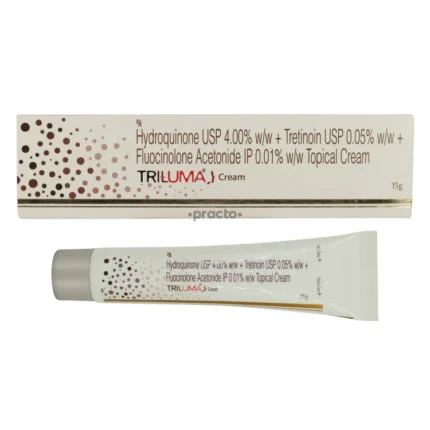
Tri-luma Cream
Tri-Luma Cream treats melasma and hyperpigmentation with a combination of hydroquinone, tretinoin, and fluocinolone acetonide, promoting even, radiant skin.