
Artemisinin 100 mg
$135.00 – $500.00Price range: $135.00 through $500.00
SKU : N/A
Category : CLENBUTEROL
Artemisinin 100 mg is a potent antimalarial compound derived from the plant Artemisia annua used to rapidly reduce malaria parasite loads in the blood. It forms the backbone of artemisinin-based combination therapies (ACTs), which are the standard treatment for Plasmodium falciparum malaria.
Artemisinin 100 mg
Artemisinin 100 mg is a pharmaceutical formulation of artemisinin, a naturally derived antimalarial compound extracted from the sweet wormwood plant (Artemisia annua). It has revolutionized malaria treatment because of its rapid action against the Plasmodium parasite and its critical role in reducing parasite load quickly in infected individuals. Today, artemisinin and its derivatives are considered essential components of first-line malaria therapy, especially in regions where resistance to older antimalarials is widespread.
What Is Artemisinin?
Artemisinin 100 mg is a sesquiterpene lactone containing a unique endoperoxide bridge, which is believed to be responsible for its antimalarial activity. For centuries, the plant Artemisia annua was used in traditional Chinese medicine to treat fevers. Modern science has isolated artemisinin from the plant and developed it into effective antimalarial drugs.
When administered, artemisinin acts quickly to kill malaria parasites, especially the asexual blood stages of Plasmodium falciparum — the species responsible for the most severe and deadly form of malaria.
Mechanism of Action
Artemisinin 100 mg antimalarial effect is linked to its unique chemical structure. Once inside the parasite-infected red blood cell, the endoperoxide bridge reacts with iron from hemoglobin digestion. This leads to the generation of free radicals and reactive oxygen species that damage the parasite’s proteins and membranes, resulting in rapid parasite death.
Because of this mechanism, artemisinin is particularly effective in reducing high parasitemia (parasite load) quickly, often within hours of administration. This rapid action helps alleviate symptoms such as fever and chills and reduces the severity of illness.
Uses and Therapeutic Role
Artemisinin 100 mg is used primarily in the treatment of uncomplicated malaria and, more importantly, as a component of artemisinin-based combination therapies (ACTs). In ACT regimens, artemisinin or one of its derivatives (like artesunate, artemether, or dihydroartemisinin) is combined with a longer-acting partner drug to ensure both rapid parasite reduction and sustained clearance of residual parasites to prevent recrudescence (return of infection).
Why Combination Therapy?
Using artemisinin alone increases the risk of recrudescence and drug resistance because its action, while rapid, is short-lived due to quick clearance from the body. Combining it with another antimalarial with a longer half-life helps:
-
Extend parasite suppression after initial rapid reduction
-
Reduce the likelihood of drug resistance
-
Improve overall cure rates
ACTs are endorsed by the World Health Organization (WHO) as the preferred treatment for uncomplicated P. falciparum malaria worldwide.
Administration and Dosage
Artemisinin 100 mg is typically administered orally and may be given alone in specific clinical settings or — more commonly — as part of a fixed-dose ACT (e.g., artemether-lumefantrine, artesunate-amodiaquine). The exact dosage schedule depends on the specific therapy, age, weight of the patient, and local treatment guidelines.
Patients are advised to:
-
Take the medication exactly as prescribed
-
Complete the full treatment course, even if symptoms improve early
-
Combine with supportive care (hydration, antipyretics) as needed
Completing the full course, even after symptoms subside, is essential to prevent recrudescence and the development of resistance.
Benefits of Artemisinin Therapy
-
Rapid parasite clearance and fast relief of symptoms
-
High efficacy against P. falciparum, even in regions with resistance to older drugs
-
Improved survival rates when used appropriately in ACTs
-
Can be used safely in many populations under clinical guidance
When deployed correctly as part of national malaria control programs, artemisinin-based therapies have significantly reduced malaria morbidity and mortality in endemic regions.
Side Effects and Safety Profile
Artemisinin and its derivatives are generally well tolerated. Common side effects may include:
-
Nausea
-
Headache
-
Dizziness
-
Mild gastrointestinal discomfort
Serious side effects are rare but may include allergic reactions. Because malaria itself causes significant physiological stress, any unexpected symptoms during treatment should be evaluated by a healthcare provider.
Precautions and Contraindications
Before using artemisinin:
-
Inform your healthcare provider of any drug allergies
-
Discuss pregnancy or breastfeeding — malaria in pregnancy poses high risk, and treatment decisions balance risks and benefits
-
Provide a full medical history to monitor for potential interactions
Storage Instructions
Store Artemisinin 100 mg capsules or tablets in a cool, dry place away from direct sunlight and moisture. Keep out of reach of children.
External Link for More Information
For the World Health Organization’s official malaria treatment recommendations and guidance on artemisinin-based therapies, visit:
https://www.who.int/teams/global-malaria-programme/treatment
| Pack Size |
100 Tablets ,200 Tablets ,30 Tablets ,50 Tablets |
|---|
Related products

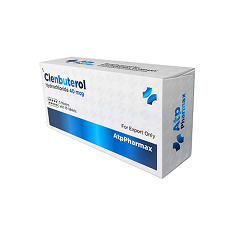
Clenbuterol 40 Mcg
Clenbuterol 40 mcg is a medication that acts as a bronchodilator, used in some countries (primarily veterinary or off-label human contexts) to relax airway muscles and support breathing in respiratory conditions. It must be used only under medical supervision, as inappropriate use can cause serious side effects.