
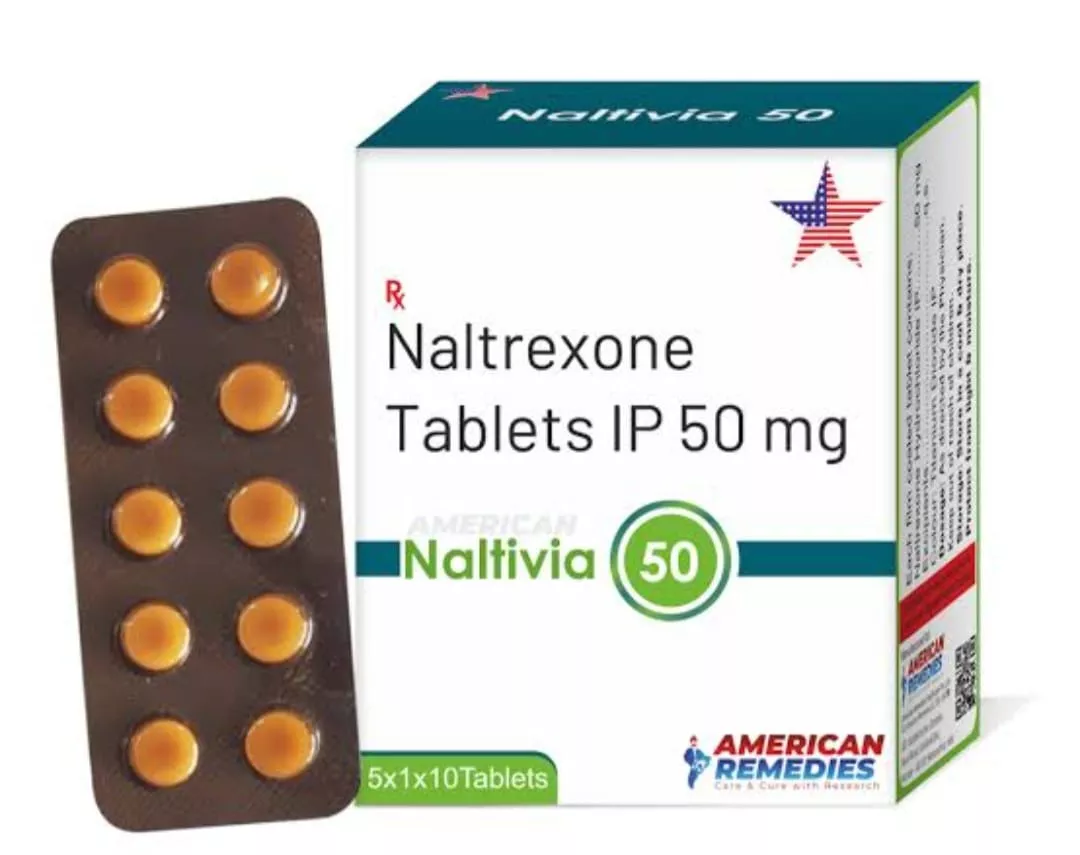
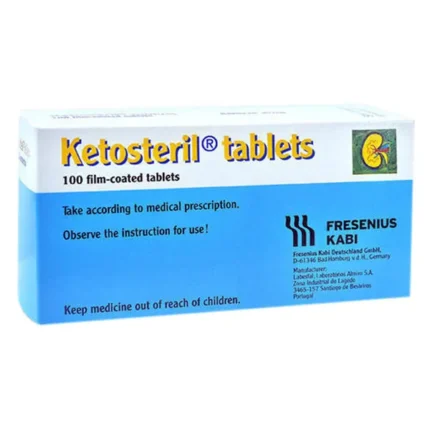
Naltrexone
Price range: $250.00 through $350.00
| Quantity Value | Price | Price/Unit | Quantity | Add To Cart |
|---|---|---|---|---|
| 100 Tablet S | $250.00 | $2.50 / Piece |

|
|
| 200 Tablets | $350.00 | $1.75 / Piece |
|
SKU : N/A
Category : Other
Naltrexone
Naltrexone is a prescription medicine that belongs to a group of medicines known as opioid antagonists. It is primarily used as part of a comprehensive treatment program for alcohol use disorder and opioid use disorder. Naltrexone works by blocking opioid receptors in the brain and reducing the effects produced by opioid drugs. In people being treated for alcohol use disorder, it may also help reduce alcohol cravings and the rewarding effects associated with drinking.
Naltrexone is available in different formulations, including oral tablets and a long-acting injectable form in some countries. The appropriate formulation and treatment schedule depend on the individual’s medical condition, treatment goals, and healthcare professional’s recommendation.
Uses of Naltrexone
One of the main uses of naltrexone is the treatment of alcohol use disorder. It does not produce intoxication or act as a replacement for alcohol. Instead, it can help reduce the pleasurable or reinforcing effects associated with alcohol consumption and may decrease the desire to drink in some patients. Naltrexone is generally used together with counseling, behavioral therapy, support programs, and other recovery strategies.
Naltrexone is also used as part of treatment for opioid use disorder. By blocking opioid receptors, it prevents opioid medicines and illicit opioids from producing their usual effects. This can help support abstinence after a person has completed the necessary opioid-free period.
Naltrexone is not a treatment for opioid withdrawal symptoms and does not relieve acute opioid withdrawal. Starting it too soon after opioid use can cause sudden and severe withdrawal.
How Naltrexone Works
Naltrexone has a high affinity for mu-opioid receptors, which are involved in the effects produced by opioid drugs. By occupying these receptors, naltrexone prevents opioids from activating them.
As a result, opioids such as heroin, oxycodone, morphine, and other opioid drugs may have significantly reduced or blocked effects while naltrexone is active. This mechanism is different from medicines such as methadone or buprenorphine, which are used in opioid use disorder treatment as opioid agonist or partial agonist therapies.
For alcohol use disorder, the exact mechanism by which naltrexone reduces alcohol consumption is not completely understood, but its effects on the brain’s reward pathways are believed to contribute to reduced alcohol craving and reinforcement.
How to Take Naltrexone
Naltrexone should be used exactly as prescribed by a qualified healthcare professional. Oral naltrexone is generally taken according to a prescribed schedule, while injectable naltrexone is administered by a healthcare professional according to the recommended dosing interval.
Before starting naltrexone for opioid use disorder, a person must be sufficiently free from opioids. Starting treatment while opioids are still present in the body can precipitate withdrawal. The required opioid-free period can vary depending on the opioid used and the individual’s circumstances.
Patients should never change the dose, stop treatment, or restart naltrexone without discussing it with their healthcare professional.
Common Side Effects
Possible side effects of naltrexone may include nausea, headache, dizziness, tiredness, nervousness, abdominal discomfort, decreased appetite, and difficulty sleeping. Some people may experience injection-site reactions when using the long-acting injectable formulation.
Side effects can vary between individuals. Patients should inform their healthcare professional if symptoms are persistent, severe, or interfere with normal activities.
Important Safety Information
Naltrexone can cause liver-related problems, particularly at excessive doses or in people with certain liver conditions. Healthcare professionals may evaluate liver function before and during treatment when appropriate.
Naltrexone blocks opioid effects, which creates an important safety consideration. After stopping naltrexone, a person’s tolerance to opioids may be reduced. If they subsequently take an opioid dose that they previously tolerated, they may be at increased risk of life-threatening opioid overdose.
Patients taking naltrexone should inform doctors, dentists, emergency personnel, and other healthcare providers that they are using an opioid antagonist. This is especially important before medical or surgical procedures where opioid pain medicines might otherwise be considered.
Naltrexone should not be used by people who are currently dependent on opioids or experiencing acute opioid withdrawal unless specifically evaluated and directed by a qualified healthcare professional.
Alcohol and Naltrexone
Naltrexone is not a medicine that makes alcohol consumption safe. Patients being treated for alcohol use disorder should follow their healthcare professional’s treatment plan and should not assume that naltrexone eliminates the health risks associated with drinking alcohol.
Naltrexone works best as part of a broader recovery program that may include counseling, behavioral interventions, support groups, and regular medical follow-up.
Storage
The storage requirements depend on the specific formulation of naltrexone. Patients should follow the storage instructions provided with their medicine and keep it away from children and pets. Injectable naltrexone should be handled and administered according to the manufacturer’s and healthcare professional’s instructions.
Conclusion
Naltrexone is an opioid antagonist used primarily in the treatment of alcohol use disorder and opioid use disorder. By blocking opioid receptors and influencing reward pathways, it can help reduce opioid effects and, in appropriate patients, reduce alcohol cravings and alcohol-related reinforcement.
Because naltrexone can precipitate severe opioid withdrawal if started while opioids remain in the body, careful medical assessment is essential before treatment. Patients should also understand the potential risk of opioid overdose after discontinuing therapy due to reduced opioid tolerance.
Naltrexone should be used as part of a professionally supervised treatment plan. Patients should follow the prescribed regimen carefully, disclose their complete medication and substance-use history to their healthcare professional, and seek medical advice regarding side effects, liver health, opioid exposure, or any planned medical procedure.
| Pack Size |
100 Tablet/s ,200 Tablets |
|---|
Related products

Seroflo Ciphaler 250 mcg
Seroflo Ciphaler 250 mcg is a metered-dose inhaler containing salmeterol and fluticasone propionate. It is prepared and handled following standard quality and packaging practices to ensure consistency and reliability.
This product is intended for use under the supervision of a qualified healthcare professional. Usage and administration may vary depending on individual requirements and regional guidelines.