

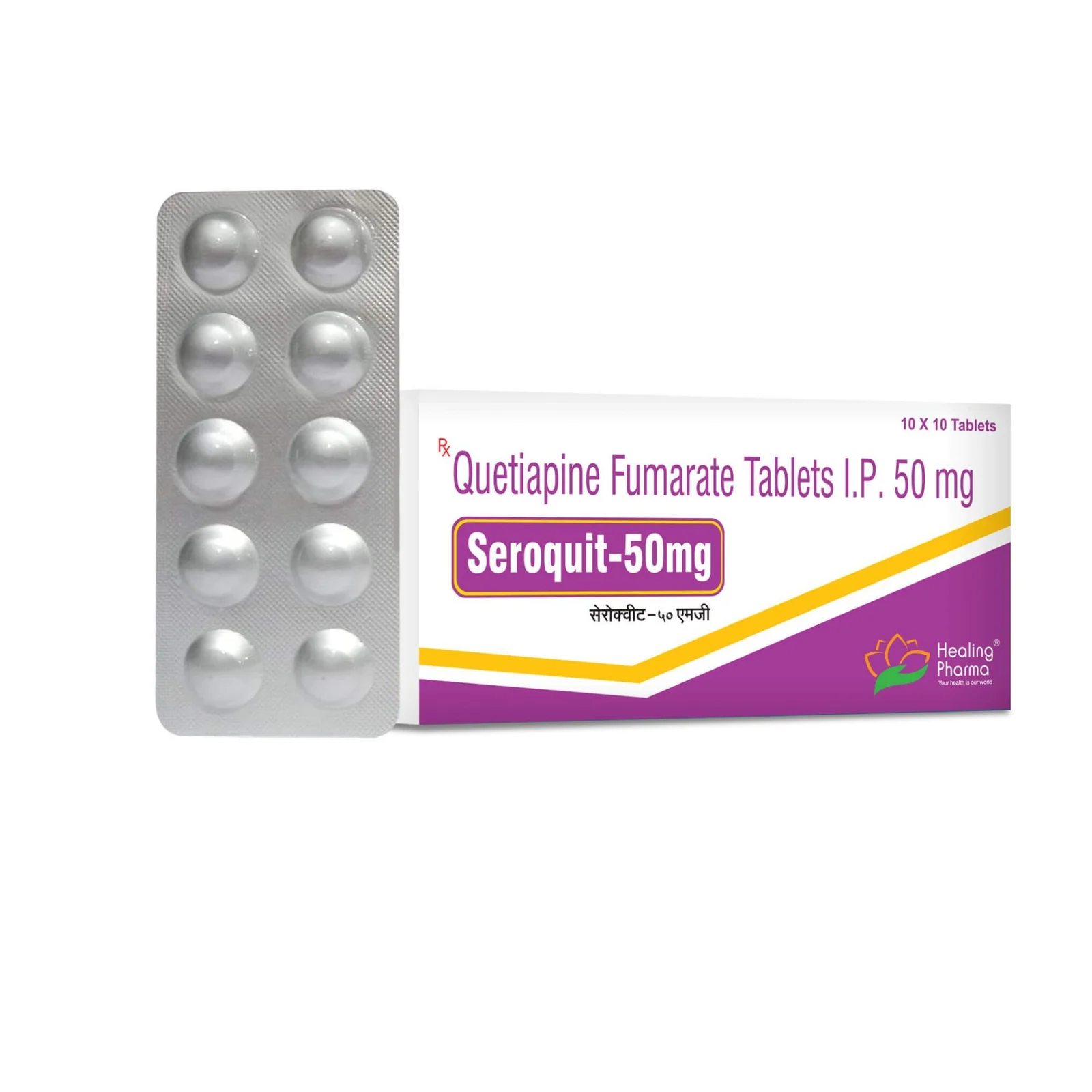
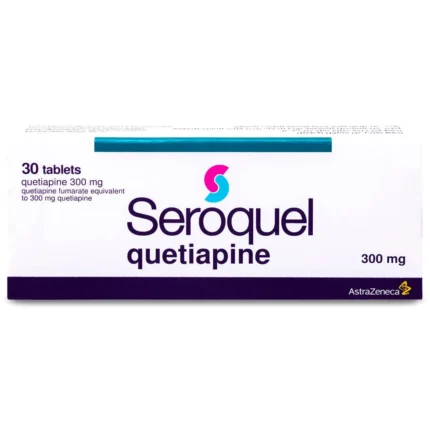
Seroquel 50 mg
Price range: $200.00 through $400.00
| Quantity Value | Price | Price/Unit | Quantity | Add To Cart |
|---|---|---|---|---|
| 100 Tablet S | $200.00 | $2.00 / Piece |

|
|
| 200 Tablets | $400.00 | $2.00 / Piece |
|
SKU : N/A
Category : Other
Seroquel 50 mg
Seroquel 50 mg contains quetiapine, a prescription medicine belonging to a class of medicines known as atypical antipsychotics. It is used to treat several psychiatric conditions, including schizophrenia and bipolar disorder, and in some treatment plans it is used alongside antidepressants for major depressive disorder.
Quetiapine affects several chemical messengers in the brain, particularly dopamine and serotonin. By influencing these neurotransmitter systems, it can help improve symptoms such as hallucinations, delusions, severe mood changes, agitation, and disturbances in thinking.
Seroquel is available in different strengths and formulations. The appropriate strength, dosage, and treatment duration depend on the condition being treated and the patient’s response.
Uses of Seroquel 50 mg
Seroquel may be prescribed for:
- Schizophrenia, helping reduce psychotic symptoms such as hallucinations, delusions, and disorganized thinking
- Bipolar disorder, including manic episodes and depressive episodes
- Maintenance treatment of bipolar disorder in appropriate patients
- Major depressive disorder as an adjunct to antidepressant therapy in selected adults
The 50 mg strength may be used as part of a gradual dose adjustment or as an individualized maintenance dose. The appropriate dose is determined by a healthcare professional.
Quetiapine should not be used simply for ordinary stress, occasional sleeplessness, or anxiety unless specifically prescribed for a recognized medical indication.
How Seroquel Works
Quetiapine affects multiple neurotransmitter receptors in the central nervous system. Its antipsychotic effects are primarily associated with activity at dopamine D2 and serotonin 5-HT2A receptors.
By modifying dopamine signaling, quetiapine can reduce excessive dopamine activity associated with psychotic symptoms. Its effects on serotonin receptors also contribute to its mood-related and antipsychotic effects.
Quetiapine additionally interacts with histamine and adrenergic receptors. These actions can contribute to effects such as sleepiness, increased appetite, and changes in blood pressure.
How to Take Seroquel 50 mg
Take Seroquel exactly as prescribed. Depending on the formulation and condition being treated, quetiapine may be taken once or more than once daily.
The immediate-release form may be taken with or without food. If you are using an extended-release formulation, follow the specific instructions supplied with that product.
Swallow tablets as directed. Do not alter or crush extended-release tablets unless your healthcare professional specifically instructs you to do so.
If you miss a dose, take it when remembered unless it is nearly time for the next dose. Do not take two doses together.
Quetiapine should generally be reduced gradually rather than stopped suddenly, particularly after prolonged treatment, because abrupt discontinuation may cause withdrawal-like symptoms and a return or worsening of psychiatric symptoms.
Common Side Effects
Possible side effects of Seroquel include:
- Drowsiness or sleepiness
- Dizziness
- Dry mouth
- Headache
- Constipation
- Increased appetite
- Weight gain
- Fatigue
- Changes in blood pressure
- Increased heart rate
Sleepiness and dizziness can be particularly noticeable when treatment is first started or when the dose is increased.
Quetiapine can cause metabolic changes, including increases in blood glucose, cholesterol, and triglycerides. Long-term treatment may therefore require monitoring of weight, blood pressure, blood glucose, and lipid levels.
Important Precautions and Warnings
Seroquel can cause drowsiness and impaired alertness. Avoid driving, cycling, or operating machinery until you know how the medicine affects you.
It may also cause dizziness or a drop in blood pressure when standing up, particularly during initial treatment. Rising slowly from a sitting or lying position can help reduce this problem.
Tell your doctor if you have:
- Diabetes or a family history of diabetes
- Heart disease or abnormal heart rhythm
- Low blood pressure
- Liver disease
- Seizures
- Cataracts
- A history of blood clots
- A history of sleep apnea or significant breathing problems
Older adults with dementia-related psychosis have an increased risk of death and cerebrovascular events when treated with antipsychotic medicines. Quetiapine is not approved for treating dementia-related psychosis.
Seek urgent medical attention for severe muscle stiffness, fever, confusion, fainting, seizures, uncontrolled movements, or symptoms of a serious allergic reaction.
Drug and Substance Interactions
Quetiapine can interact with many medicines. Strong inhibitors or inducers of the liver enzyme CYP3A4 can substantially alter quetiapine concentrations.
Tell your healthcare professional if you take medicines for infections, seizures, HIV, depression, heart conditions, or other psychiatric disorders.
Alcohol can increase quetiapine-related drowsiness and impairment and is generally best avoided.
Do not combine Seroquel with other sedating medicines unless your doctor has specifically advised this combination.
Pregnancy and Breastfeeding
If you are pregnant, planning pregnancy, or breastfeeding, discuss quetiapine treatment with your healthcare professional. The decision to continue or start treatment should balance the potential benefits against possible risks to the mother and baby.
Do not stop psychiatric medication abruptly because of pregnancy without professional guidance.
Storage
Store Seroquel 50 mg at room temperature, away from excessive heat and moisture. Keep the tablets in their original packaging and out of reach of children.
Do not use the medicine after its expiration date.
Conclusion
Seroquel 50 mg (quetiapine) is an atypical antipsychotic used in the treatment of schizophrenia, bipolar disorder, and, in selected circumstances, major depressive disorder as an add-on treatment. It works by influencing dopamine and serotonin signaling in the brain.
Because quetiapine can cause drowsiness, weight gain, metabolic changes, and blood-pressure effects, regular medical monitoring is important. The appropriate dose varies considerably between conditions and individuals, so the 50 mg tablet should be taken only according to the prescribed treatment plan.
Patients should not stop quetiapine suddenly without medical advice and should promptly report severe or unusual symptoms to their healthcare professional.
| Pack Size |
100 Tablet/s ,200 Tablets |
|---|
Related products





Seroflo Ciphaler 250 mcg
Seroflo Ciphaler 250 mcg is a metered-dose inhaler containing salmeterol and fluticasone propionate. It is prepared and handled following standard quality and packaging practices to ensure consistency and reliability.
This product is intended for use under the supervision of a qualified healthcare professional. Usage and administration may vary depending on individual requirements and regional guidelines.