
Lasix 100 mg
Price range: $330.00 through $620.00
| Quantity Value | Price | Price/Unit | Quantity | Add To Cart |
|---|---|---|---|---|
| 100 Tablet S | $330.00 | $3.30 / Piece |

|
|
| 200 Tablets | $620.00 | $3.10 / Piece |
|
SKU : N/A
Category : Other
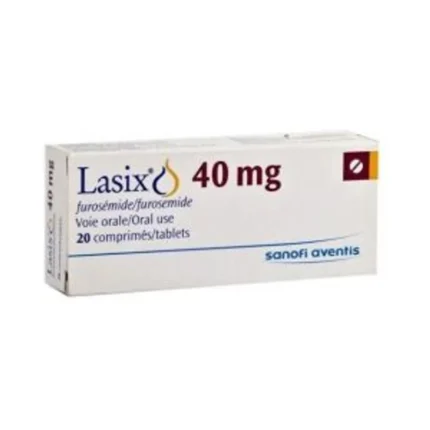
Lasix 100 mg
Lasix 100 mg contains furosemide, a potent loop diuretic commonly called a “water pill.” It works by helping the kidneys remove excess sodium and water from the body through urine. This reduces fluid accumulation and can relieve swelling associated with certain heart, kidney, and liver conditions.
Because 100 mg is a relatively high oral strength, it is generally used when lower doses do not provide sufficient diuretic effect or when substantial fluid retention requires more intensive treatment. The appropriate dose varies considerably between patients and should be determined by a healthcare professional.
Uses of Lasix 100 mg
Lasix may be prescribed to manage edema (fluid retention) associated with:
- Congestive heart failure
- Kidney disorders, including some cases of nephrotic syndrome
- Liver disease with fluid accumulation
- Other medical conditions causing significant fluid overload
Furosemide may also be used for hypertension in selected patients, although other medicines are commonly preferred for routine blood-pressure treatment.
The 100 mg strength does not mean that every patient should take 100 mg at once. Doctors adjust the dose according to the severity of fluid retention, response to treatment, kidney function, and other medicines.
How Lasix 100 mg Works
Furosemide acts primarily in the thick ascending limb of the loop of Henle, a part of the kidney responsible for reabsorbing sodium and chloride.
It inhibits the sodium-potassium-chloride cotransporter, reducing the reabsorption of these electrolytes. More sodium and water consequently remain in the urine and are eliminated from the body.
This strong diuretic action decreases excess fluid in tissues and, when appropriate, can reduce congestion associated with heart failure.
How to Take Lasix 100 mg
Take Lasix exactly according to your prescription. The dosing schedule depends on the condition being treated and your response to therapy.
Because furosemide can produce considerable urine output, doses are often taken earlier in the day to minimize nighttime urination. If more than one dose is prescribed, your doctor will determine the appropriate timing.
Lasix can generally be taken with or without food. Take it consistently and swallow the tablet with water.
Do not take an additional dose because you believe you have gained fluid weight or developed more swelling unless your healthcare professional has specifically provided instructions for doing so.
Common Side Effects
Because of its strong diuretic action, common effects can include:
- Frequent urination
- Increased thirst
- Dizziness or light-headedness
- Dehydration
- Low blood pressure
- Weakness or fatigue
- Muscle cramps
These effects can become more pronounced with higher doses.
Electrolyte and Fluid Monitoring
High-dose furosemide can cause substantial losses of potassium, sodium, magnesium, calcium, and water.
Electrolyte disturbances may cause:
- Muscle cramps or weakness
- Excessive fatigue
- Confusion
- Increased thirst
- Irregular heartbeat
- Severe dizziness or fainting
Your healthcare professional may periodically monitor blood pressure, kidney function, electrolytes, and body weight during treatment.
Do not start potassium supplements or potassium-containing salt substitutes without medical advice. Some patients require potassium supplementation, while others may have medical conditions or take medicines that make additional potassium inappropriate.
Serious Side Effects
Seek urgent medical attention if you develop severe dehydration, fainting, profound weakness, confusion, a significant decrease in urine production, or symptoms of an abnormal heartbeat.
Furosemide can rarely cause hearing impairment or ringing in the ears, particularly with high doses, rapid administration, kidney impairment, or certain interacting medicines. Report new hearing symptoms promptly.
It may also increase blood uric acid levels and potentially trigger gout in susceptible individuals.
Precautions
Tell your doctor if you have:
- Kidney disease
- Liver disease or cirrhosis
- Low blood pressure
- Existing electrolyte abnormalities
- Gout
- Diabetes
- Difficulty passing urine
- A history of severe dehydration
Patients with significant liver disease require careful monitoring because major electrolyte disturbances can have serious consequences.
Older adults may be particularly susceptible to dehydration and low blood pressure.
Drug Interactions
Lasix can interact with many medicines. Important examples include:
- Digoxin – low potassium caused by furosemide can increase the risk of digoxin-related toxicity.
- Lithium – furosemide may increase lithium concentrations and toxicity risk.
- NSAIDs, such as ibuprofen and naproxen – may reduce the diuretic effect and increase kidney-related risks in susceptible patients.
- ACE inhibitors and ARBs – may increase the likelihood of low blood pressure or kidney-function changes.
- Aminoglycoside antibiotics – may increase the risk of kidney or hearing toxicity.
- Other diuretics and blood-pressure medicines – may intensify fluid loss or hypotension.
Always provide your doctor or pharmacist with a complete list of prescription medicines, over-the-counter products, vitamins, and supplements.
Pregnancy and Breastfeeding
Furosemide should be used during pregnancy only when medically indicated and under professional supervision. It is not routinely recommended simply for normal swelling during pregnancy.
Furosemide may reduce milk production and can pass into breast milk. Breastfeeding patients should discuss treatment with their healthcare professional.
Storage
Store Lasix 100 mg at room temperature in a dry place, protected from excessive heat and moisture. Keep the medicine away from children and use it before the expiry date.
Conclusion
Lasix 100 mg (furosemide) is a strong loop diuretic used primarily to manage significant fluid retention associated with heart, kidney, and liver conditions. Because the 100 mg strength can produce substantial fluid and electrolyte losses, it requires careful individualized dosing and monitoring. Take it exactly as prescribed and seek medical attention for severe dizziness, fainting, extreme weakness, reduced urine output, significant electrolyte-related symptoms, or hearing changes.
| Pack Size |
100 Tablet/s ,200 Tablets |
|---|