
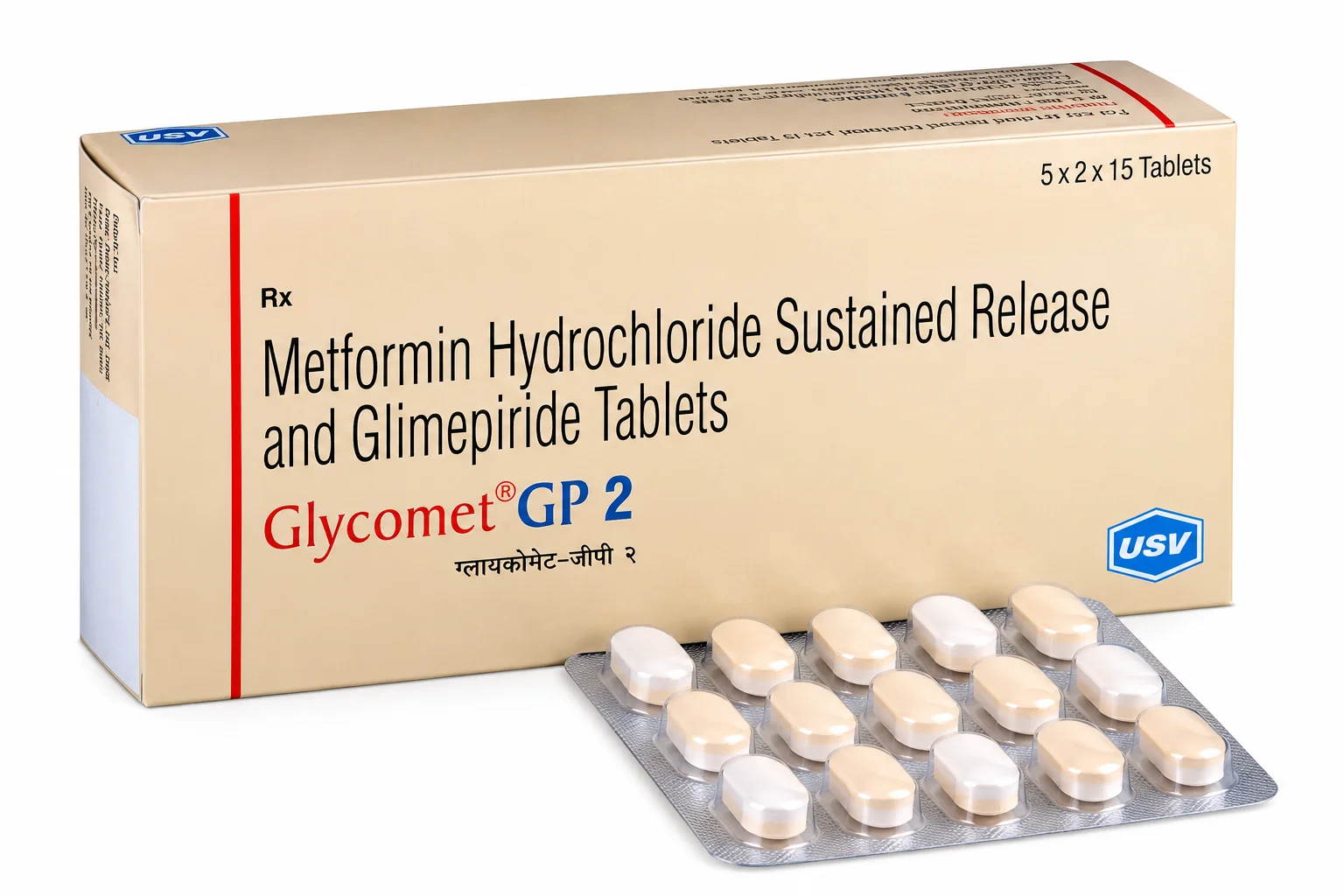


Glimepiride 2 mg+ Metformin 500 mg
Price range: $60.00 through $113.00
| Quantity Value | Price | Price/Unit | Quantity | Add To Cart |
|---|---|---|---|---|
| 100 Tablet S | $60.00 | $0.60 / Piece |

|
|
| 200 Tablets | $113.00 | $0.57 / Piece |
|
SKU : N/A
Category : Other
Glimepiride 2 mg + Metformin 500 mg
Glimepiride 2 mg + Metformin 500 mg is a combination oral antidiabetic medicine used to improve blood-glucose control in people with type 2 diabetes mellitus when diet, exercise, or treatment with a single medicine does not provide adequate control.
It combines glimepiride, a sulfonylurea that increases insulin release, with metformin, a biguanide that reduces glucose production by the liver and improves insulin sensitivity. By acting through different mechanisms, the combination can provide more effective glucose control than either medicine alone in appropriately selected patients.
Uses
Glimepiride 2 mg + Metformin 500 mg may be prescribed for:
- Type 2 diabetes mellitus
- Patients whose blood glucose remains inadequately controlled with metformin or another single antidiabetic medicine
- Improving fasting and post-meal blood-glucose levels
- Patients who require combination therapy to achieve individualized blood-sugar targets
The medicine should be used together with a balanced diet, regular physical activity, weight management, and routine diabetes monitoring.
It is not used to treat type 1 diabetes or diabetic ketoacidosis.
How It Works
Glimepiride
Glimepiride stimulates the beta cells of the pancreas to release insulin. Insulin allows glucose to move from the bloodstream into body tissues, lowering blood glucose.
Because glimepiride increases insulin secretion, it can cause hypoglycemia (low blood sugar), especially when meals are skipped, food intake is inadequate, alcohol is consumed, or the dose is higher than required.
Metformin
Metformin mainly reduces glucose production by the liver and improves the body’s response to insulin. It also has a smaller effect on intestinal glucose absorption.
Metformin alone generally has a low risk of hypoglycemia, but combining it with glimepiride increases the overall risk.
How to Take
Take this medicine exactly as prescribed by your doctor. It is generally taken with or immediately after a meal to improve tolerance and reduce the risk of glimepiride-related hypoglycemia.
Swallow the tablet with water and take it consistently at approximately the same time each day.
Do not skip meals after taking a glimepiride-containing medicine. If you miss a dose, follow your healthcare professional’s instructions and do not take an extra dose to compensate.
The appropriate dose depends on your blood-glucose levels, kidney and liver function, age, diet, treatment response, and other medicines. Do not increase or decrease the dose without medical advice.
Common Side Effects
Possible side effects include:
- Nausea
- Diarrhea
- Abdominal discomfort
- Bloating or gas
- Headache
- Dizziness
- Increased appetite
- Weight gain
Digestive symptoms are particularly common with metformin and often improve as the body adjusts to treatment.
Hypoglycemia
Low blood sugar is an important potential side effect, mainly because of glimepiride.
Symptoms can include:
- Sweating
- Shaking
- Hunger
- Fast heartbeat
- Dizziness
- Weakness
- Headache
- Irritability
- Confusion
- Blurred vision
- Difficulty concentrating
If you are conscious and experience symptoms of low blood sugar, promptly consume a rapidly absorbed source of glucose according to your diabetes-management plan. If possible, check your blood glucose and follow the instructions provided by your healthcare professional.
Severe hypoglycemia can cause seizures, loss of consciousness, and other medical emergencies.
The risk can increase with skipped meals, excessive exercise without adequate food intake, alcohol consumption, kidney or liver impairment, and certain interacting medicines.
Lactic Acidosis
Metformin has a rare but potentially serious complication called lactic acidosis, in which lactic acid accumulates in the blood.
The risk is higher in people with significant kidney impairment and certain serious illnesses. Seek urgent medical attention for severe weakness, unusual sleepiness, difficulty breathing, persistent vomiting, severe abdominal discomfort, muscle pain, or feeling unusually cold.
Kidney function should be assessed before treatment and monitored periodically.
Vitamin B12 Deficiency
Long-term metformin treatment can reduce vitamin B12 levels in some patients. Your doctor may recommend periodic testing, especially during prolonged treatment or if you develop anemia, persistent fatigue, numbness, or tingling.
Precautions
Tell your doctor before taking this combination if you have:
- Kidney disease
- Liver disease
- Heart failure or significant heart disease
- A history of severe hypoglycemia
- Adrenal or pituitary disorders
- Heavy alcohol consumption
- Severe infection or dehydration
- Poor nutritional intake
- G6PD deficiency
Older adults may be more sensitive to hypoglycemia and may require careful dose selection and monitoring.
Avoid excessive alcohol because it can increase the risk of hypoglycemia from glimepiride and may increase the risk of lactic acidosis associated with metformin.
Drug Interactions
This combination may interact with medicines that affect blood glucose or alter the effects of glimepiride or metformin. Examples include:
- Insulin and other antidiabetic medicines
- Beta-blockers, which can mask some symptoms of hypoglycemia
- Corticosteroids, which may increase blood glucose
- Certain diuretics
- Some ACE inhibitors and other medicines that can affect glucose control
- Alcohol
- Warfarin and certain other medicines that may interact with glimepiride
- Iodinated contrast agents used for certain imaging procedures
Always tell your doctor or pharmacist about all prescription medicines, over-the-counter medicines, vitamins, and herbal supplements you use.
Kidney Function and Contrast Procedures
Metformin is eliminated mainly through the kidneys. Significant kidney impairment may require dose adjustment or make metformin-containing treatment unsuitable.
If you are scheduled for a procedure involving iodinated contrast material, inform your doctor or radiology team that you take metformin. Depending on your kidney function and the procedure, temporary interruption may be necessary.
Contact your healthcare professional if you develop severe dehydration, prolonged vomiting or diarrhea, or a serious infection, as metformin may need to be temporarily withheld in some acute situations.
Pregnancy and Breastfeeding
Glimepiride-containing treatment is generally not preferred during pregnancy. If you are pregnant or planning pregnancy, consult your doctor about the safest approach to controlling blood glucose.
Both medicines can pass into breast milk. Breastfeeding patients should discuss treatment with their healthcare professional, particularly because sulfonylureas may potentially cause low blood sugar in a breastfed infant.
Monitoring During Treatment
Your doctor may regularly monitor:
- Fasting and post-meal blood glucose
- HbA1c
- Kidney function
- Liver function when appropriate
- Body weight
- Episodes of hypoglycemia
- Vitamin B12 during long-term metformin treatment when clinically indicated
Regular meals, physical activity, and appropriate dietary management remain important parts of diabetes treatment.
Storage
Store the tablets at room temperature, protected from excessive heat and moisture. Keep the medicine in its original packaging and out of reach of children. Do not use it after the expiry date.
Conclusion
Glimepiride 2 mg + Metformin 500 mg combines two complementary medicines for the management of type 2 diabetes. Glimepiride increases insulin release from the pancreas, while metformin reduces glucose production by the liver and improves insulin sensitivity.
The principal safety concern is hypoglycemia, particularly if meals are skipped or the medicine is combined with other glucose-lowering treatments. Long-term metformin use can also contribute to vitamin B12 deficiency, while significant kidney impairment increases the risk of the rare complication of lactic acidosis.
Take the medicine with meals and exactly as prescribed, maintain regular blood-glucose monitoring, and do not change the dose without medical advice.
| Pack Size |
100 Tablet/s ,200 Tablets |
|---|