

Blog
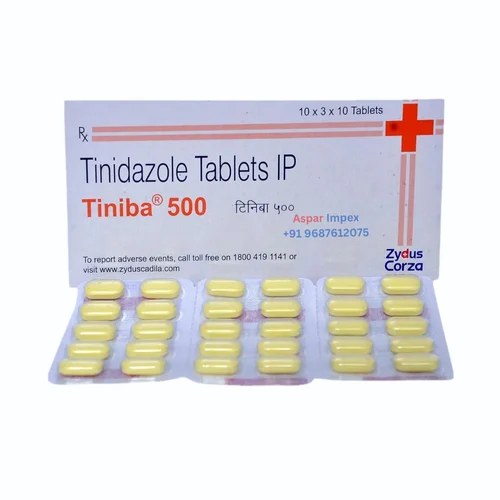
Tinidazole 500 mg: Uses, Benefits, Dosage, Side Effects & Complete Guide

- Written By : dharmik dharmik
- Published on : December 10, 2025
- Last updated on : December 10, 2025
Tinidazole 500 mg is a widely prescribed antibiotic and antiprotozoal medication used to treat various infections caused by bacteria and parasites. Belonging to the nitroimidazole class, Tinidazole works by preventing the growth and survival of harmful microorganisms. It is commonly recommended for bacterial vaginosis, trichomoniasis, giardiasis, amoebiasis, and certain anaerobic bacterial infections.
If you’re looking for a detailed, accurate, and SEO-friendly guide on Tinidazole 500 mg, this article covers everything including its uses, dosage instructions, benefits, side effects, precautions, and FAQs.
What Is Tinidazole 500 mg?
Tinidazole 500 mg is an FDA-approved antiprotozoal and antibacterial medicine used to treat infections caused by:
- Anaerobic bacteria
- Protozoa (parasitic organisms)
- Certain sexually transmitted pathogens
It works by damaging the DNA of harmful microorganisms, stopping them from multiplying and eventually killing them. Tinidazole is similar to Metronidazole but often preferred due to its longer half-life and fewer gastrointestinal side effects.
Key Uses of Tinidazole 500 mg
Tinidazole 500 mg is prescribed for several infections. Some of the most common medical uses include:
1. Bacterial Vaginosis
Tinidazole helps restore the natural vaginal bacterial balance by eliminating anaerobic bacteria responsible for the infection. It is often given as a single dose or a 2-day course.
2. Trichomoniasis
A sexually transmitted parasitic infection caused by Trichomonas vaginalis.
Tinidazole is highly effective and often preferred due to better tolerance.
3. Giardiasis
An intestinal infection caused by Giardia lamblia.
Tinidazole works quickly to eliminate the parasite in a single-dose treatment.
4. Amebiasis (Amoebiasis)
Caused by Entamoeba histolytica, it affects the intestines and sometimes the liver. Tinidazole is used to treat both intestinal amoebiasis and amoebic liver abscess.
5. Anaerobic Bacterial Infections
Including infections of the:
- Abdomen
- Skin
- Bones
- Joints
- Reproductive organs
Tinidazole fights bacteria that thrive without oxygen.
How Tinidazole 500 mg Works
Tinidazole enters the bloodstream and targets the DNA of harmful organisms, causing:
- DNA strand breakage
- Inhibition of protein synthesis
- Cell death and infection resolution
Its long half-life (12–14 hours) allows for once-daily dosing, making it more convenient than some alternatives.
Tinidazole 500 mg Dosage
Always take Tinidazole exactly as prescribed by your doctor.
The common dosage guidelines include:
For Bacterial Vaginosis
- 2 g (4 tablets of 500 mg) taken once, OR
- 1 g daily for 5 days
For Trichomoniasis
- 2 g single dose
For Giardiasis
- 2 g once (single dose)
For Amoebiasis
- 2 g once daily for 3 days
- For liver abscess: also typically 3 days
For Anaerobic Infections
- 600–800 mg per day, taken in divided doses
Benefits of Tinidazole 500 mg
Tinidazole is widely preferred due to its key advantages:
✔ Fast-Acting
Most infections improve within 24–48 hours of starting treatment.
✔ Single-Dose Convenience
For many conditions, only one dose is required.
✔ Better Tolerance
Tinidazole generally causes fewer digestive side effects compared to similar drugs.
✔ High Cure Rate
It provides excellent activity against protozoa and anaerobic bacteria.
✔ Long-Lasting Effect
Its extended half-life ensures effective infection control.
Side Effects of Tinidazole 500 mg
Like any medication, Tinidazole may cause some side effects. Most are mild and temporary.
Common Side Effects
- Nausea or upset stomach
- Metallic taste
- Headache
- Fatigue
- Dizziness
Less Common Side Effects
- Vomiting
- Diarrhea
- Loss of appetite
- Skin rash
Rare but Serious Side Effects
Seek immediate medical help if you experience:
- Severe allergic reactions
- Numbness or tingling in limbs
- Seizures
- Persistent vomiting
Warnings & Precautions
Alcohol Warning
Avoid alcohol during Tinidazole use and for 72 hours after the last dose to prevent:
- Flushing
- Nausea
- Vomiting
- Rapid heartbeat
- Headaches
Pregnancy & Breastfeeding
- Avoid use during the first trimester.
- Consult your doctor if breastfeeding — Tinidazole can pass into breast milk.
Liver Disease
Inform your doctor about any liver-related issues.
Drug Interactions
Tinidazole can interact with:
- Blood thinners
- Lithium
- Certain antifungal medications
- Immunosuppressants
Always mention all medicines or supplements you use.
Tips for Taking Tinidazole 500 mg Safely
- Take with food to avoid nausea
- Do not skip doses
- Complete the full course, even if symptoms improve
- Avoid alcohol completely
- Store in a cool, dry place
Who Should Avoid Tinidazole?
Tinidazole is not recommended for individuals who have:
- Hypersensitivity to nitroimidazole drugs
- Severe liver disease
- Blood disorders
- Pregnancy (first trimester)
FAQs
1. How long does Tinidazole take to work?
Most people begin feeling improvement in 1–2 days.
2. Can I take Tinidazole with alcohol?
No. Avoid alcohol during treatment and for 72 hours afterward.
3. Is Tinidazole safe?
Yes, when taken under medical supervision.
4. Can Tinidazole treat yeast infections?
No, it is not effective for fungal infections.
5. Can I take Tinidazole on an empty stomach?
It’s better to take it with food to prevent stomach upset.
6. Is Tinidazole used for STDs?
Yes — it treats trichomoniasis, a common sexually transmitted infection.
7. What happens if I miss a dose?
Take it as soon as you remember. Skip if it’s almost time for the next dose.
Do not double the dose.
Conclusion
Tinidazole 500 mg is a powerful and effective medication for treating a range of infections caused by anaerobic bacteria and protozoa. Its fast action, high success rate, and single-dose convenience make it a preferred treatment for many patients. However, it should always be used under medical guidance, and patients must follow precautions—especially avoiding alcohol.
If you are experiencing symptoms of bacterial vaginosis, trichomoniasis, or parasitic infections, consult a healthcare professional to determine whether Tinidazole 500 mg is the right treatment for you.
Table of Contents
Product categories
- AMOXICILLIN
- AZITHROMYCIN
- Cancer
- Cephalexin
- Ciprofloxacin
- CLENBUTEROL
- Colchicine
- Doxycycline
- Erectile Dysfunction
- FENBENDAZOLE & MEBENDAZONE
- Fluconazole
- Fluvoxamine
- Gabapentin
- General
- Generic Paxlovid
- Hdroxychloroquine
- Hormonal
- Infection
- Inhaler & Respules
- Ivermectin
- Low And High Dose Naltrexone
- Metronidazole
- OLANZAPINE & MIRTAZAPINE
- Other
- Pirfenidone
- PREDNISONE
- Psychiatric Medicine
- Skin Care
- Testosterone
- Thyroid
- Viral Care
- VITAMIN B12 & VITAMIN D3
- Weight Loss & Diabetic