

Blog
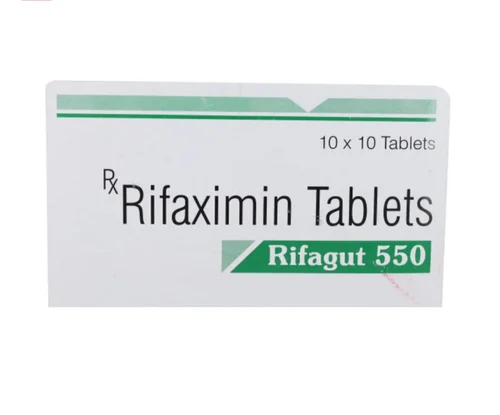
Rifaximin 550 mg: Uses, Benefits, Dosage, and Safety Information

- Written By : dharmik dharmik
- Published on : December 17, 2025
- Last updated on : December 17, 2025
Rifaximin 550 mg is a widely prescribed antibiotic that plays an important role in treating specific gastrointestinal and liver-related conditions. Unlike many traditional antibiotics that are absorbed into the bloodstream, rifaximin works mainly within the intestines. This targeted action makes it effective for certain digestive disorders while reducing the risk of systemic side effects.
In this blog, we will explore what rifaximin 550 mg is, how it works, its medical uses, dosage guidelines, potential side effects, precautions, and frequently asked questions. The information provided is educational and based on realistic clinical use.
What Is Rifaximin 550 mg?
Rifaximin is a semi-synthetic antibiotic derived from rifamycin. The 550 mg strength is commonly prescribed for adults and is primarily used to treat gastrointestinal conditions caused by bacteria in the gut. It is known for having minimal absorption into the bloodstream, which means it acts locally in the intestines rather than affecting the entire body.
This unique characteristic helps rifaximin maintain a favorable safety profile while effectively reducing harmful bacteria in the digestive tract.
How Does Rifaximin Work?
Rifaximin works by inhibiting bacterial RNA synthesis. It binds to bacterial RNA polymerase, an enzyme necessary for bacterial growth and replication. By blocking this process, rifaximin prevents bacteria from multiplying and helps reduce bacterial overgrowth in the intestines.
Because rifaximin stays mostly within the gastrointestinal tract, it does not significantly disturb beneficial bacteria in other parts of the body. This makes it particularly useful for conditions where localized bacterial control is required.
Medical Uses of Rifaximin 550 mg
Rifaximin 550 mg is approved and commonly used for the following medical conditions:
1. Hepatic Encephalopathy
Hepatic encephalopathy is a serious condition that occurs in patients with chronic liver disease. It happens when toxins such as ammonia build up in the blood and affect brain function.
Rifaximin 550 mg helps reduce the production of ammonia by decreasing harmful gut bacteria. It is often used as long-term therapy to prevent recurrent episodes of hepatic encephalopathy.
2. Irritable Bowel Syndrome with Diarrhea (IBS-D)
Rifaximin is used to manage symptoms of IBS-D, including frequent diarrhea, abdominal pain, bloating, and discomfort. It helps by altering the gut bacterial environment, which is believed to play a role in IBS symptoms.
Treatment is usually short-term, but some patients may benefit from repeat courses under medical supervision.
3. Traveler’s Diarrhea
Rifaximin is also effective in treating traveler’s diarrhea caused by non-invasive strains of Escherichia coli. It reduces the duration and severity of symptoms such as loose stools and abdominal cramps.
Dosage and Administration
The dosage of rifaximin 550 mg depends on the condition being treated:
- Hepatic encephalopathy:
550 mg taken twice daily, usually for long-term prevention - IBS-D:
550 mg taken three times daily for 14 days - Traveler’s diarrhea:
Lower strengths are often used, but dosing should always follow a doctor’s recommendation
Rifaximin can be taken with or without food. Tablets should be swallowed whole with water and not crushed or chewed.
Possible Side Effects
Rifaximin 550 mg is generally well tolerated. However, like all medications, it may cause side effects in some individuals.
Common Side Effects
- Nausea
- Abdominal pain
- Bloating
- Headache
- Fatigue
Less Common Side Effects
- Dizziness
- Constipation
- Swelling of hands or feet
Rare but Serious Effects
- Severe allergic reactions (rash, itching, swelling)
- Persistent diarrhea that worsens or contains blood
If any severe or unusual symptoms occur, medical attention should be sought immediately.
Precautions and Warnings
Before taking rifaximin 550 mg, patients should inform their healthcare provider about:
- Any known allergies to rifaximin or rifamycin antibiotics
- Liver disease severity
- Pregnancy or breastfeeding status
- Other medications currently being taken
Rifaximin should not be used to treat diarrhea accompanied by fever or blood in the stool unless directed by a healthcare professional.
Drug Interactions
Rifaximin has a low risk of drug interactions due to minimal systemic absorption. However, caution is advised when used alongside certain medications, especially those that affect liver enzymes.
Patients should always provide a complete medication list to their healthcare provider to avoid potential interactions.
Storage Instructions
- Store at room temperature
- Keep away from moisture and direct sunlight
- Keep out of reach of children
- Do not use expired medication
Benefits of Rifaximin 550 mg
- Acts locally in the gut
- Minimal systemic side effects
- Effective for chronic and recurrent conditions
- Generally well tolerated
- Suitable for long-term use in specific cases
Frequently Asked Questions (FAQ)
1. Is rifaximin 550 mg a strong antibiotic?
Rifaximin is effective but works differently from traditional antibiotics. It is considered targeted rather than broad-spectrum, focusing mainly on gut bacteria.
2. Can rifaximin be taken long-term?
Yes, rifaximin 550 mg is often prescribed long-term for preventing hepatic encephalopathy, under medical supervision.
3. Does rifaximin cause antibiotic resistance?
The risk of resistance is lower compared to many antibiotics, but it can still occur. Patients should use it only as prescribed.
4. Can rifaximin cure IBS permanently?
Rifaximin helps manage symptoms of IBS-D but does not cure the condition permanently. Some patients may need repeat treatment courses.
5. Is rifaximin safe for elderly patients?
Yes, rifaximin is generally safe for elderly patients when used according to medical advice.
6. Can I drink alcohol while taking rifaximin?
Alcohol is generally discouraged, especially for patients with liver disease. Consult your doctor for personalized advice.
Conclusion
Rifaximin 550 mg is a valuable medication for managing specific gastrointestinal and liver-related conditions. Its targeted action within the gut, combined with a favorable safety profile, makes it an effective choice for both short-term and long-term treatment when used responsibly.
As with any medication, rifaximin should only be taken under the guidance of a qualified healthcare professional. Proper dosage, adherence, and medical follow-up ensure the best outcomes and minimize potential risks.
Table of Contents
Product categories
- AMOXICILLIN
- AZITHROMYCIN
- Cancer
- Cephalexin
- Ciprofloxacin
- CLENBUTEROL
- Colchicine
- Doxycycline
- Erectile Dysfunction
- FENBENDAZOLE & MEBENDAZONE
- Fluconazole
- Fluvoxamine
- Gabapentin
- General
- Generic Paxlovid
- Hdroxychloroquine
- Hormonal
- Infection
- Inhaler & Respules
- Ivermectin
- Low And High Dose Naltrexone
- Metronidazole
- OLANZAPINE & MIRTAZAPINE
- Other
- Pirfenidone
- PREDNISONE
- Psychiatric Medicine
- Skin Care
- Testosterone
- Thyroid
- Viral Care
- VITAMIN B12 & VITAMIN D3
- Weight Loss & Diabetic