

Blog
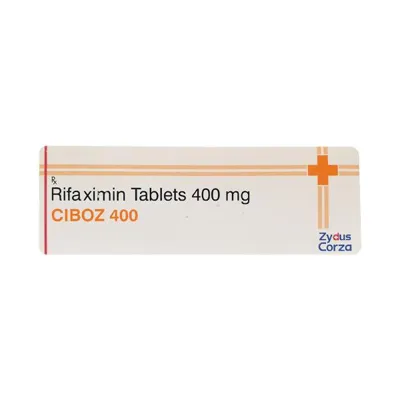
Rifaximin 400 mg: Uses, Benefits, Side Effects, Dosage & Complete Guide (2025)

- Written By : dharmik dharmik
- Published on : December 10, 2025
- Last updated on : December 10, 2025
Rifaximin 400 mg is a widely prescribed antibiotic known for its effectiveness in treating gastrointestinal bacterial infections. Unlike many oral antibiotics, Rifaximin stays mostly within the intestines and is minimally absorbed into the bloodstream. This makes it safer and reduces the risk of systemic side effects. It is commonly used for conditions such as traveler’s diarrhea, hepatic encephalopathy, and irritable bowel syndrome with diarrhea (IBS-D).
In this comprehensive guide, you will learn everything about Rifaximin 400 mg—its uses, dosage, benefits, side effects, safety warnings, and more. All information provided is medically accurate and SEO-friendly to help users find reliable and clear knowledge about this medication.
What Is Rifaximin 400 mg?
Rifaximin 400 mg is an oral antibiotic belonging to the rifamycin class. It works by inhibiting bacterial RNA synthesis, reducing harmful bacteria in the intestines. Its unique property is poor absorption, meaning it remains within the gut and acts locally without significantly entering the bloodstream.
This makes Rifaximin safer for long-term use in certain conditions under medical supervision.
How Does Rifaximin 400 mg Work?
Rifaximin targets and kills bacteria responsible for intestinal infections. It does so by:
- Blocking bacterial RNA synthesis
- Reducing ammonia-producing gut bacteria
- Improving intestinal flora balance
- Lowering inflammation in the digestive system
The medication does not work for viral infections and should only be used when prescribed by a healthcare provider.
Rifaximin 400 mg: Key Uses
1. Traveler’s Diarrhea (TD)
Rifaximin 400 mg is commonly used to treat traveler’s diarrhea caused by non-invasive strains of E. coli. It helps reduce symptoms such as:
- Loose stools
- Stomach cramps
- Abdominal discomfort
- Bloating
It works quickly and is well-tolerated.
2. Hepatic Encephalopathy (HE) Prevention
Patients with chronic liver disease often develop hepatic encephalopathy due to the buildup of toxins such as ammonia. Rifaximin helps by:
- Reducing ammonia-producing bacteria
- Lowering the risk of HE episodes
- Maintaining mental clarity
It is typically prescribed long-term along with lactulose.
3. IBS-D (Irritable Bowel Syndrome With Diarrhea)
Rifaximin 400 mg helps provide relief from:
- Frequent diarrhea
- Bloating
- Gas
- Abdominal pain
Many patients experience reduced symptoms even after finishing the treatment course because the medication helps restore gut bacterial balance.
4. Small Intestinal Bacterial Overgrowth (SIBO)
Though not FDA-approved for SIBO, Rifaximin is frequently used off-label. It helps:
- Reduce excessive bacteria in the small intestine
- Improve digestion
- Reduce bloating and discomfort
Always use it under medical supervision.
Rifaximin 400 mg Dosage Guide
Your dosage may vary depending on the condition being treated. The most common dosing recommendations include:
Traveler’s Diarrhea
- 400 mg three times daily for 3 days
Hepatic Encephalopathy
- 550 mg twice daily is FDA-approved
- Some physicians use 400 mg three times daily as an alternative
IBS-D
- Standard approved dosage: 550 mg three times daily for 14 days
- Some patients may require repeated courses
SIBO (Off-label)
- 400–550 mg three times daily for 10–14 days
Important: Never change your dosage without consulting your doctor.
Benefits of Rifaximin 400 mg
- Low systemic absorption reduces overall side effects
- Acts locally within the intestines
- Effective for multiple gastrointestinal conditions
- Safe for repeat dosing in IBS-D
- Helps improve digestive balance and reduce toxins
- Well-tolerated by most patients
- Fast symptom relief for traveler’s diarrhea
Its safety profile makes it one of the preferred antibiotics for intestinal disorders.
Side Effects of Rifaximin 400 mg
Rifaximin is generally safe, but like all medications, it may cause side effects. Common ones include:
- Nausea
- Headache
- Dizziness
- Fatigue
- Stomach pain
- Bloating or gas
- Constipation
Serious but rare side effects:
- Severe allergic reactions (rash, swelling, breathing issues)
- Persistent diarrhea (may indicate C. difficile infection)
- Liver-related issues in patients with pre-existing liver disease
Seek medical attention immediately for severe or persistent symptoms.
Precautions & Warnings
Before using Rifaximin 400 mg, inform your doctor if you have:
- Severe liver disease
- Kidney issues
- A history of antibiotic allergies
- Ongoing bloody diarrhea or fever
Pregnancy & breastfeeding:
There is limited safety data, so it should only be used when clearly needed and prescribed.
Alcohol:
There are no major interactions, but avoiding alcohol may help reduce digestive discomfort.
Drug Interactions
Rifaximin has fewer interactions because it is poorly absorbed, but possible interactions include:
- Cyclosporine
- Warfarin
- Other antibiotics
- Anticonvulsants
Always tell your doctor about all medications or supplements you take.
How to Take Rifaximin 400 mg Correctly
To get the best results:
- Take with or without food
- Swallow tablets whole
- Complete the full course even if symptoms improve
- Store in a cool, dry place
Do not take extra doses if you miss one. Simply continue with the next scheduled dose.
Who Should Not Use Rifaximin 400 mg?
Avoid using Rifaximin if you:
- Are allergic to rifamycin antibiotics
- Have diarrhea accompanied by high fever or blood
- Have severe liver impairment unless monitored closely
Is Rifaximin 400 mg Effective?
Yes, clinical studies show it is:
- Highly effective for traveler’s diarrhea
- Proven to reduce recurrence of hepatic encephalopathy
- FDA-approved for IBS-D
- Helpful in SIBO management
Because it targets the gut directly, it works faster and safer than many systemic antibiotics.
Is Rifaximin 400 mg Effective?
Yes, clinical studies show it is:
- Highly effective for traveler’s diarrhea
- Proven to reduce recurrence of hepatic encephalopathy
- FDA-approved for IBS-D
- Helpful in SIBO management
Because it targets the gut directly, it works faster and safer than many systemic antibiotics.
Conclusion
Rifaximin 400 mg is a powerful and safe antibiotic designed specifically for intestinal infections and digestive disorders. Its minimal absorption and excellent tolerability make it ideal for conditions like traveler’s diarrhea, hepatic encephalopathy, IBS-D, and SIBO. However, it should always be taken under medical guidance to ensure safety and effectiveness.
Table of Contents
Product categories
- AMOXICILLIN
- AZITHROMYCIN
- Cancer
- Cephalexin
- Ciprofloxacin
- CLENBUTEROL
- Colchicine
- Doxycycline
- Erectile Dysfunction
- FENBENDAZOLE & MEBENDAZONE
- Fluconazole
- Fluvoxamine
- Gabapentin
- General
- Generic Paxlovid
- Hdroxychloroquine
- Hormonal
- Infection
- Inhaler & Respules
- Ivermectin
- Low And High Dose Naltrexone
- Metronidazole
- OLANZAPINE & MIRTAZAPINE
- Other
- Pirfenidone
- PREDNISONE
- Psychiatric Medicine
- Skin Care
- Testosterone
- Thyroid
- Viral Care
- VITAMIN B12 & VITAMIN D3
- Weight Loss & Diabetic