

Blog
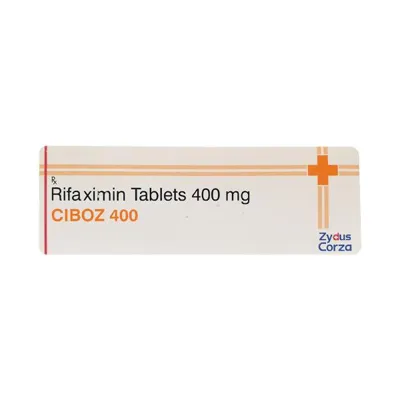
Rifaximin 400 mg: Uses, Benefits, Dosage, Side Effects, and Important Information

- Written By : dharmik dharmik
- Published on : December 16, 2025
- Last updated on : December 16, 2025
Rifaximin 400 mg is a widely prescribed antibiotic medicine that plays an important role in the treatment of certain bacterial infections, especially those related to the digestive system. Unlike many other antibiotics, Rifaximin works mainly inside the gut and has minimal absorption into the bloodstream. This unique feature makes it highly effective while reducing the risk of widespread side effects.
In this blog, we will discuss Rifaximin 400 mg in detail, including how it works, its medical uses, dosage guidelines, possible side effects, precautions, and frequently asked questions.
What Is Rifaximin 400 mg?
Rifaximin 400 mg is an oral antibiotic belonging to the rifamycin group of medicines. It is designed to target harmful bacteria present in the gastrointestinal tract. Because it stays mostly within the intestines, it acts directly where the infection exists, without significantly affecting the rest of the body.
This localized action makes Rifaximin a preferred choice for conditions involving bacterial overgrowth or infection in the intestines.
How Rifaximin 400 mg Works
Rifaximin works by stopping the growth of bacteria. It does this by interfering with bacterial RNA synthesis, which is essential for bacterial survival and multiplication. As a result, harmful bacteria are eliminated, allowing the gut to restore its natural balance.
One of the key advantages of Rifaximin is that it does not disturb beneficial gut bacteria as aggressively as some broad-spectrum antibiotics. This helps reduce complications such as severe diarrhea or secondary infections.
Medical Uses of Rifaximin 400 mg
Rifaximin 400 mg is commonly prescribed for the following conditions:
1. Traveler’s Diarrhea
Rifaximin is effective in treating traveler’s diarrhea caused by certain strains of bacteria. It helps reduce the frequency of loose stools and shortens the duration of illness.
2. Irritable Bowel Syndrome with Diarrhea (IBS-D)
Doctors often recommend Rifaximin for patients suffering from IBS-D. It helps reduce symptoms such as abdominal pain, bloating, and frequent bowel movements.
3. Hepatic Encephalopathy
Rifaximin is used to prevent episodes of hepatic encephalopathy in patients with liver disease. It reduces the amount of toxins produced by gut bacteria, which can otherwise affect brain function.
4. Small Intestinal Bacterial Overgrowth (SIBO)
Rifaximin is frequently used to treat SIBO, a condition where excessive bacteria grow in the small intestine, leading to bloating, gas, and digestive discomfort.
Dosage and Administration
The dosage of Rifaximin 400 mg depends on the condition being treated and the patient’s medical history.
- Typical dosage: One tablet (400 mg) taken two to three times daily
- Duration: Usually prescribed for 7 to 14 days, depending on the condition
- Administration: Can be taken with or without food
- Swallow whole: Do not crush or chew the tablet
Always follow your doctor’s instructions. Do not stop the medicine early, even if symptoms improve, as this may lead to incomplete treatment.
Possible Side Effects of Rifaximin 400 mg
Most people tolerate Rifaximin well, but like all medications, it may cause side effects in some individuals.
Common Side Effects
- Nausea
- Abdominal pain
- Bloating
- Headache
- Mild diarrhea
Rare but Serious Side Effects
- Allergic reactions (rash, itching, swelling)
- Severe diarrhea that does not improve
- Fever or worsening abdominal pain
If you experience severe or unusual symptoms, seek medical attention immediately.
Precautions and Warnings
Before using Rifaximin 400 mg, inform your doctor if you:
- Have severe liver disease
- Are allergic to rifamycin antibiotics
- Are pregnant or breastfeeding
- Are taking other medications that may interact
Rifaximin is not effective against viral infections such as the common cold or flu. Using antibiotics unnecessarily can reduce their effectiveness over time.
Drug Interactions
Rifaximin has fewer drug interactions compared to many antibiotics, but it is still important to inform your healthcare provider about all medications, supplements, or herbal products you are taking.
Avoid self-medication and always consult a healthcare professional before starting or stopping treatment.
Storage Instructions
- Store at room temperature
- Keep away from moisture and direct sunlight
- Keep out of reach of children
- Do not use after the expiry date
Benefits of Rifaximin 400 mg
- Targeted action in the gut
- Lower risk of systemic side effects
- Effective for chronic digestive conditions
- Well-tolerated by most patients
- Minimal impact on healthy gut bacteria
These benefits make Rifaximin a reliable and commonly prescribed option for gastrointestinal infections.
Frequently Asked Questions (FAQ)
1. Is Rifaximin 400 mg safe for long-term use?
Rifaximin is generally safe when used as prescribed. In some conditions like hepatic encephalopathy, it may be used long-term under medical supervision.
2. Can I take Rifaximin 400 mg with food?
Yes, Rifaximin can be taken with or without food. Taking it with food may help reduce stomach discomfort.
3. Does Rifaximin cause antibiotic resistance?
Rifaximin has a lower risk of resistance compared to many antibiotics, especially when used appropriately and for the recommended duration.
4. Can Rifaximin treat all types of diarrhea?
No, Rifaximin is effective only for diarrhea caused by specific bacteria. It is not useful for viral or parasitic diarrhea.
5. How long does it take for Rifaximin to work?
Many patients notice improvement within a few days, but full benefits are usually seen after completing the entire course.
Conclusion
Rifaximin 400 mg is a highly effective and targeted antibiotic that offers significant benefits for people suffering from gastrointestinal bacterial infections. Its ability to work locally in the gut while minimizing systemic side effects makes it a preferred treatment option for conditions like traveler’s diarrhea, IBS-D, hepatic encephalopathy, and SIBO.
As with any medication, it should only be used under the guidance of a qualified healthcare professional. Proper dosage, adherence to treatment, and awareness of precautions can ensure safe and effective results.
Table of Contents
Product categories
- AMOXICILLIN
- AZITHROMYCIN
- Cancer
- Cephalexin
- Ciprofloxacin
- CLENBUTEROL
- Colchicine
- Doxycycline
- Erectile Dysfunction
- FENBENDAZOLE & MEBENDAZONE
- Fluconazole
- Fluvoxamine
- Gabapentin
- General
- Generic Paxlovid
- Hdroxychloroquine
- Hormonal
- Infection
- Inhaler & Respules
- Ivermectin
- Low And High Dose Naltrexone
- Metronidazole
- OLANZAPINE & MIRTAZAPINE
- Other
- Pirfenidone
- PREDNISONE
- Psychiatric Medicine
- Skin Care
- Testosterone
- Thyroid
- Viral Care
- VITAMIN B12 & VITAMIN D3
- Weight Loss & Diabetic