

Blog
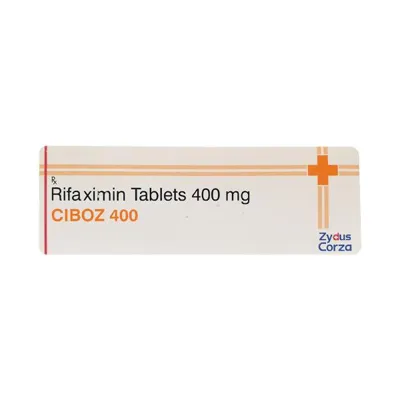
Rifaximin 400 mg: A Complete Guide to Its Role in Digestive Health

- Written By : dharmik dharmik
- Published on : December 16, 2025
- Last updated on : December 16, 2025
Rifaximin 400 mg is a prescription antibiotic widely used in modern gastroenterology to manage specific bacterial conditions affecting the digestive tract. What sets this medicine apart from many other antibiotics is its ability to work mainly within the intestines rather than circulating extensively throughout the body. Because of this targeted action, Rifaximin is often chosen for patients who need effective treatment with a lower risk of widespread side effects.
In this detailed blog, we will explore what Rifaximin 400 mg is, how it functions inside the body, its therapeutic applications, correct usage, safety considerations, and commonly asked questions to help readers better understand this medication.
Understanding Rifaximin 400 mg
Rifaximin 400 mg is an oral antibiotic that belongs to the rifamycin class of drugs. It is specifically formulated to act within the gastrointestinal tract. After ingestion, only a very small amount enters the bloodstream, allowing the medicine to concentrate where harmful bacteria are most active—inside the intestines.
This localized effect makes Rifaximin especially useful for intestinal bacterial infections and conditions linked to abnormal bacterial activity in the gut.
Mechanism of Action
Rifaximin works by inhibiting bacterial RNA production. RNA is essential for bacteria to produce proteins and multiply. When this process is blocked, bacteria lose their ability to grow and survive.
Because Rifaximin stays primarily in the gut, it directly reduces harmful bacterial populations without significantly disturbing the rest of the body. This targeted mechanism also helps maintain a healthier balance of intestinal microorganisms compared to many broad-spectrum antibiotics.
Therapeutic Uses of Rifaximin 400 mg
Rifaximin 400 mg is prescribed for several gastrointestinal conditions where bacterial imbalance or toxin production plays a major role.
1. Intestinal Bacterial Infections
Rifaximin is effective against certain bacteria that cause infections in the intestines. It helps relieve symptoms such as loose stools, abdominal discomfort, and bloating.
2. Traveler’s Diarrhea
People traveling to regions with different sanitation standards may develop diarrhea caused by specific bacteria. Rifaximin is commonly prescribed to shorten the duration of symptoms and reduce stool frequency in these cases.
3. Irritable Bowel Syndrome with Diarrhea (IBS-D)
For patients with IBS-D, Rifaximin may help improve symptoms like frequent bowel movements, gas, and abdominal pain. The medication works by modifying bacterial activity in the gut, which is believed to contribute to IBS symptoms.
4. Hepatic Encephalopathy Prevention
In individuals with chronic liver disease, toxins produced by gut bacteria can build up in the blood and affect brain function. Rifaximin is often used to reduce toxin-producing bacteria, helping prevent episodes of confusion and mental changes associated with hepatic encephalopathy.
5. Small Intestinal Bacterial Overgrowth (SIBO)
SIBO occurs when excessive bacteria grow in the small intestine, leading to digestive discomfort. Rifaximin is one of the most commonly prescribed treatments due to its effectiveness and gut-focused action.
Dosage and How to Take Rifaximin 400 mg
The dose and duration of Rifaximin 400 mg depend on the condition being treated and the doctor’s recommendation.
- Common dosage: 400 mg taken two or three times daily
- Treatment duration: Usually between 7 and 14 days
- Administration: Can be taken with or without meals
- Tablet use: Should be swallowed whole with water
Patients should always complete the full course, even if symptoms improve early, to ensure complete treatment and reduce the risk of recurrence.
Possible Side Effects
Rifaximin 400 mg is generally well tolerated, but some individuals may experience mild side effects.
Commonly Reported Side Effects
- Mild stomach pain
- Nausea
- Gas or bloating
- Headache
- Temporary changes in bowel habits
These effects are usually short-lived and resolve without treatment.
Less Common but Serious Reactions
- Severe or persistent diarrhea
- Signs of allergic reaction such as rash or swelling
- Fever or worsening abdominal pain
Any unusual or severe symptoms should be reported to a healthcare provider immediately.
Precautions and Safety Information
Before starting Rifaximin 400 mg, patients should inform their doctor about their medical history and any ongoing treatments.
Special caution is required if you:
- Have advanced liver disease
- Have a known allergy to rifamycin antibiotics
- Are pregnant or breastfeeding
- Are taking other prescription or over-the-counter medications
Drug Interactions
Rifaximin has fewer interactions than many antibiotics due to its limited absorption. However, it is still important to disclose all medications, supplements, and herbal products you are using. This helps avoid unexpected interactions and ensures safe treatment.
Storage Guidelines
To maintain the effectiveness of Rifaximin 400 mg:
- Store at room temperature
- Protect from moisture and direct sunlight
- Keep out of reach of children
- Do not use expired tablets
Key Advantages of Rifaximin 400 mg
- Acts directly in the intestines
- Minimal absorption into the bloodstream
- Lower risk of systemic side effects
- Effective for both acute and chronic digestive conditions
- Suitable for repeated use under medical supervision
These benefits make Rifaximin a trusted option in gastrointestinal care.
Frequently Asked Questions (FAQ)
1. How quickly does Rifaximin 400 mg show results?
Many patients notice improvement within a few days, but completing the full prescribed course is essential for optimal results.
2. Can Rifaximin be taken for recurring digestive problems?
Yes, in conditions like IBS-D or hepatic encephalopathy, doctors may prescribe repeat or long-term courses under careful monitoring.
3. Is Rifaximin safe for elderly patients?
When prescribed correctly, Rifaximin is generally safe for older adults. Dosage adjustments may be made based on liver function.
4. Does Rifaximin affect normal gut bacteria?
Rifaximin is more selective than many antibiotics and tends to preserve beneficial gut bacteria better than broad-spectrum alternatives.
5. Can alcohol be consumed while taking Rifaximin?
Alcohol does not directly interact with Rifaximin, but limiting alcohol intake is recommended, especially for patients with liver-related conditions.
Final Thoughts
Rifaximin 400 mg is a valuable antibiotic designed specifically for gastrointestinal conditions linked to bacterial imbalance. Its targeted action, favorable safety profile, and proven effectiveness make it an important tool in digestive health management. Whether used for traveler’s diarrhea, IBS-D, SIBO, or liver-related complications, Rifaximin offers reliable results when taken as prescribed.
As with all medications, professional medical guidance is essential to ensure safe and effective use. Proper adherence, awareness of precautions, and timely consultation with a healthcare provider can help patients achieve the best possible outcomes with Rifaximin 400 mg.
Table of Contents
Product categories
- AMOXICILLIN
- AZITHROMYCIN
- Cancer
- Cephalexin
- Ciprofloxacin
- CLENBUTEROL
- Colchicine
- Doxycycline
- Erectile Dysfunction
- FENBENDAZOLE & MEBENDAZONE
- Fluconazole
- Fluvoxamine
- Gabapentin
- General
- Generic Paxlovid
- Hdroxychloroquine
- Hormonal
- Infection
- Inhaler & Respules
- Ivermectin
- Low And High Dose Naltrexone
- Metronidazole
- OLANZAPINE & MIRTAZAPINE
- Other
- Pirfenidone
- PREDNISONE
- Psychiatric Medicine
- Skin Care
- Testosterone
- Thyroid
- Viral Care
- VITAMIN B12 & VITAMIN D3
- Weight Loss & Diabetic