
Blog
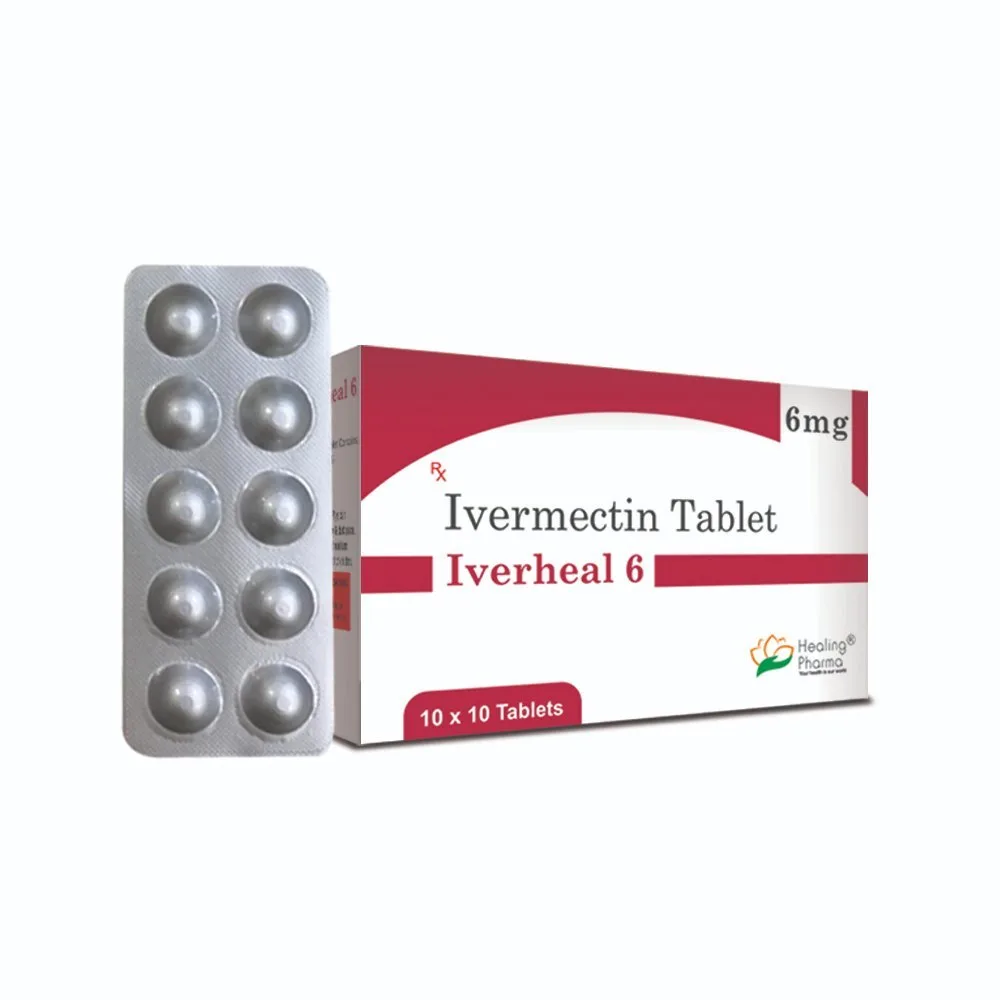
Ivermectin 6 mg: Uses, Benefits, Dosage, Side Effects & Complete Guide

- Written By : dharmik dharmik
- Published on : December 11, 2025
- Last updated on : December 11, 2025
Ivermectin 6 mg is a well-established antiparasitic medication widely used around the world for treating a variety of parasitic infections in humans. Classified under anthelmintics, it effectively targets parasitic worms, mites, and certain insects that affect the skin, eyes, and intestines.
With decades of clinical use and a strong safety profile when taken correctly, Ivermectin remains a key medicine listed in the World Health Organization’s (WHO) Essential Medicines List.
This comprehensive guide explains what Ivermectin 6 mg is, how it works, its approved uses, benefits, dosage guidelines, side effects, precautions, and safety considerations.
What Is Ivermectin 6 mg?
Ivermectin 6 mg is an oral prescription tablet formulated to eliminate parasites from the body. After ingestion, it acts on proteins within the parasite’s nervous system, ultimately causing paralysis and death of the organism.
Doctors commonly prescribe Ivermectin 6 mg for:
- Intestinal strongyloidiasis
- Onchocerciasis (river blindness)
- Scabies, including crusted scabies
- Head lice (resistant cases)
- Certain roundworm infections
- Cutaneous larva migrans
- Other doctor-approved parasitic conditions
How Does Ivermectin Work?
Ivermectin works by binding to glutamate-gated chloride channels in nerve and muscle cells of parasites. This leads to:
- Paralysis of the parasite
- Inability to feed or reproduce
- Eventual death of the organism
Human nerve cells do not use these channels, which is why the medication has a high safety margin when taken as prescribed.
Medical Uses of Ivermectin 6 mg
1. Strongyloidiasis
A parasitic infection caused by Strongyloides stercoralis.
Ivermectin is considered the first-line therapy.
2. Onchocerciasis (River Blindness)
Caused by Onchocerca volvulus.
Ivermectin reduces microfilariae in the body, helping prevent:
- Severe itching
- Skin changes
- Progressive eye damage
3. Scabies
Ivermectin 6 mg may be prescribed when:
- Topical treatments fail
- Crusted (Norwegian) scabies is present
- Large outbreaks occur (e.g., in nursing homes)
4. Head Lice
Used when lice are resistant to topical treatments or when topical therapies cannot be used.
5. Other Parasite-Related Conditions
In some cases, doctors may recommend Ivermectin for off-label parasitic infections, but only after a medical evaluation.
Benefits of Ivermectin 6 mg
- Broad antiparasitic activity
- Fast action—symptom relief often within days
- Convenient single-dose or short-course treatment
- Safe when used correctly
- Helps prevent transmission of parasitic infections
- Improves skin and gastrointestinal symptoms related to parasites
Ivermectin 6 mg Dosage Guidelines
Always follow your doctor’s exact instructions.
Dosage depends on body weight, infection type, and overall health.
Typical Adult Dosages
| Condition | Standard Dosage |
| Strongyloidiasis | 200 mcg/kg as a single dose |
| Onchocerciasis | 150 mcg/kg every 6–12 months |
| Scabies | 200 mcg/kg; repeat after 7–14 days |
| Head lice | 200 mcg/kg as single or repeated dose |
How to take it:
- Usually taken on an empty stomach with a full glass of water.
- Do not take more than prescribed.
Missed Dose
If your treatment requires multiple doses, take the missed dose as soon as you remember.
Do not double-dose.
Overdose Warning
Seek immediate medical attention if symptoms appear such as:
- Severe dizziness
- Loss of coordination
- Confusion
- Breathing difficulty
Side Effects of Ivermectin 6 mg
Most people tolerate Ivermectin well. However, side effects can occur, especially when parasites die off (a reaction known as the Mazzotti reaction in some infections).
Common Side Effects
- Dizziness
- Mild nausea
- Headache
- Diarrhea
- Fatigue
Moderate Side Effects
- Skin rash
- Joint or muscle pain
- Fever
- Swollen lymph nodes
Rare but Serious Side Effects
- Severe allergic reactions
- Vision changes
- Extreme low blood pressure
- Breathing problems
Seek immediate medical help if severe symptoms appear.
Precautions & Safety Warnings
Before taking Ivermectin, tell your doctor if you:
- Are pregnant or breastfeeding
- Have liver disease
- Have weakened immunity
- Have meningitis or neurological conditions
- Are taking anticoagulants (like warfarin)
- Are allergic to Ivermectin or similar drugs
Drug Interactions
Ivermectin may interact with:
- Warfarin
- Anti-seizure medications
- HIV medications
- Other antiparasitic drugs
Avoid alcohol, which may worsen dizziness.
Who Should Avoid Ivermectin 6 mg?
- Children weighing under 15 kg
- Individuals with severe liver disorders
- Pregnant or breastfeeding women (unless advised by a doctor)
- People with known Ivermectin allergies
How Long Does Ivermectin Take to Work?
- Scabies: improvement in 24–48 hours
- Head lice: relief in 1–2 days
- Intestinal parasites: noticeable improvement within a few days
- Full clearance varies depending on the parasite and severity of infection.
Is Ivermectin 6 mg Safe?
Yes—when used under medical supervision for approved parasitic infections.
Ivermectin has been prescribed safely for decades worldwide.
However, misuse or self-medication can lead to side effects, toxicity, or treatment failure.
Where to Buy Ivermectin 6 mg
You can obtain Ivermectin 6 mg from:
- Licensed pharmacies
- Hospital pharmacies
- Reputable online medical platforms (with a valid prescription)
Always choose verified sources to avoid counterfeit medications.
Conclusion
Ivermectin 6 mg is a trusted and effective treatment for several parasitic infections, including strongyloidiasis, scabies, and onchocerciasis. With proper medical guidance, it provides fast relief, high efficacy, and a strong safety record.
If you think you may need Ivermectin, consult your healthcare provider for proper diagnosis, dosing, and safe use.
Self-medication is not recommended.
Table of Contents
Product categories
- AMOXICILLIN
- AZITHROMYCIN
- Cancer
- Cephalexin
- Ciprofloxacin
- CLENBUTEROL
- Colchicine
- Doxycycline
- Erectile Dysfunction
- FENBENDAZOLE & MEBENDAZONE
- Fluconazole
- Fluvoxamine
- Gabapentin
- General
- Generic Paxlovid
- Hdroxychloroquine
- Hormonal
- Infection
- Inhaler & Respules
- Ivermectin
- Low And High Dose Naltrexone
- Metronidazole
- OLANZAPINE & MIRTAZAPINE
- Other
- Pirfenidone
- PREDNISONE
- Psychiatric Medicine
- Skin Care
- Testosterone
- Thyroid
- Viral Care
- VITAMIN B12 & VITAMIN D3
- Weight Loss & Diabetic