
Blog
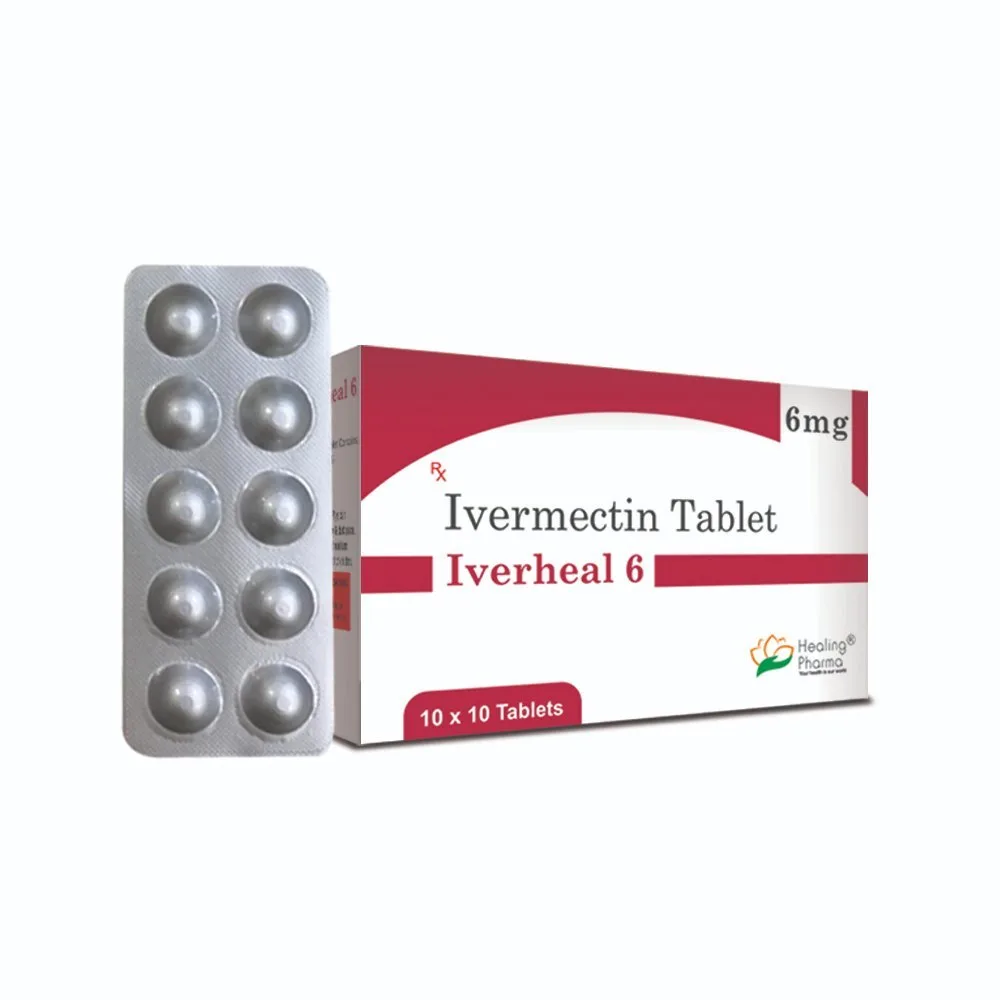
Ivermectin 6 mg: Uses, Benefits, Dosage, Safety, and FAQs

- Written By : dharmik dharmik
- Published on : December 15, 2025
- Last updated on : December 15, 2025
Introduction
Ivermectin 6 mg is a prescription medication widely used in the treatment of certain parasitic infections. It has been part of global healthcare for several decades and is listed by the World Health Organization (WHO) as an essential medicine for specific conditions. When used correctly under medical supervision, Ivermectin 6 mg is considered safe and effective for approved indications.
This blog provides a detailed, easy-to-understand overview of Ivermectin 6 mg, including how it works, its medical uses, dosage guidance, safety considerations, possible side effects, and frequently asked questions.
What Is Ivermectin 6 mg?
Ivermectin belongs to a class of medicines called antiparasitic agents. The 6 mg tablet formulation is commonly prescribed to treat infections caused by intestinal parasites and external parasites that affect humans.
Originally developed in the late 1970s, Ivermectin has played a significant role in reducing parasitic diseases worldwide, particularly in tropical and subtropical regions.
How Does Ivermectin Work?
Ivermectin works by paralyzing and killing parasites. It binds to specific channels in the nerve and muscle cells of parasites, leading to increased permeability of the cell membrane. This causes paralysis and eventually death of the parasite.
Importantly, Ivermectin selectively targets parasites and does not easily cross the human blood-brain barrier at standard prescribed doses, which contributes to its safety when used appropriately.
Approved Medical Uses of Ivermectin 6 mg
Ivermectin 6 mg is commonly prescribed for the following conditions:
1. Strongyloidiasis
A parasitic infection of the intestines caused by Strongyloides stercoralis. Ivermectin is often the first-line treatment.
2. Onchocerciasis (River Blindness)
A parasitic disease caused by Onchocerca volvulus, transmitted through insect bites.
3. Scabies
A skin condition caused by microscopic mites. Oral Ivermectin may be prescribed when topical treatments are ineffective or impractical.
4. Pediculosis (Head Lice)
In some cases, Ivermectin is used when standard treatments fail.
5. Other Parasitic Infections
Doctors may prescribe Ivermectin for additional parasitic conditions based on clinical judgment.
Dosage and Administration
The dosage of Ivermectin 6 mg varies depending on:
- The type of infection
- Body weight
- Age
- Medical history
Typically, Ivermectin is taken orally on an empty stomach with water. In some cases, a single dose is sufficient, while other conditions may require repeated doses as directed by a physician.
Benefits of Ivermectin 6 mg
- Effective against a wide range of parasites
- Well-studied with decades of clinical use
- Generally well-tolerated when prescribed correctly
- Convenient oral tablet form
- Often requires fewer doses compared to other treatments
Possible Side Effects
Most people tolerate Ivermectin 6 mg well, but like all medications, it may cause side effects.
Common Side Effects:
- Nausea
- Dizziness
- Diarrhea
- Fatigue
- Headache
Less Common but Serious Side Effects:
- Allergic reactions (rash, swelling, itching)
- Low blood pressure
- Increased heart rate
- Neurological symptoms (rare)
Seek medical attention immediately if you experience severe or unusual symptoms.
Safety Precautions and Warnings
Before taking Ivermectin 6 mg, inform your doctor if you:
- Are pregnant or breastfeeding
- Have liver disease
- Have a weakened immune system
- Are taking other prescription medications
Ivermectin is not recommended for children below a certain weight unless specifically prescribed.
Drug Interactions
Ivermectin may interact with:
- Blood thinners
- Sedatives
- Certain antifungal medications
- Immunosuppressive drugs
Always provide your healthcare provider with a complete list of medications and supplements you are taking.
Storage Instructions
- Store at room temperature
- Keep away from moisture and direct sunlight
- Keep out of reach of children
- Do not use expired tablets
Frequently Asked Questions (FAQs)
1. Is Ivermectin 6 mg safe?
Yes, when prescribed by a doctor and taken as directed, Ivermectin 6 mg is considered safe for approved uses.
2. Can I take Ivermectin without a prescription?
No. Ivermectin is a prescription-only medicine and should only be taken under medical supervision.
3. How long does Ivermectin take to work?
The medication begins working within hours, but symptom improvement may take a few days depending on the infection.
4. Can I take Ivermectin with food?
It is usually taken on an empty stomach unless your doctor advises otherwise.
5. Can pregnant women take Ivermectin?
Ivermectin is generally avoided during pregnancy unless the benefits outweigh the risks. Always consult a doctor.
6. What should I do if I miss a dose?
Take the missed dose as soon as you remember, unless it is close to the next scheduled dose. Do not double the dose.
7. Is Ivermectin an antibiotic?
No. Ivermectin is an antiparasitic medication, not an antibiotic.
Conclusion
Ivermectin 6 mg is a trusted and effective medication for treating several parasitic infections when used responsibly and under medical guidance. Its long-standing role in global health highlights its importance, but like all prescription medicines, it must be used correctly to ensure safety and effectiveness.
Always consult a qualified healthcare professional before starting Ivermectin 6 mg, and follow prescribed instructions carefully for the best outcomes.
Table of Contents
Product categories
- AMOXICILLIN
- AZITHROMYCIN
- Cancer
- Cephalexin
- Ciprofloxacin
- CLENBUTEROL
- Colchicine
- Doxycycline
- Erectile Dysfunction
- FENBENDAZOLE & MEBENDAZONE
- Fluconazole
- Fluvoxamine
- Gabapentin
- General
- Generic Paxlovid
- Hdroxychloroquine
- Hormonal
- Infection
- Inhaler & Respules
- Ivermectin
- Low And High Dose Naltrexone
- Metronidazole
- OLANZAPINE & MIRTAZAPINE
- Other
- Pirfenidone
- PREDNISONE
- Psychiatric Medicine
- Skin Care
- Testosterone
- Thyroid
- Viral Care
- VITAMIN B12 & VITAMIN D3
- Weight Loss & Diabetic