
Blog
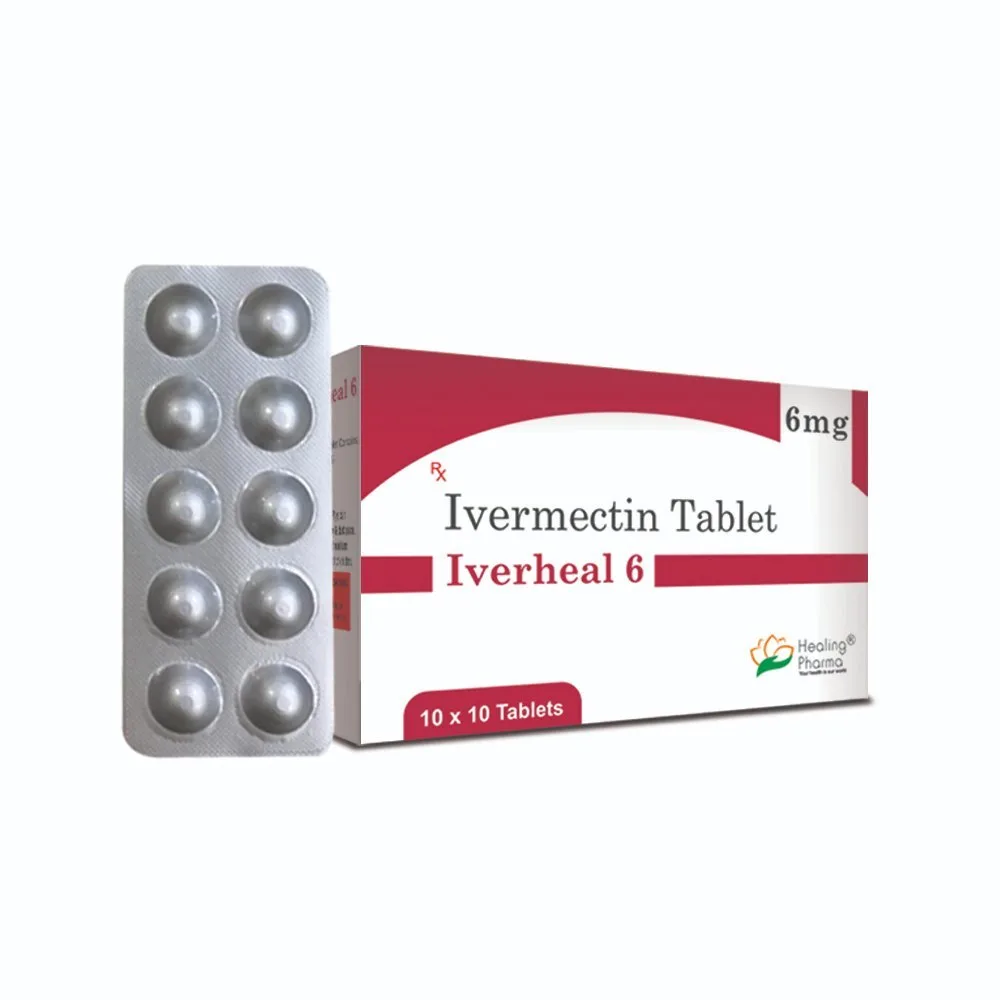
Ivermectin 6 mg Tablet: Uses, Benefits, Dosage, Side Effects, and Safety Information

- Written By : dharmik dharmik
- Published on : December 15, 2025
- Last updated on : December 15, 2025
Introduction
Ivermectin 6 mg is a widely used antiparasitic medication prescribed to treat a variety of parasitic infections in humans. It has been in medical use for several decades and is recognized for its effectiveness against certain internal and external parasites. Doctors commonly prescribe Ivermectin 6 mg for conditions such as intestinal strongyloidiasis, onchocerciasis (river blindness), scabies, and lice infestations.
This blog provides detailed, accurate, and easy-to-understand information about Ivermectin 6 mg, including its uses, how it works, dosage guidelines, possible side effects, precautions, and frequently asked questions. The content is designed for educational purposes and should not replace professional medical advice.
What Is Ivermectin 6 mg?
Ivermectin 6 mg is an oral tablet containing ivermectin as its active ingredient. Ivermectin belongs to a class of medicines known as antiparasitic agents. It works by targeting the nervous system of parasites, leading to paralysis and eventual death of the parasites, thereby helping the body eliminate the infection.
Ivermectin is listed by the World Health Organization (WHO) as an essential medicine due to its importance in treating parasitic diseases worldwide.
Uses of Ivermectin 6 mg
Ivermectin 6 mg is prescribed for several parasitic infections, including:
1. Strongyloidiasis
This is an intestinal infection caused by Strongyloides stercoralis, a parasitic roundworm. Ivermectin helps eliminate the worms from the intestines.
2. Onchocerciasis (River Blindness)
Caused by Onchocerca volvulus, this infection is transmitted through blackfly bites. Ivermectin reduces the number of immature worms in the body and helps prevent complications such as skin disease and vision problems.
3. Scabies
Ivermectin 6 mg may be used when topical treatments fail or in severe cases of scabies. It helps kill the mites responsible for the condition.
4. Head Lice
In some cases, ivermectin is used to treat lice infestations when other treatments are ineffective.
How Does Ivermectin 6 mg Work?
Ivermectin works by binding to specific chloride channels in the nerve and muscle cells of parasites. This action increases the flow of chloride ions into the cells, leading to paralysis and death of the parasites. Human nerve cells are not affected because the drug does not easily cross the blood-brain barrier at prescribed doses.
Dosage and Administration
The dosage of Ivermectin 6 mg depends on several factors, including body weight, type of infection, and overall health condition.
General Dosage Guidelines
- Strongyloidiasis: Usually a single oral dose based on body weight
- Onchocerciasis: Single dose, repeated at intervals as advised by a doctor
- Scabies: One dose followed by a second dose after 7–14 days (if required)
How to Take Ivermectin 6 mg
- Take the tablet on an empty stomach with a full glass of water
- Avoid food for at least 1 hour before and 2 hours after taking the dose
- Follow your doctor’s instructions strictly
Do not self-medicate or change the dosage without consulting a healthcare professional.
Possible Side Effects of Ivermectin 6 mg
Like all medicines, Ivermectin 6 mg may cause side effects, although not everyone experiences them.
Common Side Effects
- Nausea
- Diarrhea
- Dizziness
- Headache
- Fatigue
Less Common Side Effects
- Skin rash or itching
- Muscle pain
- Mild swelling
Rare but Serious Side Effects
- Severe allergic reactions
- Confusion
- Vision changes
- Rapid heartbeat
If you experience severe or persistent side effects, seek medical attention immediately.
Precautions and Warnings
Before taking Ivermectin 6 mg, inform your doctor if you:
- Have liver disease
- Have a weakened immune system
- Are pregnant or planning to become pregnant
- Are breastfeeding
- Are taking other medications
Ivermectin is not recommended for children weighing less than 15 kg unless specifically prescribed by a doctor.
Drug Interactions
Ivermectin 6 mg may interact with certain medications, including:
- Blood thinners
- Sedatives
- Other antiparasitic drugs
Always inform your healthcare provider about all medicines, supplements, or herbal products you are taking.
Storage Instructions
- Store at room temperature
- Keep away from moisture and direct sunlight
- Keep out of reach of children
- Do not use expired tablets
Benefits of Ivermectin 6 mg
- Effective against multiple parasitic infections
- Well-studied and widely used medication
- Generally well tolerated when used as prescribed
- Convenient oral dosage
Frequently Asked Questions (FAQs)
1. What is Ivermectin 6 mg used for?
Ivermectin 6 mg is used to treat parasitic infections such as strongyloidiasis, onchocerciasis, scabies, and lice infestations.
2. Can I take Ivermectin 6 mg daily?
No. Ivermectin is usually taken as a single dose or at specific intervals depending on the infection. Daily use should only be done if prescribed by a doctor.
3. Is Ivermectin 6 mg safe?
Yes, when taken at the prescribed dose under medical supervision, Ivermectin 6 mg is generally safe and effective.
4. Can pregnant women take Ivermectin 6 mg?
Ivermectin is generally avoided during pregnancy unless the potential benefits outweigh the risks. Always consult a doctor.
5. How long does Ivermectin 6 mg take to work?
The medication begins working within hours, but complete elimination of parasites may take several days depending on the condition.
Conclusion
Ivermectin 6 mg is a trusted antiparasitic medication with a long history of effective use in treating various parasitic infections. When taken correctly and under medical guidance, it offers significant relief and helps prevent complications associated with parasitic diseases. Always follow your doctor’s advice, adhere to the prescribed dosage, and avoid self-medication to ensure safe and effective treatment.
Table of Contents
Product categories
- AMOXICILLIN
- AZITHROMYCIN
- Cancer
- Cephalexin
- Ciprofloxacin
- CLENBUTEROL
- Colchicine
- Doxycycline
- Erectile Dysfunction
- FENBENDAZOLE & MEBENDAZONE
- Fluconazole
- Fluvoxamine
- Gabapentin
- General
- Generic Paxlovid
- Hdroxychloroquine
- Hormonal
- Infection
- Inhaler & Respules
- Ivermectin
- Low And High Dose Naltrexone
- Metronidazole
- OLANZAPINE & MIRTAZAPINE
- Other
- Pirfenidone
- PREDNISONE
- Psychiatric Medicine
- Skin Care
- Testosterone
- Thyroid
- Viral Care
- VITAMIN B12 & VITAMIN D3
- Weight Loss & Diabetic