
Blog
Ivermectin 40 mg: Uses, Benefits, Dosage, Safety, Side Effects & Complete Guide

- Written By : dharmik dharmik
- Published on : December 10, 2025
- Last updated on : December 10, 2025
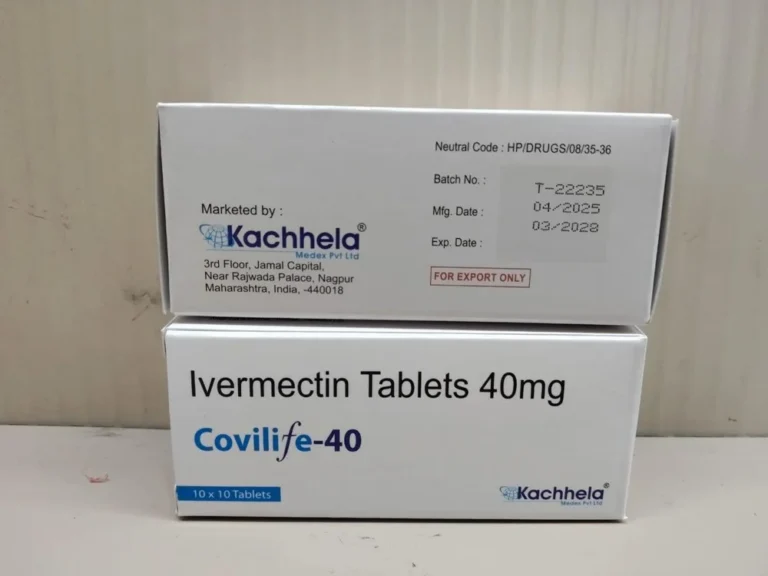
Ivermectin 40 mg is an antiparasitic medication used for treating a variety of parasitic infections in humans. It belongs to the class of drugs known as anthelmintics and works by paralyzing and killing parasites. While ivermectin is available in multiple strengths, the 40 mg dose is typically prescribed in cases where a higher, single-dose therapy is needed, usually based on body weight and the severity of infection.
In this detailed guide, we cover everything you need to know about Ivermectin 40 mg, including its uses, dosage guidelines, benefits, safety precautions, side effects, and more. This blog is ideal for SEO optimization, educational awareness, and dependable health information.
What Is Ivermectin 40 mg?
Ivermectin 40 mg is a higher-strength oral tablet used to treat parasitic infections such as:
- Strongyloidiasis (threadworm infection)
- Onchocerciasis (river blindness)
- Scabies (off-label in some regions)
- Head lice (off-label)
- Other parasitic infections as directed by a healthcare professional
The medication works by binding to the parasite’s nerve and muscle cells, causing paralysis and eventual death. It is effective against internal and external parasites but should only be taken when prescribed by a qualified doctor.
How Does Ivermectin 40 mg Work?
Ivermectin targets the glutamate-gated chloride ion channels in parasites. These channels are not present in humans, which makes the medicine effective and relatively safe when used properly. The drug increases chloride ion permeability, leading to:
- Paralysis of the parasite
- Inability to feed or reproduce
- Removal of the parasite from the body
Because parasites cannot survive this process, ivermectin is considered one of the most effective antiparasitic agents available today.
Medical Uses of Ivermectin 40 mg
1. Strongyloidiasis
Ivermectin is the first-line treatment for strongyloidiasis, a type of roundworm infection that affects the intestines. A 40 mg dose may be recommended depending on weight and infection severity.
2. Onchocerciasis (River Blindness)
This chronic parasitic infection, caused by Onchocerca volvulus, can lead to intense itching and vision problems. Ivermectin 40 mg helps control the infection by reducing parasite load.
3. Scabies (Off-Label Use)
In moderate to severe scabies where topical treatments fail, a doctor may prescribe oral ivermectin. High-strength doses like 40 mg may be used in heavier patients or specific clinical situations.
4. Lice Infestation
Ivermectin can be used off-label for difficult cases of head lice. Dosage varies and should only be used under medical supervision.
5. Other Parasitic Infections
Doctors may prescribe ivermectin for additional parasitic diseases depending on the diagnosis and body weight.
Ivermectin 40 mg Dosage Information
The dosage of ivermectin depends on the patient’s body weight (usually 150–200 mcg/kg). A 40 mg tablet may be prescribed for individuals who require a higher dose, typically people with:
- Higher body weight
- Severe parasitic infections
- Recurrent infections
- Special medical conditions determined by a physician
Typical Dosage Pattern
- Strongyloidiasis: Single dose; may repeat after 2 weeks if needed.
- Onchocerciasis: Single dose every 6–12 months depending on infection severity.
- Scabies (Off-label): Usually 1–2 doses separated by one week.
- Lice (Off-label): Single dose with a follow-up dose depending on response.
How to Take Ivermectin 40 mg
To ensure maximum absorption and effectiveness:
- Take the tablet with a full glass of water
- Consume it on an empty stomach
- Do not crush or break the tablet
- Follow your doctor’s dosage schedule exactly
Avoid consuming alcohol during the treatment period.
Benefits of Ivermectin 40 mg
Ivermectin is widely used worldwide due to its:
1. High Efficacy
It eliminates parasites quickly and prevents further spread.
2. Single-Dose Convenience
Many parasitic infections require only one or two doses.
3. Broad Spectrum Action
Ivermectin works against various internal and external parasites.
4. Good Safety Profile
When used under medical supervision, it is safe and well-tolerated.
Possible Side Effects of Ivermectin 40 mg
While generally safe, some people may experience:
Common Side Effects
- Nausea
- Fatigue
- Dizziness
- Diarrhea
- Mild skin rash
Moderate Side Effects
- Joint pain
- Swelling of lymph nodes
- Muscle ache
Severe But Rare Side Effects
Seek immediate medical help if you notice:
- Severe allergic reactions
- Breathing difficulty
- Confusion or seizures
- Rapid heartbeat
- Vision disturbances
These reactions are uncommon but require urgent care.
Warnings & Precautions
Before taking Ivermectin 40 mg, inform your doctor if you:
- Are pregnant or breastfeeding
- Have liver disease
- Have kidney disorders
- Are taking blood thinners, sedatives, or antiepileptic medications
- Have any existing neurological conditions
Avoid consuming alcohol, as it may increase side effects.
Drug Interactions
- Ivermectin may interact with:
- Warfarin
- Barbiturates
- Benzodiazepines
- Valproic acid
- HIV medications
Always provide your full medical history to your doctor before starting treatment.
Who Should Not Take Ivermectin 40 mg?
Avoid using ivermectin if you:
- Have an allergy to ivermectin or similar medications
- Have meningitis or severe neurological diseases
- Are younger than the recommended age for oral ivermectin
- Are taking incompatible medications
Ivermectin 40 mg vs. Other Strengths
| Strength | Typical Use |
| Ivermectin 3–12 mg | Standard treatments for most patients |
| Ivermectin 20–40 mg | Higher-weight adults or severe infections |
| Ivermectin 40 mg | Usually for heavy-weight patients or special clinical needs |
The 40 mg version is not commonly prescribed unless necessary.
Storage Guidelines
- Store at room temperature
- Keep away from heat and moisture
- Keep out of reach of children
FAQs
1. Is Ivermectin 40 mg safe?
Yes, it is safe when used under medical supervision and at the correct dose.
2. Can I take Ivermectin 40 mg without a doctor’s prescription?
No. It is a prescription drug and should not be taken without medical advice.
3. How long does Ivermectin take to work?
Many patients see improvement within 1–2 days, but full parasite removal may take longer.
4. Can pregnant women take Ivermectin 40 mg?
It is not recommended unless a doctor believes the benefits outweigh the risks.
5. Can Ivermectin be used for viral infections?
No. Ivermectin is approved only for parasitic infections.
Conclusion
Ivermectin 40 mg is a powerful and effective antiparasitic medication used for treating multiple types of parasitic infections. It offers fast relief, high success rates, and long-term parasite control. However, because it is a high-strength dose, it must be used only under professional medical supervision.
If you suspect a parasitic infection or need ivermectin treatment, consult a licensed healthcare provider for proper diagnosis and dose guidance.
Table of Contents
Product categories
- AMOXICILLIN
- AZITHROMYCIN
- Cancer
- Cephalexin
- Ciprofloxacin
- CLENBUTEROL
- Colchicine
- Doxycycline
- Erectile Dysfunction
- FENBENDAZOLE & MEBENDAZONE
- Fluconazole
- Fluvoxamine
- Gabapentin
- General
- Generic Paxlovid
- Hdroxychloroquine
- Hormonal
- Infection
- Inhaler & Respules
- Ivermectin
- Low And High Dose Naltrexone
- Metronidazole
- OLANZAPINE & MIRTAZAPINE
- Other
- Pirfenidone
- PREDNISONE
- Psychiatric Medicine
- Skin Care
- Testosterone
- Thyroid
- Viral Care
- VITAMIN B12 & VITAMIN D3
- Weight Loss & Diabetic