
Blog
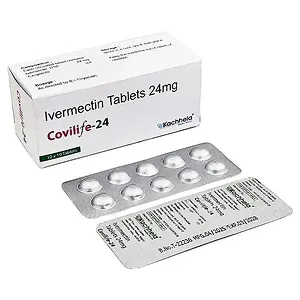
Ivermectin 24 mg: Uses, Dosage, Benefits, Side Effects & Complete Guide

- Written By : dharmik dharmik
- Published on : December 10, 2025
- Last updated on : December 10, 2025
Ivermectin 24 mg is an antiparasitic medication widely used for treating a variety of parasitic infections caused by roundworms, threadworms, and external parasites. Although ivermectin is well known for its veterinary applications, the human-use version is FDA-approved for specific parasitic conditions only. It should be taken strictly under medical supervision and not used for unapproved conditions.
In this detailed guide, you’ll learn everything about Ivermectin 24 mg, including its uses, working mechanism, dosage guidelines, benefits, side effects, interactions, safety precautions, and frequently asked questions.
What Is Ivermectin 24 mg?
Ivermectin 24 mg is an oral tablet formulation of ivermectin, a broad-spectrum antiparasitic medicine belonging to the avermectin class. It is primarily used to treat parasitic infections such as:
- Strongyloidiasis (intestinal threadworm infection)
- Onchocerciasis (river blindness caused by worms)
- Scabies (in certain cases as prescribed)
- Lice infestations
- Some types of roundworm infections
Ivermectin works by paralyzing and killing parasites, preventing them from multiplying or surviving inside the body. This helps in eliminating the infection and restoring normal health.
How Does Ivermectin 24 mg Work?
Ivermectin works by binding to parasite nerve and muscle cells. It enhances the release of chloride ions, causing paralysis and eventual death of the parasites. The medicine:
- Disrupts parasite neurological activity
- Inhibits reproduction
- Eliminates adult parasites and larvae
- Helps prevent reinfection (when combined with hygiene measures)
Its powerful mechanism makes it effective against a wide range of parasitic worms and external parasites.
Medical Uses of Ivermectin 24 mg
Doctors may prescribe Ivermectin 24 mg for:
1. Intestinal Strongyloidiasis
A parasitic infection caused by Strongyloides stercoralis. Ivermectin is considered the first-line treatment.
2. Onchocerciasis
Also known as “river blindness,” caused by Onchocerca volvulus. Ivermectin helps reduce microfilariae levels in the body.
3. Scabies
While the 24 mg dose is not common for standard scabies treatment, higher doses may be used in severe or crusted scabies based on a doctor’s recommendation.
4. Lice Infestation
In cases where topical treatments fail or are unsuitable, ivermectin tablets may be prescribed.
5. Other Parasitic Worm Infections
Such as roundworms, pinworms, and hookworms—only when directed by a healthcare professional.
Ivermectin 24 mg Dosage Guidelines
The dosage of Ivermectin depends on body weight, condition being treated, and physician recommendation.
Typical dosage guidelines:
For Strongyloidiasis
- Single dose of 200 mcg/kg
- Dose may be repeated as needed
For Onchocerciasis
- 150 mcg/kg, taken once every 6–12 months
For Scabies
- Dose varies depending on severity and weight
- Usually repeated after 7–14 days
Important Notes
✔ Take on an empty stomach
✔ Swallow with a full glass of water
✔ Do not self-medicate
✔ Follow doctor’s exact dosage instructions
Benefits of Ivermectin 24 mg
- Highly effective against multiple parasites
- Fast-acting results
- Convenient single-dose therapy for many infections
- Helps prevent complications caused by untreated infestations
- Often well tolerated when used correctly
- Reduces itching, irritation, and discomfort caused by parasites
Side Effects of Ivermectin 24 mg
Ivermectin is generally considered safe, but some individuals may experience side effects, including:
Common Side Effects
- Headache
- Dizziness
- Nausea
- Mild diarrhea
- Fatigue
- Muscle pain
Less Common Side Effects
- Low blood pressure
- Rapid heartbeat
- Skin rash
- Joint swelling
- Fever
Severe Side Effects (Rare)
- Allergic reactions
- Breathing difficulty
- Severe skin reactions
- Worsening symptoms in onchocerciasis patients (Mazzotti reaction)
Seek medical help immediately if severe symptoms appear.
Drug Interactions
Ivermectin may interact with:
- Warfarin (blood thinner)
- HIV medications
- Barbiturates
- Benzodiazepines
- Anticonvulsants
- Tuberculosis medications
Always inform your doctor about any medications, supplements, or herbal products you are taking.
Who Should Not Take Ivermectin 24 mg?
Avoid ivermectin if you:
- Are allergic to ivermectin or similar medicines
- Have meningitis or severe neurological issues
- Have liver impairment
- Are pregnant or breastfeeding (unless prescribed)
- Weigh less than 15 kg (children)
People with chronic medical conditions should consult a doctor before using this medication.
Precautions Before Using Ivermectin 24 mg
- Do not exceed the prescribed dose
- Do not combine with alcohol
- Stay hydrated
- If you have eye-related issues, inform your doctor
- For parasitic infections, ensure proper hygiene to prevent reinfection
- Avoid driving if you feel dizzy after taking ivermectin
How Long Does Ivermectin 24 mg Take to Work?
Most patients start noticing improvements within 24–72 hours.
However, parasite elimination and symptom relief depend on:
- Type of parasite
- Severity of infection
- Immune response
- Follow-up hygiene practices
Some infections may require repeat dosing or long-term monitoring.
Is It Safe to Take Ivermectin 24 mg Without a Prescription?
No.
Ivermectin is a prescription-only medication for humans. Self-medication can lead to:
- Overdose
- Incorrect treatment
- Unsafe drug interactions
- Worsening symptoms
Always use it under medical guidance.
FAQs About Ivermectin 24 mg
1. What is Ivermectin 24 mg used for?
It treats strongyloidiasis, onchocerciasis, scabies (as prescribed), lice, and certain worm infections.
2. How do I take Ivermectin 24 mg?
Take it on an empty stomach with water, following your doctor’s exact dosage.
3. Can Ivermectin cure scabies?
Yes, but the 24 mg dose is typically for severe cases or crusted scabies and must be doctor-approved.
4. Is Ivermectin safe?
Yes, when used under medical supervision. Side effects are usually mild and temporary.
5. How long does it stay in the body?
Ivermectin remains active for up to 12–18 hours, but metabolites may stay longer.
6. Can pregnant women take Ivermectin?
It is generally avoided unless strictly necessary and approved by a doctor.
7. Can I take Ivermectin with food?
It is recommended to take it on an empty stomach for better absorption.
Conclusion
Ivermectin 24 mg is a powerful antiparasitic tablet used to treat several parasitic infections effectively. When taken correctly and under medical supervision, it provides rapid relief and eliminates parasites safely. Avoid using it without a prescription and always follow your doctor’s instructions for the best results.
Table of Contents
Product categories
- AMOXICILLIN
- AZITHROMYCIN
- Cancer
- Cephalexin
- Ciprofloxacin
- CLENBUTEROL
- Colchicine
- Doxycycline
- Erectile Dysfunction
- FENBENDAZOLE & MEBENDAZONE
- Fluconazole
- Fluvoxamine
- Gabapentin
- General
- Generic Paxlovid
- Hdroxychloroquine
- Hormonal
- Infection
- Inhaler & Respules
- Ivermectin
- Low And High Dose Naltrexone
- Metronidazole
- OLANZAPINE & MIRTAZAPINE
- Other
- Pirfenidone
- PREDNISONE
- Psychiatric Medicine
- Skin Care
- Testosterone
- Thyroid
- Viral Care
- VITAMIN B12 & VITAMIN D3
- Weight Loss & Diabetic