
Blog
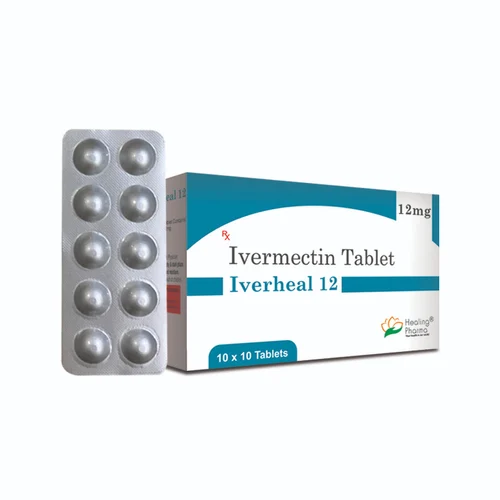
Ivermectin 12 mg: Uses, Dosage, Benefits, Side Effects & Complete Safety Guide

- Written By : dharmik dharmik
- Published on : December 11, 2025
- Last updated on : December 11, 2025
Ivermectin 12 mg is a well-established antiparasitic medication widely used in the treatment of several parasitic infections in humans. Known for its strong efficacy and broad-spectrum activity, it belongs to a class of medicines called anthelmintics, which work by paralyzing and eliminating parasites from the body.
Although Ivermectin has been widely discussed in recent years, its approved uses remain specific. This guide covers everything you need to know — including uses, dosage, benefits, side effects, and important precautions — with medically accurate and realistic information.
What Is Ivermectin 12 mg?
Ivermectin 12 mg is an oral antiparasitic tablet used for treating certain parasitic infections. It works by binding to glutamate-gated chloride channels in parasite nerve and muscle cells, causing paralysis and eventual death of the parasite.
It is considered safe only when taken under medical supervision and is not effective against viral infections.
Medically Approved Uses of Ivermectin 12 mg
Ivermectin is approved and commonly used for the following parasitic conditions:
1. Strongyloidiasis
- Caused by Strongyloides stercoralis (a type of roundworm).
- Ivermectin is the first-line treatment, known for excellent cure rates.
2. Onchocerciasis (River Blindness)
- A chronic infection caused by Onchocerca volvulus, common in tropical regions.
- Ivermectin helps eliminate microfilariae (larval worms) and reduce symptoms.
3. Scabies
- A skin infestation caused by Sarcoptes scabiei mites.
- Usually prescribed when:
- Topical treatments fail
- The condition is severe
- The patient cannot use topical therapy
4. Head Lice (Off-Label Use)
- Sometimes used when lice do not respond to topical treatments.
5. Other Parasitic Conditions (As Directed by a Doctor)
- Filariasis
- Cutaneous larva migrans
- Certain intestinal worms
How Does Ivermectin 12 mg Work?
Ivermectin targets nerve and muscle cells of parasites by enhancing chloride ion influx. This causes:
- Paralysis
- Loss of vital functions
- Death of the parasite
Because mammals do not have the same type of chloride channels, the medication has a good safety margin when prescribed correctly.
Dosage Guide for Ivermectin 12 mg
The exact dosage depends on your body weight, the type of infection, and your doctor’s decision.
General Guidelines
- Usually taken as a single dose.
- Dose is typically 150–200 mcg per kg of body weight.
- Taken on an empty stomach with a full glass of water.
Typical Treatment Schedule
| Condition | Usual Dosage Plan |
| Strongyloidiasis | Single dose; may repeat after 2 weeks |
| Scabies | One dose; a second dose after 7–14 days if needed |
| Onchocerciasis | One dose every 6–12 months (as prescribed) |
| Head Lice | One dose; may repeat after 7 days |
Benefits of Ivermectin 12 mg
✔ Effective against multiple parasites
✔ Often given as a single, easy-to-take dose
✔ Works quickly — many patients improve within days
✔ Generally well-tolerated
✔ Widely used and trusted worldwide
Possible Side Effects of Ivermectin 12 mg
Common Side Effects
- Dizziness
- Nausea or vomiting
- Mild diarrhea
- Fatigue
- Loss of appetite
- Mild skin rash
- Stomach discomfort
Rare but Serious Side Effects
- Severe dizziness or low blood pressure
- Rapid heart rate
- Breathing difficulties
- Vision changes
- Severe allergic reactions
- Swelling of lymph nodes
Seek immediate medical help if any severe symptoms occur.
Precautions to Take Before Using Ivermectin 12 mg
1. Allergies
Inform your doctor of any allergic reactions to Ivermectin or similar medications.
2. Pregnancy and Breastfeeding
- Should only be used if a healthcare provider decides the benefits outweigh the risks.
3. Liver Problems
- Patients with liver disease may need modified dosage or close monitoring.
4. Avoid Alcohol
- Alcohol may increase the risk of dizziness or drowsiness.
5. Drug Interactions
Ivermectin may interact with medications such as:
- Warfarin
- Barbiturates
- Benzodiazepines
- Valproic acid
- Certain HIV medications
Always provide your full medication list to your healthcare provider.
Who Should Avoid Ivermectin 12 mg?
Ivermectin may not be suitable for:
- Children weighing under 15 kg
- People with severe liver disease
- Individuals with known antiparasitic drug allergies
- Pregnant individuals (unless prescribed)
Safety Tips for Taking Ivermectin
- Take only the dose prescribed.
- Do not use for viral illnesses.
- Drink plenty of water.
- Store in a cool, dry place.
- Keep away from children.
Where Can You Buy Ivermectin 12 mg?
Ivermectin should be purchased only from licensed, legitimate pharmacies—either local or online—with a valid prescription. Ensure the provider offers:
- Proper labeling
- Genuine, quality-assured medication
- Legal prescription requirements
Avoid unverified online sellers, as counterfeit medications are common.
Conclusion
Ivermectin 12 mg is a highly effective, widely prescribed antiparasitic medicine with a strong safety record when used correctly. It plays a crucial role in treating conditions such as strongyloidiasis, scabies, and onchocerciasis.
Always follow your doctor’s dosage instructions, avoid self-medication, and use the medication only for conditions it is medically approved for.
A clear understanding of its uses, dosage, benefits, and precautions helps ensure safe and effective treatment.
Table of Contents
Product categories
- AMOXICILLIN
- AZITHROMYCIN
- Cancer
- Cephalexin
- Ciprofloxacin
- CLENBUTEROL
- Colchicine
- Doxycycline
- Erectile Dysfunction
- FENBENDAZOLE & MEBENDAZONE
- Fluconazole
- Fluvoxamine
- Gabapentin
- General
- Generic Paxlovid
- Hdroxychloroquine
- Hormonal
- Infection
- Inhaler & Respules
- Ivermectin
- Low And High Dose Naltrexone
- Metronidazole
- OLANZAPINE & MIRTAZAPINE
- Other
- Pirfenidone
- PREDNISONE
- Psychiatric Medicine
- Skin Care
- Testosterone
- Thyroid
- Viral Care
- VITAMIN B12 & VITAMIN D3
- Weight Loss & Diabetic