

Blog
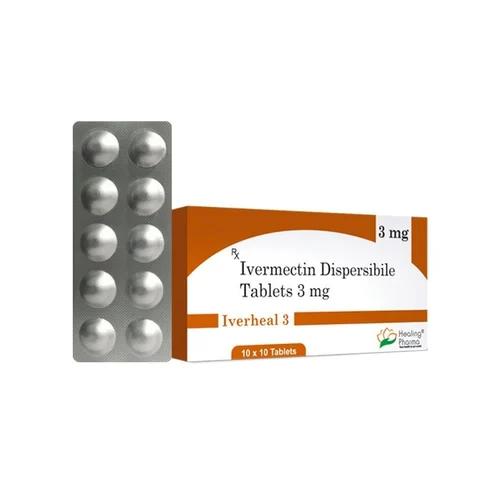
Iverheal 3 mg: Uses, Benefits, Dosage, Side Effects, and FAQs

- Written By : dharmik dharmik
- Published on : December 16, 2025
- Last updated on : December 16, 2025
Introduction
Iverheal 3 mg is a widely used antiparasitic medication that contains ivermectin as its active ingredient. It is commonly prescribed to treat a variety of parasitic infections affecting the intestines, skin, and eyes. Iverheal 3 mg works by paralyzing and eliminating parasites, helping the body recover from infection and reduce symptoms such as itching, inflammation, and discomfort.
This medication is manufactured under strict pharmaceutical standards and is typically recommended by healthcare professionals when parasitic infections are confirmed. In this blog, we will explore everything you need to know about Iverheal 3 mg, including its uses, how it works, dosage guidelines, side effects, precautions, and frequently asked questions.
What is Iverheal 3 mg?
Iverheal 3 mg is an oral tablet formulation of ivermectin, a medication known for its effectiveness against certain parasites. Ivermectin has been used globally for decades and is included in treatment protocols for specific parasitic diseases.
The drug is not an antibiotic and does not treat viral or bacterial infections. Its primary role is to target parasites that survive and multiply inside the human body.
How Does Iverheal 3 mg Work?
Iverheal 3 mg works by interfering with the nerve and muscle function of parasites. It binds to specific ion channels in the parasite’s nervous system, leading to paralysis and eventual death of the parasite. Once immobilized, the parasites are naturally eliminated by the body.
Importantly, ivermectin selectively affects parasites and does not easily cross the human brain barrier when taken at prescribed doses, making it generally safe when used correctly.
Uses of Iverheal 3 mg
Iverheal 3 mg is prescribed for the treatment of several parasitic infections, including:
1. Strongyloidiasis
A parasitic intestinal infection caused by roundworms. Iverheal 3 mg helps eliminate the worms and prevent long-term complications.
2. Onchocerciasis (River Blindness)
This condition is caused by parasitic worms that affect the skin and eyes. Iverheal helps reduce microfilariae levels and prevents disease progression.
3. Scabies (Off-Label Use)
Iverheal 3 mg may be prescribed in resistant or severe cases of scabies, especially when topical treatments are ineffective.
4. Other Parasitic Infestations
In some cases, doctors may prescribe ivermectin for lice or other parasitic infections based on medical judgment.
Dosage and Administration
The dosage of Iverheal 3 mg depends on several factors, including:
- Type of infection
- Body weight
- Age
- Medical history
General Dosage Guidelines:
- The tablet is usually taken on an empty stomach with water
- Often given as a single dose, though some conditions may require repeat dosing
- Dosage is calculated based on body weight
Possible Side Effects
Like all medications, Iverheal 3 mg may cause side effects, although not everyone experiences them.
Common Side Effects:
- Headache
- Dizziness
- Nausea
- Diarrhea
- Mild skin rash
Less Common but Serious Side Effects:
- Severe allergic reactions
- Swelling of the face or limbs
- Vision disturbances
- Confusion or severe dizziness
If any severe or unusual symptoms occur, medical attention should be sought immediately.
Precautions and Warnings
Before taking Iverheal 3 mg, inform your doctor if you:
- Are pregnant or breastfeeding
- Have liver disease
- Have a weakened immune system
- Are taking other medications
Avoid alcohol while taking this medication, as it may increase the risk of side effects. Iverheal 3 mg should not be used in children below a certain weight unless prescribed by a doctor.
Drug Interactions
Iverheal 3 mg may interact with certain medications, including:
- Blood thinners
- Sedatives
- Anti-anxiety drugs
Always provide a complete list of medications and supplements to your healthcare provider to avoid unwanted interactions.
Storage Instructions
- Store at room temperature
- Keep away from moisture and direct sunlight
- Keep out of reach of children
- Do not use expired medication
Why Use Iverheal 3 mg Only Under Medical Guidance?
Although ivermectin is a well-studied medication, improper use can lead to side effects, reduced effectiveness, or health risks. Using Iverheal 3 mg only under medical supervision ensures correct dosing, proper diagnosis, and safe treatment outcomes.
Frequently Asked Questions (FAQs)
1. What is Iverheal 3 mg used for?
Iverheal 3 mg is primarily used to treat parasitic infections such as strongyloidiasis and onchocerciasis. It may also be prescribed off-label for scabies or lice.
2. Is Iverheal 3 mg safe?
Yes, when taken at the prescribed dose under medical supervision, Iverheal 3 mg is generally safe and well tolerated.
3. Can I take Iverheal 3 mg without a prescription?
No. Iverheal 3 mg should only be taken after consulting a healthcare professional to ensure proper diagnosis and dosage.
4. How long does Iverheal 3 mg take to work?
The medication begins working within hours, but complete symptom relief may take several days depending on the infection.
5. Can pregnant women take Iverheal 3 mg?
Pregnant women should avoid this medication unless specifically advised by a doctor, as safety during pregnancy is not fully established.
6. Does Iverheal 3 mg kill all parasites?
It is effective against specific parasites but not all types. Your doctor will determine whether it is suitable for your condition.
Conclusion
Iverheal 3 mg is a trusted antiparasitic medication with a long history of effective use in treating specific parasitic infections. When used responsibly and under medical supervision, it can provide significant relief and prevent complications caused by parasitic diseases.
Always follow your healthcare provider’s instructions, avoid self-medication, and report any side effects promptly. With the right guidance, Iverheal 3 mg can be a safe and effective part of parasite treatment therapy.
Table of Contents
Product categories
- AMOXICILLIN
- AZITHROMYCIN
- Cancer
- Cephalexin
- Ciprofloxacin
- CLENBUTEROL
- Colchicine
- Doxycycline
- Erectile Dysfunction
- FENBENDAZOLE & MEBENDAZONE
- Fluconazole
- Fluvoxamine
- Gabapentin
- General
- Generic Paxlovid
- Hdroxychloroquine
- Hormonal
- Infection
- Inhaler & Respules
- Ivermectin
- Low And High Dose Naltrexone
- Metronidazole
- OLANZAPINE & MIRTAZAPINE
- Other
- Pirfenidone
- PREDNISONE
- Psychiatric Medicine
- Skin Care
- Testosterone
- Thyroid
- Viral Care
- VITAMIN B12 & VITAMIN D3
- Weight Loss & Diabetic