

Blog
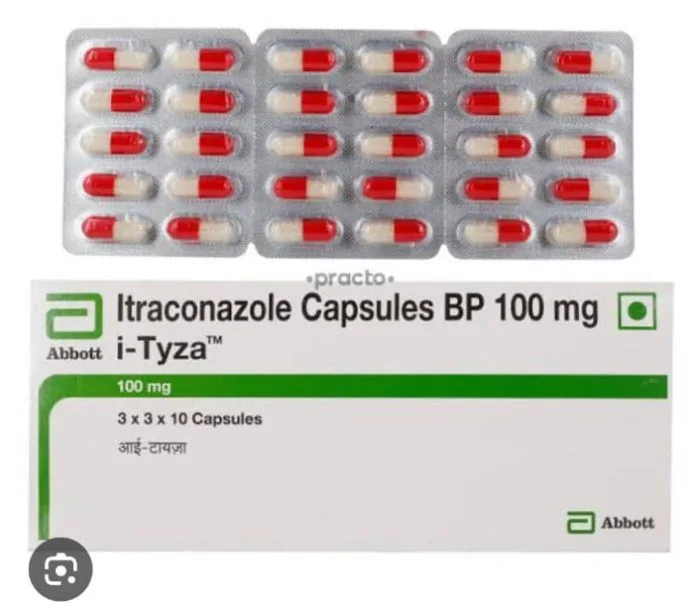
Itraconazole 100 mg: Uses, Benefits, Dosage, Side Effects & Complete Guide

- Written By : dharmik dharmik
- Published on : December 10, 2025
- Last updated on : December 10, 2025
Itraconazole 100 mg is a widely prescribed antifungal medication used to treat a broad range of fungal infections affecting the skin, nails, and internal organs. Belonging to the triazole class of antifungals, itraconazole works by stopping the growth of fungi and preventing them from spreading in the body. Its effectiveness, long-lasting action, and availability in capsule, tablet, and solution forms make it a preferred choice among healthcare professionals.
In this detailed blog, we will explore what Itraconazole 100 mg is, how it works, its uses, dosage guidelines, benefits, side effects, precautions, drug interactions, and everything you need to know before using it.
This guide is SEO-optimized, medically accurate, and perfect for readers searching for trustworthy information.
What Is Itraconazole 100 mg?
Itraconazole 100 mg is an antifungal medication used to treat fungal infections caused by yeasts, molds, and dermatophytes. It is commonly prescribed in the form of 100 mg capsules for both short-term and long-term therapies, depending on the type and severity of the infection.
It is generally recommended for patients who fail to respond to topical treatments or have moderate to severe fungal infections.
How Does Itraconazole 100 mg Work?
Itraconazole works by inhibiting the synthesis of ergosterol, a vital component of fungal cell membranes. Without ergosterol, fungi cannot survive, multiply, or maintain their structure.
Key Functions of Itraconazole:
- Blocks fungal growth
- Destroys fungal cell membranes
- Prevents infection from spreading
- Works against both superficial and systemic fungal infections
Because of its broad spectrum, itraconazole is preferred for complex fungal conditions.
Medical Uses of Itraconazole 100 mg
Itraconazole 100 mg is prescribed for several fungal infections, including:
1. Skin Fungal Infections
- Tinea corporis (ringworm)
- Tinea cruris (jock itch)
- Tinea pedis (athlete’s foot)
- Pityriasis versicolor
2. Nail Fungus (Onychomycosis)
Itraconazole is highly effective for fungal nail infections, although treatment may take several months.
3. Systemic Fungal Infections
- Histoplasmosis
- Blastomycosis
- Aspergillosis (in certain cases)
- Sporotrichosis
4. Oral & Vaginal Yeast Infections
Although other antifungals are often preferred, itraconazole may be prescribed for resistant or recurrent cases.
5. Fungal Infections in Immunocompromised Patients
Itraconazole is sometimes used to prevent fungal infections in HIV-positive patients or those undergoing chemotherapy.
Itraconazole 100 mg Dosage Guide
Important: Always follow your doctor’s instructions. Dosage varies based on the infection type and severity.
Typical Dosage Recommendations:
| Condition | Recommended Dosage |
| Skin infections | 100 mg once daily for 15–30 days |
| Fungal nail infection | 200 mg daily for 3 months OR pulse therapy (200 mg twice daily for 1 week per month) |
| Pityriasis versicolor | 200 mg daily for 7 days |
| Oral thrush | 100–200 mg daily for 1–2 weeks |
| Systemic infections | 200 mg twice daily, as prescribed |
How to Take Itraconazole 100 mg
- Best taken immediately after a full meal for better absorption.
- Swallow capsules whole; do not crush or chew.
- Avoid antacids or proton pump inhibitors near dosing (they reduce absorption).
If you miss a dose, take it as soon as possible. Do not double the dose.
Who Should Not Take Itraconazole 100 mg?
Avoid itraconazole if you have:
- Liver disease
- Congestive heart failure (CHF)
- Kidney issues
- Known allergies to azole antifungals
Itraconazole may cause serious heart-related complications in some patients, so it must be used cautiously.
Pregnant women should avoid itraconazole unless absolutely necessary. Breastfeeding mothers should consult a doctor.
Side Effects of Itraconazole 100 mg
Like all medications, itraconazole may cause some side effects. Most are mild, but some require immediate attention.
Common Side Effects
- Nausea
- Stomach pain
- Diarrhea
- Headache
- Dizziness
- Fatigue
Less Common but Serious Side Effects
- Liver damage (jaundice, dark urine, yellow eyes)
- Heart failure symptoms (swelling, shortness of breath, chest pain)
- Numbness or tingling
- Severe skin reactions
If any symptoms persist or worsen, seek medical help promptly.
Precautions While Using Itraconazole 100 mg
Before using itraconazole, inform your doctor if you:
- Take cholesterol medications (statins)
- Are on blood thinners
- Are taking HIV medications
- Use antidepressants
- Have liver or heart problems
Avoid alcohol, as it increases the strain on your liver.
Do not stop treatment early, even if symptoms improve, as the infection can return.
Drug Interactions
Itraconazole interacts with many medicines, including:
- Statins (e.g., simvastatin)
- Benzodiazepines
- Antiarrhythmics
- Carbamazepine
- Warfarin
- Certain antibiotics
These interactions can cause toxicity or reduce the effectiveness of medicine. Always inform your doctor about all medications you take.
Benefits of Itraconazole 100 mg
Itraconazole offers several advantages:
- Broad antifungal spectrum
- Effective for resistant fungal infections
- Suitable for long-term therapy
- Works for skin, nail, and systemic infections
- Generally well tolerated
Because of its deep penetration into nails and tissues, it is especially useful for chronic infections.
Itraconazole 100 mg vs Other Antifungals
Itraconazole is often compared with fluconazole, terbinafine, and ketoconazole.
| Feature | Itraconazole | Fluconazole | Terbinafine |
| Nail infections | Very effective | Moderate | Highly effective |
| Skin infections | Excellent | Good | Excellent |
| Systemic infections | Strong | Strong | Not preferred |
| Safety profile | Moderate | Very safe | Safe |
Itraconazole stands out for its wide coverage and strong action against systemic fungal infections.
Storage Instructions
- Store below 25°C
- Keep away from direct sunlight
- Keep out of reach of children
- Do not use expired medication
When to Seek Medical Help
Contact a doctor immediately if you experience:
- Yellowing of skin or eyes
- Severe abdominal pain
- Difficulty breathing
- Swelling of feet or legs
- Rapid weight gain
- Severe rash
These may indicate serious side effects.
Conclusion
Itraconazole 100 mg is a powerful and reliable antifungal medication used to treat a wide variety of infections—from simple skin infections to complex systemic fungal diseases. When taken under medical supervision and at the correct dosage, it provides excellent results with minimal complications.
However, because itraconazole can interact with many drugs and may cause liver or heart-related side effects, it is important to use it only under a doctor’s guidance.
If you need this blog rewritten for WordPress SEO, shortened, expanded, or converted into product description, feel free to ask!
Table of Contents
Product categories
- AMOXICILLIN
- AZITHROMYCIN
- Cancer
- Cephalexin
- Ciprofloxacin
- CLENBUTEROL
- Colchicine
- Doxycycline
- Erectile Dysfunction
- FENBENDAZOLE & MEBENDAZONE
- Fluconazole
- Fluvoxamine
- Gabapentin
- General
- Generic Paxlovid
- Hdroxychloroquine
- Hormonal
- Infection
- Inhaler & Respules
- Ivermectin
- Low And High Dose Naltrexone
- Metronidazole
- OLANZAPINE & MIRTAZAPINE
- Other
- Pirfenidone
- PREDNISONE
- Psychiatric Medicine
- Skin Care
- Testosterone
- Thyroid
- Viral Care
- VITAMIN B12 & VITAMIN D3
- Weight Loss & Diabetic