

Blog
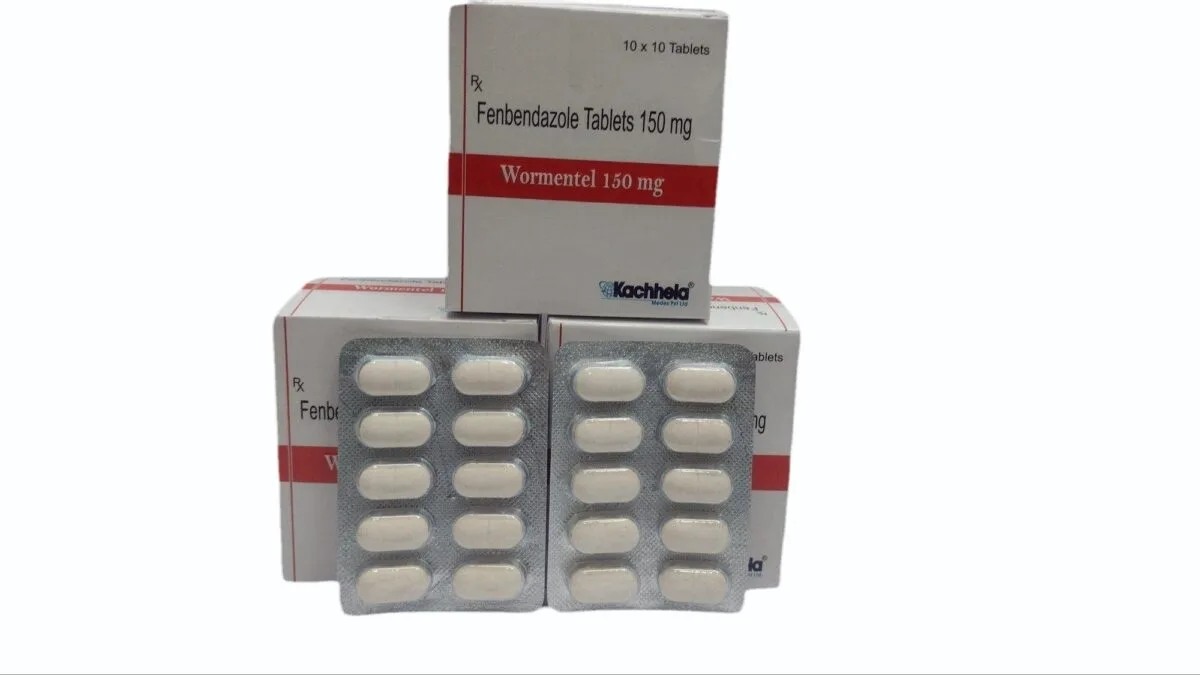
Fenbendazole Wormentel 150 mg: A Complete Guide for Effective Deworming

- Written By : dharmik dharmik
- Published on : December 15, 2025
- Last updated on : December 15, 2025
Parasitic worm infections are a common health concern in animals, particularly in pets and livestock. If left untreated, these parasites can lead to digestive problems, weight loss, poor growth, and overall weakness. One widely used and trusted solution for managing internal parasites is Fenbendazole Wormentel 150 mg. This deworming medication is known for its broad-spectrum effectiveness and safety when used correctly under veterinary guidance.
In this blog, we will explore what Fenbendazole Wormentel 150 mg is, how it works, its uses, benefits, safety profile, and proper administration, followed by a helpful FAQ section.
What Is Fenbendazole Wormentel 150 mg?
Fenbendazole Wormentel 150 mg is a veterinary anthelmintic (dewormer) formulated to treat and control a variety of intestinal parasites in animals. Fenbendazole belongs to the benzimidazole class of drugs, which are widely used in veterinary medicine due to their effectiveness and relatively low toxicity.
This medication is commonly prescribed for dogs, cats, and certain livestock animals, depending on veterinary recommendations. It is especially effective against gastrointestinal worms that interfere with digestion and nutrient absorption.
How Fenbendazole Works
Fenbendazole works by disrupting the energy metabolism of parasitic worms. It interferes with the parasite’s ability to absorb glucose, which is essential for its survival. Without energy, the worms gradually weaken, die, and are expelled from the animal’s body through normal digestive processes.
One of the key advantages of Fenbendazole is that it targets parasites without significantly affecting the host animal, making it a preferred choice for routine deworming programs.
Parasites Treated by Fenbendazole Wormentel 150 mg
Fenbendazole Wormentel 150 mg is effective against several common internal parasites, including:
- Roundworms (Toxocara species)
- Hookworms (Ancylostoma species)
- Whipworms (Trichuris species)
- Certain tapeworm species
- Some protozoal infections, such as Giardia (under veterinary direction)
Its broad-spectrum activity makes it suitable for both treatment and preventive deworming schedules.
Benefits of Fenbendazole Wormentel 150 mg
1. Broad-Spectrum Effectiveness
This medication treats multiple types of worms with a single product, reducing the need for multiple treatments.
2. High Safety Margin
Fenbendazole is considered one of the safer deworming agents when administered at the recommended dosage.
3. Suitable for Repeated Use
It can be used in routine deworming programs without significant risk when guided by a veterinarian.
4. Supports Overall Animal Health
By eliminating parasites, it helps improve digestion, nutrient absorption, weight maintenance, and energy levels.
5. Easy Administration
Fenbendazole Wormentel 150 mg is usually available in tablet or oral form, making it convenient for pet owners and livestock handlers.
Dosage and Administration
The dosage of Fenbendazole Wormentel 150 mg varies depending on the animal’s species, body weight, age, and type of infection. It is typically administered orally, either directly or mixed with food.
- Treatment may last 1 to 5 consecutive days, depending on the parasite involved.
- Some infections require repeat dosing after a specific interval.
- Always follow the veterinarian’s instructions or product label guidelines carefully.
Safety and Side Effects
Fenbendazole Wormentel 150 mg is generally well tolerated. However, like any medication, mild side effects may occasionally occur, including:
- Temporary diarrhea
- Mild vomiting
- Reduced appetite
- Lethargy (rare and usually short-lived)
Severe reactions are uncommon but should be addressed immediately by a veterinarian if they occur. Pregnant animals or very young animals should only receive this medication under professional supervision.
Storage and Handling
To maintain effectiveness and safety:
- Store in a cool, dry place
- Keep away from direct sunlight and moisture
- Keep out of reach of children and non-target animals
- Check the expiration date before use
Why Regular Deworming Matters
Internal parasites are not always visible, but they can cause long-term damage if untreated. Regular deworming with a trusted product like Fenbendazole Wormentel 150 mg helps:
- Prevent reinfection
- Improve growth and development
- Reduce parasite transmission
- Maintain overall animal well-being
A veterinarian can recommend a deworming schedule based on lifestyle, environment, and risk factors.
Frequently Asked Questions (FAQ)
1. What animals can use Fenbendazole Wormentel 150 mg?
It is commonly used for dogs, cats, and certain livestock animals. Always consult a veterinarian before use.
2. Is Fenbendazole Wormentel 150 mg safe?
Yes, when used at the recommended dosage, it has a high safety margin and is well tolerated by most animals.
3. How long does it take to work?
The medication begins working soon after administration, but complete parasite elimination may take several days.
4. Can it be given with food?
Yes, Fenbendazole is often given with food to improve acceptance and reduce stomach upset.
5. Do I need a prescription?
In many regions, Fenbendazole is available through veterinary channels. Regulations may vary, so check local guidelines.
6. Can puppies or kittens use this medication?
Yes, but only under veterinary guidance, as dosage and treatment duration must be carefully adjusted.
7. How often should deworming be done?
The frequency depends on the animal’s age, environment, and exposure risk. Your veterinarian can provide a tailored schedule.
Conclusion
Fenbendazole Wormentel 150 mg is a reliable and widely used deworming solution in veterinary care. Its broad-spectrum effectiveness, safety profile, and ease of use make it an essential part of parasite control programs for animals. When used responsibly and under professional guidance, it plays a crucial role in maintaining animal health and preventing parasitic complications.
For best results, always consult a qualified veterinarian before starting or adjusting any deworming treatment.
Table of Contents
Product categories
- AMOXICILLIN
- AZITHROMYCIN
- Cancer
- Cephalexin
- Ciprofloxacin
- CLENBUTEROL
- Colchicine
- Doxycycline
- Erectile Dysfunction
- FENBENDAZOLE & MEBENDAZONE
- Fluconazole
- Fluvoxamine
- Gabapentin
- General
- Generic Paxlovid
- Hdroxychloroquine
- Hormonal
- Infection
- Inhaler & Respules
- Ivermectin
- Low And High Dose Naltrexone
- Metronidazole
- OLANZAPINE & MIRTAZAPINE
- Other
- Pirfenidone
- PREDNISONE
- Psychiatric Medicine
- Skin Care
- Testosterone
- Thyroid
- Viral Care
- VITAMIN B12 & VITAMIN D3
- Weight Loss & Diabetic