

Blog
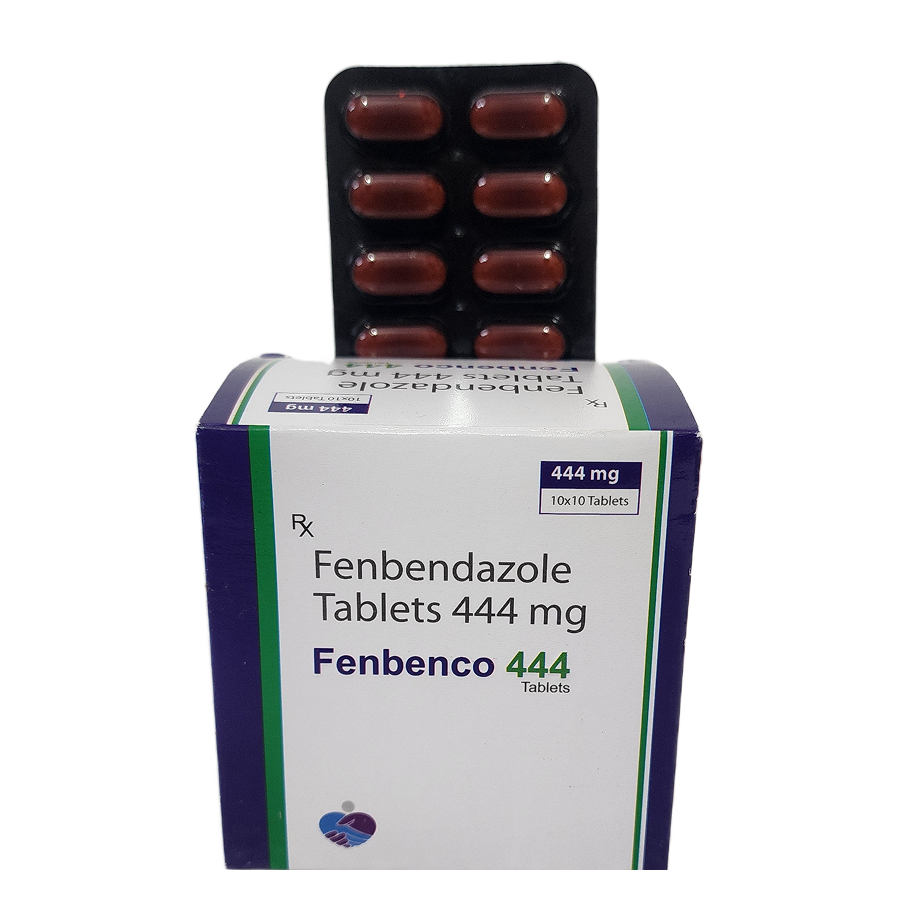
Fenbendazole 444 mg: Complete Guide to Uses, Dosage, Benefits & Safety

- Written By : dharmik dharmik
- Published on : December 11, 2025
- Last updated on : December 11, 2025
Fenbendazole 444 mg is one of the most widely used anthelmintic (deworming) medications in modern veterinary practice. Trusted by veterinarians for decades, this compound is known for its broad-spectrum action against internal parasites that commonly affect pets, farm animals, and various wildlife species. Whether you manage livestock, care for household pets, or work in animal health, understanding how Fenbendazole works—and how to use it safely—is essential.
This updated, polished guide covers everything you need to know about Fenbendazole 444 mg, including its uses, mechanism of action, dosage guidelines, safety information, forms available, and frequently asked questions.
What Is Fenbendazole 444 mg?
Fenbendazole is an anthelmintic drug belonging to the benzimidazole family. It works by disrupting essential metabolic functions in parasitic worms, ultimately killing them. Because of its effectiveness and safety profile, fenbendazole is widely used across species, including:
- Dogs
- Cats
- Cattle
- Sheep
- Goats
- Horses
- Rabbits and small mammals (under veterinary direction)
The 444 mg strength is commonly found in granules, powders, and oral formulations designed for larger animals or situations requiring precise medium-level dosing.
Fenbendazole is effective against a variety of internal parasites, including:
- Roundworms (Nematodes)
- Hookworms
- Whipworms
- Certain tapeworm species
- Giardia (in specific veterinary-directed treatments)
Its broad efficacy makes it a go-to medication in both routine deworming schedules and targeted parasite control.
How Fenbendazole Works
Fenbendazole targets parasites at the cellular level through a highly selective mechanism:
- Inhibits Microtubule Formation
Fenbendazole binds to tubulin, a protein vital for building microtubules within parasitic cells. - Prevents Nutrient Absorption
Because microtubules are essential for energy metabolism, parasites lose their ability to absorb glucose and essential nutrients. - Gradual Starvation of the Parasite
The worms are unable to maintain energy production and eventually die. - Minimal Impact on the Host
Fenbendazole is designed to be highly selective toward parasites, making it safe for host animals when administered correctly.
This unique mechanism is why fenbendazole continues to be one of the most reliable deworming agents in veterinary care.
Common Uses of Fenbendazole 444 mg
Fenbendazole 444 mg is used in a variety of real-world veterinary applications:
1. Deworming Companion Animals
Dogs and cats regularly encounter parasite exposure through soil, insects, feces, and contaminated environments. Fenbendazole is commonly prescribed to:
- eliminate active worm infestations
- support routine parasite prevention
- treat stubborn or recurring infections
2. Livestock Parasite Management
Farm animals are at high risk of parasitic infections that affect growth, weight gain, milk production, and overall health. Fenbendazole is used widely in:
- cattle
- sheep
- goats
- pigs
- poultry (in certain formulations)
3. Prevention of Parasite Transmission
Managing parasite loads in animals helps reduce the spread of zoonotic parasites—those that may affect humans—creating a safer environment for animal owners and farm workers.
4. Treatment of Giardia (Veterinary-directed)
Fenbendazole is sometimes used as part of a veterinarian-approved protocol for treating Giardia in dogs.
5. Off-Label Uses (Not for Humans)
Online discussions sometimes mention non-veterinary uses, but fenbendazole is not approved for human use, and any off-label application should only occur under veterinary or medical supervision.
Fenbendazole 444 mg Dosage Guidelines
Dosages vary depending on species, weight, age, and the type of parasite being treated. The following are general veterinarian-supported averages, not substitutes for professional guidance:
Dogs
- 50 mg/kg once daily
- Typically administered for 3–5 consecutive days
Cats
- Similar to dogs, though veterinarians may adjust dosage based on sensitivity and species differences.
Cattle
- 5–10 mg/kg
- Given as a single dose or repeated depending on infestation severity
Sheep & Goats
- 5 mg/kg
- Often a single oral dose, potentially repeated during outbreaks or severe cases
Horses
- Commonly administered in paste or granule form
- Dosage depends on weight and specific parasites
Important:
Never exceed recommended doses. Overdosing can lead to gastrointestinal upset or, in rare cases, toxicity.
Forms of Fenbendazole 444 mg
Fenbendazole is manufactured in several forms designed for ease of use:
- Oral Suspensions – ideal for small or young animals
- Granules and Powders – can be mixed with feed for livestock or dogs
- Chewable Tablets – optional forms for pets
- Paste Formulations – often used for horses
Always mix granules or powders thoroughly to ensure even dosage intake.
Benefits of Fenbendazole 444 mg
Fenbendazole stands out in veterinary medicine due to its numerous advantages:
✔ Broad-Spectrum Efficacy
Effective against multiple classes of internal parasites.
✔ High Safety Margin
Low toxicity when used correctly.
✔ Affordable and Accessible
Widely available and cost-effective compared to some newer medications.
✔ Improves Animal Well-Being
Helps prevent anemia, malnutrition, digestive issues, and overall health decline associated with parasites.
✔ Flexible Dosing Options
Multiple forms make administration easier across species.
Safety and Precautions
Fenbendazole is considered safe, but some precautions are important:
- Use under veterinary supervision only
- Avoid human ingestion—it is a veterinary medication
- Use cautiously in pregnant or lactating animals unless a vet approves
- Possible mild side effects may include vomiting, diarrhea, or reduced appetite
- Store properly in a cool, dry place
If an animal shows unusual reactions, contact a veterinarian promptly.
Frequently Asked Questions
1. Can all pets take Fenbendazole 444 mg?
Most pets can, but only with veterinary-approved dosing. Species, age, and weight matter.
2. How fast does Fenbendazole work?
Most parasites are eliminated within 3–5 days of treatment.
3. Can fenbendazole be used by humans?
No. Fenbendazole is not approved for human use and should not be self-administered.
4. Can it be combined with other medications?
Only with veterinary approval—some drugs may interact with fenbendazole.
Conclusion
Fenbendazole 444 mg remains one of the most trusted and effective deworming medications in veterinary practice. From household pets to large livestock, its broad-spectrum activity, safety profile, and affordability make it an essential tool for maintaining animal health. When used correctly and under veterinary supervision, fenbendazole helps prevent parasite-related diseases, supports animal growth, and promotes overall well-being.
For any parasite concerns or before beginning treatment, always consult a qualified veterinarian—they can tailor the correct dosage and schedule for your animal’s specific needs.
Table of Contents
Product categories
- AMOXICILLIN
- AZITHROMYCIN
- Cancer
- Cephalexin
- Ciprofloxacin
- CLENBUTEROL
- Colchicine
- Doxycycline
- Erectile Dysfunction
- FENBENDAZOLE & MEBENDAZONE
- Fluconazole
- Fluvoxamine
- Gabapentin
- General
- Generic Paxlovid
- Hdroxychloroquine
- Hormonal
- Infection
- Inhaler & Respules
- Ivermectin
- Low And High Dose Naltrexone
- Metronidazole
- OLANZAPINE & MIRTAZAPINE
- Other
- Pirfenidone
- PREDNISONE
- Psychiatric Medicine
- Skin Care
- Testosterone
- Thyroid
- Viral Care
- VITAMIN B12 & VITAMIN D3
- Weight Loss & Diabetic