

Blog
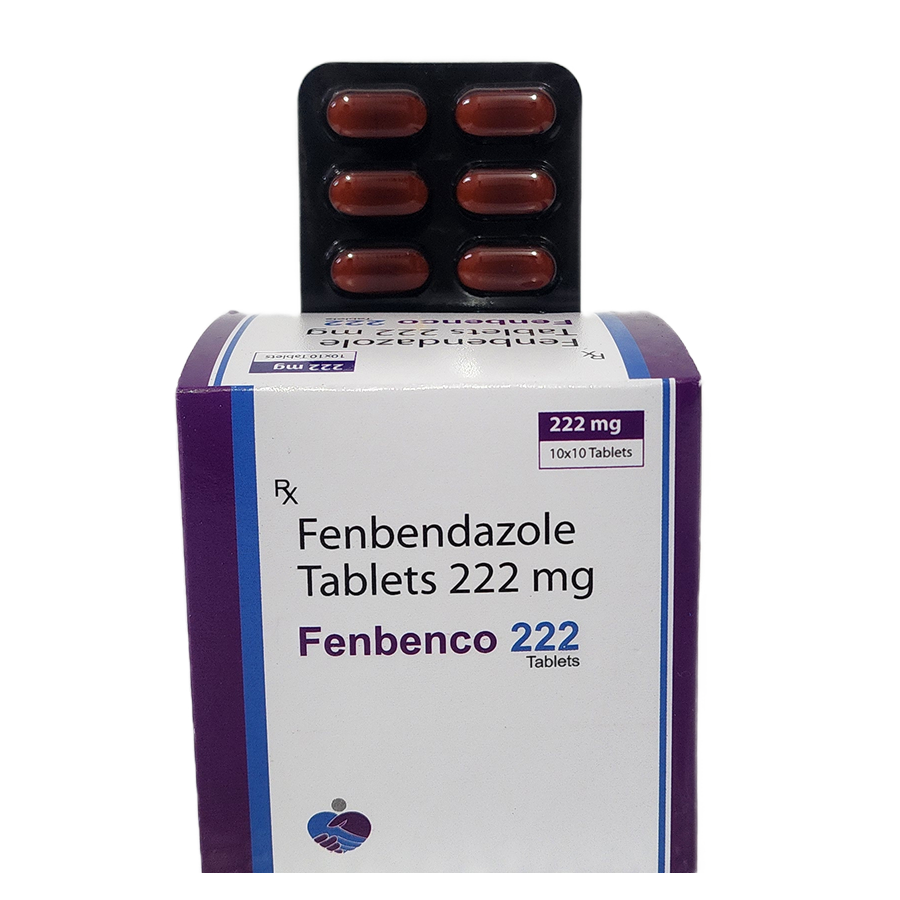
Fenbendazole 222 mg: Complete Veterinary Guide (Uses, Dosage, Safety & Benefits)

- Written By : dharmik dharmik
- Published on : December 11, 2025
- Last updated on : January 6, 2026
Fenbendazole 222 mg is one of the most widely used veterinary deworming medications, especially for dogs. Known for its broad-spectrum activity and excellent safety profile, it remains a trusted choice among veterinarians for treating common intestinal parasites.
In recent years it has gained attention online for non-approved purposes, but it’s important to understand that fenbendazole is strictly a veterinary medication. Its only validated use is for treating parasites in animals—not humans.
This updated guide covers everything pet owners should know, including how fenbendazole works, proper dosing, safe use, and when to consult a veterinarian.
What Is Fenbendazole 222 mg?
Fenbendazole 222 mg is a benzimidazole-class anthelmintic (dewormer) used to eliminate a wide range of intestinal parasites. The 222 mg strength is commonly found in chewable tablets or granules intended primarily for dogs and small animals.
Veterinarians often recommend fenbendazole because it is:
- Effective against multiple GI parasites
- Well-tolerated and safe at recommended doses
- Widely available without a prescription in many regions
- Suitable for routine deworming programs
Fenbendazole works by disrupting the parasite’s ability to produce energy, eventually causing the parasite to die and pass naturally through the stool.
Parasites Treated by Fenbendazole 222 mg
Fenbendazole 222 mg is effective against many common intestinal parasites, including:
1. Roundworms
- Toxocara canis
- Toxascaris leonina
2. Hookworms
- Ancylostoma caninum
- Uncinaria stenocephala
3. Whipworms
- Trichuris vulpis
4. Certain Tapeworms
- Taenia pisiformis
(Note: It does not treat flea tapeworms such as Dipylidium caninum. Another medication is needed for that.)
5. Protozoa (Veterinary Off-Label Use)
- Giardia (only under veterinary supervision)
This wide spectrum makes fenbendazole a practical choice for general and preventative deworming in dogs.
How Fenbendazole Works
Fenbendazole targets parasites at the cellular level by:
- Binding to β-tubulin
- Preventing microtubule formation
- Blocking nutrient uptake
- Causing starvation and death of the parasite
Because mammalian cells are less sensitive to this mechanism, fenbendazole is generally safe for pets when used correctly.
Fenbendazole 222 mg Dosage for Dogs
Always follow your veterinarian’s instructions, as dosing can vary based on age, weight, and the type of parasite.
Typical dosage guidelines:
22 mg per kg (10 mg per lb) once daily, for 3 consecutive days.
Examples of approximate doses:
- 10 lb (4.5 kg): 1 tablet (222 mg)
- 20 lb (9 kg): 2 tablets (222 mg each)
- 40 lb (18 kg): 4 tablets
Puppies, pregnant dogs, and dogs with underlying conditions may require modified dosing.
How to Administer Fenbendazole
- Give with food to improve absorption
- Mix tablets or granules into soft food
- Ensure your dog consumes the full dose
- Complete the full treatment course
- Practice careful hygiene—dispose of stool promptly to prevent re-infection
Parasites shed eggs in the environment, so cleanliness is essential.
How Fast Does Fenbendazole Work?
Most dogs begin to show improvement within 24–48 hours, but complete parasite removal generally occurs within 3–5 days.
More persistent infections, including whipworms and giardia, may require longer treatment under a vet’s supervision.
Is Fenbendazole Safe for Dogs?
Fenbendazole is considered very safe and has a wide safety margin. Mild, temporary side effects may include:
- Soft stool or diarrhea
- Vomiting
- Reduced appetite
- Low energy
These usually resolve on their own.
Avoid fenbendazole unless approved by a vet if your pet:
- Is pregnant
- Is under 6 weeks old
- Has liver or kidney disease
- Is taking other medications
Seek veterinary help immediately if you notice unusual or severe reactions.
Use in Other Animals
Fenbendazole is also used in:
- Cats
- Horses
- Rabbits
- Livestock
However, the 222 mg formulation is typically made for dogs. Other species often require different dosages, durations, or formulations.
Never give a dog-formulated product to another animal without veterinary approval.
Important Warning: Not for Human Use
Fenbendazole has been discussed online for unofficial human uses, particularly regarding cancer.
However:
- It is not approved for humans
- No clinical evidence supports these claims
- Veterinary medications can pose serious risks due to impurities and incorrect dosing
Human medical concerns should always be handled by licensed healthcare professionals.
Where to Buy Fenbendazole 222 mg
You can purchase fenbendazole from:
- Veterinary clinics
- Licensed pet pharmacies
- Reputable online pet-supply retailers
Always ensure the product is labeled, authentic, and not expired. Counterfeit animal medications are increasingly common online.
Storage & Handling
- Store in a cool, dry place
- Keep out of direct sunlight
- Keep away from children and pets
- Wash hands after handling
When to See a Veterinarian
Contact your vet if your dog experiences:
- Ongoing diarrhea or vomiting
- Weight loss
- Persistent or recurring worm infections
- Blood in stool
- Signs of dehydration
- Visible worms after treatment
Routine fecal exams—once or twice yearly—help keep your pet parasite-free.
Conclusion
Fenbendazole 222 mg is a trusted, broad-spectrum dewormer widely used to protect dogs from common intestinal parasites. When administered correctly and under veterinary guidance, it is safe, effective, and easy to use.
Table of Contents
Product categories
- AMOXICILLIN
- AZITHROMYCIN
- Cancer
- Cephalexin
- Ciprofloxacin
- CLENBUTEROL
- Colchicine
- Doxycycline
- Erectile Dysfunction
- FENBENDAZOLE & MEBENDAZONE
- Fluconazole
- Fluvoxamine
- Gabapentin
- General
- Generic Paxlovid
- Hdroxychloroquine
- Hormonal
- Infection
- Inhaler & Respules
- Ivermectin
- Low And High Dose Naltrexone
- Metronidazole
- OLANZAPINE & MIRTAZAPINE
- Other
- Pirfenidone
- PREDNISONE
- Psychiatric Medicine
- Skin Care
- Testosterone
- Thyroid
- Viral Care
- VITAMIN B12 & VITAMIN D3
- Weight Loss & Diabetic