

Blog
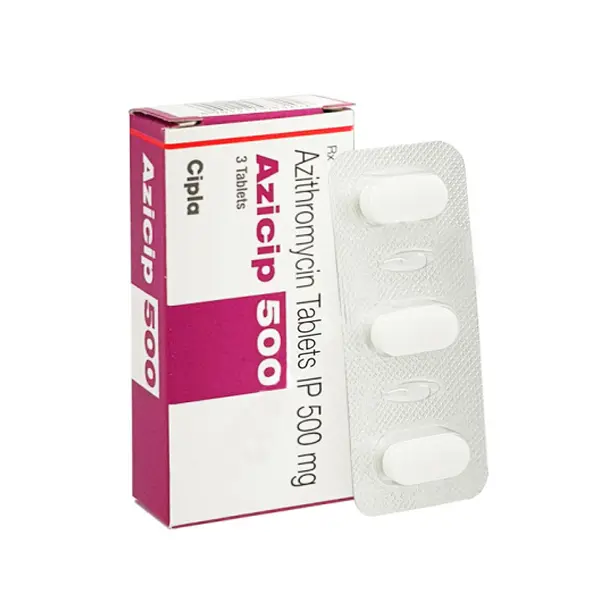
Azicip 500 mg: Uses, Benefits, Dosage, Side Effects, and Safety Information

- Written By : dharmik dharmik
- Published on : December 16, 2025
- Last updated on : December 16, 2025
Azicip 500 mg is a widely prescribed antibiotic medicine used to treat various bacterial infections. It contains Azithromycin, a well-known antibiotic that belongs to the macrolide group. Doctors often recommend Azicip 500 mg because of its effectiveness, shorter treatment duration, and relatively good tolerability among patients.
This blog provides detailed, easy-to-understand information about Azicip 500 mg, including its uses, how it works, dosage guidelines, possible side effects, precautions, and frequently asked questions. The content is written purely for educational purposes and does not replace professional medical advice.
What is Azicip 500 mg?
Azicip 500 mg is an antibiotic tablet that contains Azithromycin 500 mg as its active ingredient. Azithromycin works by stopping the growth of bacteria, helping the body’s immune system eliminate the infection.
It is commonly prescribed for infections affecting the respiratory tract, skin, ears, throat, and some sexually transmitted infections. Azicip 500 mg is effective against many types of bacteria but does not work against viral infections such as the common cold or flu.
How Does Azicip 500 mg Work?
Azicip 500 mg works by inhibiting bacterial protein synthesis. Bacteria require proteins to grow and multiply. By blocking this process, Azithromycin prevents bacteria from spreading, allowing the immune system to destroy the existing bacteria more effectively.
One of the major advantages of Azicip 500 mg is that it remains active in the body for a longer duration. This allows for shorter treatment courses, often requiring only 3 to 5 days of therapy, depending on the infection.
Uses of Azicip 500 mg
Azicip 500 mg is commonly used to treat the following bacterial infections:
- Respiratory tract infections such as bronchitis and pneumonia
- Ear infections (otitis media)
- Throat and tonsil infections
- Sinus infections
- Skin and soft tissue infections
- Certain sexually transmitted infections, such as uncomplicated chlamydia
- Dental infections, when caused by susceptible bacteria
Doctors prescribe this medication only when the infection is confirmed or strongly suspected to be bacterial.
Dosage and Administration
The dosage of Azicip 500 mg depends on the type and severity of the infection, as well as the patient’s age and medical condition.
General Dosage Guidelines:
- Most adults are prescribed 500 mg once daily
- Treatment duration usually ranges from 3 to 5 days
- In some infections, a single high dose or extended course may be advised
How to Take Azicip 500 mg:
- Take the tablet whole with water
- It can be taken with or without food
- Try to take it at the same time each day
- Complete the full course, even if symptoms improve early
Stopping the medicine too soon may lead to antibiotic resistance or recurrence of infection.
Possible Side Effects of Azicip 500 mg
Like all medicines, Azicip 500 mg may cause side effects in some individuals. Most side effects are mild and temporary.
Common Side Effects:
- Nausea
- Diarrhea
- Stomach pain
- Vomiting
- Headache
Less Common but Serious Side Effects:
- Severe allergic reactions (rash, swelling, breathing difficulty)
- Irregular heartbeat
- Severe diarrhea lasting several days
- Liver-related problems (yellowing of skin or eyes)
If any severe or unusual symptoms occur, medical attention should be sought immediately.
Precautions and Warnings
Before taking Azicip 500 mg, inform your doctor if you have:
- Liver or kidney disease
- Heart rhythm disorders
- A history of allergic reactions to antibiotics
- Myasthenia gravis
- Ongoing medications that may interact with Azithromycin
Important Safety Tips:
- Do not take Azicip 500 mg without a prescription
- Avoid alcohol if it causes stomach discomfort
- Do not share antibiotics with others
- Pregnant or breastfeeding women should consult a doctor before use
Drug Interactions
Azicip 500 mg may interact with certain medicines, including:
- Antacids containing aluminum or magnesium
- Blood thinners
- Heart rhythm medications
- Certain anti-epileptic drugs
Always provide a complete list of medications and supplements to your healthcare provider.
Storage Instructions
- Store at room temperature
- Keep away from moisture and direct sunlight
- Keep out of reach of children
- Do not use after the expiry date
Why Azicip 500 mg Is Commonly Prescribed
Azicip 500 mg is popular among healthcare providers due to:
- Short treatment duration
- Good tissue penetration
- Once-daily dosing
- Effective bacterial coverage
- Generally mild side effect profile
These features make it a convenient and reliable choice for many bacterial infections.
Frequently Asked Questions (FAQ)
1. Is Azicip 500 mg an antibiotic?
Yes, Azicip 500 mg is an antibiotic that contains Azithromycin, used to treat bacterial infections.
2. Can Azicip 500 mg treat viral infections?
No, it does not work against viral infections such as cold, flu, or COVID-19.
3. How long does Azicip 500 mg take to work?
Symptoms often begin to improve within 2–3 days, but the full course should always be completed.
4. Can I stop taking Azicip 500 mg once I feel better?
No, stopping early can cause the infection to return and may lead to antibiotic resistance.
5. Is Azicip 500 mg safe during pregnancy?
It should only be taken during pregnancy if prescribed by a doctor after evaluating risks and benefits.
6. Can Azicip 500 mg cause diarrhea?
Yes, mild diarrhea is a common side effect. Severe or persistent diarrhea should be reported to a doctor.
7. Can I take Azicip 500 mg with food?
Yes, it can be taken with or without food. Taking it with food may reduce stomach discomfort.
8. Is a prescription required for Azicip 500 mg?
Yes, Azicip 500 mg should only be used with a valid medical prescription.
Conclusion
Azicip 500 mg is a trusted and effective antibiotic used to treat a wide range of bacterial infections. Its convenient dosing schedule, strong antibacterial action, and generally good tolerability make it a preferred option for many healthcare professionals. However, responsible use is essential to ensure effectiveness and prevent antibiotic resistance.
Always follow your doctor’s instructions, complete the full course, and never use antibiotics without proper medical guidance. When used correctly, Azicip 500 mg can play a crucial role in managing bacterial infections safely and effectively.
Table of Contents
Product categories
- AMOXICILLIN
- AZITHROMYCIN
- Cancer
- Cephalexin
- Ciprofloxacin
- CLENBUTEROL
- Colchicine
- Doxycycline
- Erectile Dysfunction
- FENBENDAZOLE & MEBENDAZONE
- Fluconazole
- Fluvoxamine
- Gabapentin
- General
- Generic Paxlovid
- Hdroxychloroquine
- Hormonal
- Infection
- Inhaler & Respules
- Ivermectin
- Low And High Dose Naltrexone
- Metronidazole
- OLANZAPINE & MIRTAZAPINE
- Other
- Pirfenidone
- PREDNISONE
- Psychiatric Medicine
- Skin Care
- Testosterone
- Thyroid
- Viral Care
- VITAMIN B12 & VITAMIN D3
- Weight Loss & Diabetic