

Blog
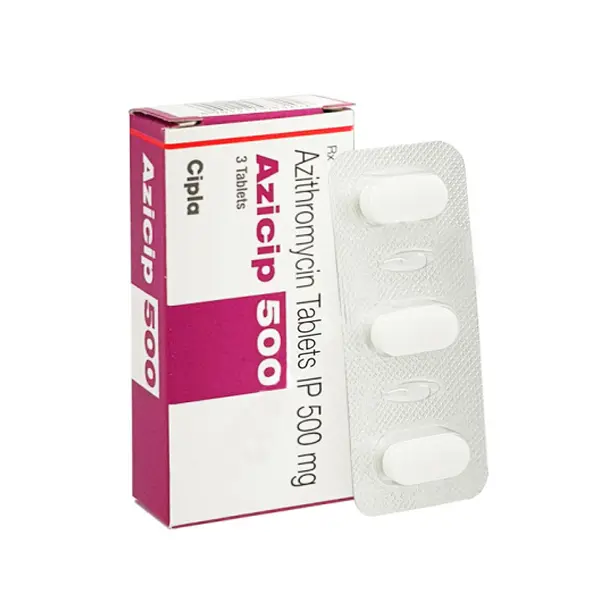
Azicip 500 mg: A Comprehensive Guide to Uses, Benefits, Dosage, and Safety

- Written By : dharmik dharmik
- Published on : December 16, 2025
- Last updated on : December 16, 2025
Antibiotics play an essential role in modern medicine by helping treat bacterial infections that, if left unmanaged, can lead to serious health complications. One such commonly prescribed antibiotic is Azicip 500 mg, a medication widely trusted by healthcare professionals for its effectiveness, convenience, and predictable safety profile. This article provides a detailed and easy-to-understand overview of Azicip 500 mg, including how it works, when it is prescribed, proper usage, possible side effects, precautions, and answers to frequently asked questions.
What Is Azicip 500 mg?
Azicip 500 mg is an antibiotic tablet that contains Azithromycin 500 mg as its active ingredient. Azithromycin belongs to a class of antibiotics known as macrolides, which are effective against a wide range of bacterial infections.
This medicine is commonly used to treat infections involving the respiratory tract, skin, ears, throat, sinuses, and certain sexually transmitted infections. It is important to note that Azicip 500 mg is designed specifically for bacterial infections and does not work against viruses such as those causing the common cold or influenza.
How Azicip 500 mg Works in the Body
Azicip 500 mg works by interfering with the bacteria’s ability to produce essential proteins. Bacteria rely on these proteins to grow, multiply, and survive. By blocking protein synthesis, Azithromycin stops the bacteria from spreading further, allowing the body’s immune system to eliminate the remaining infection more effectively.
One notable feature of Azicip 500 mg is its long-lasting presence in body tissues. Even after the last dose, the medication continues to act against bacteria for several days. This characteristic allows doctors to prescribe shorter treatment courses, often making it more convenient for patients compared to some other antibiotics.
Medical Uses of Azicip 500 mg
Azicip 500 mg may be prescribed for a variety of bacterial infections, including:
- Lower and upper respiratory tract infections such as bronchitis and pneumonia
- Throat infections, including tonsillitis and pharyngitis
- Ear infections (otitis media)
- Sinus infections
- Skin and soft tissue infections
- Certain sexually transmitted infections, such as uncomplicated chlamydia
- Dental infections caused by susceptible bacteria
Doctors determine the suitability of this medicine based on the type of infection, its severity, and the patient’s overall health condition.
Dosage and How to Take Azicip 500 mg
The exact dosage of Azicip 500 mg depends on several factors, including the nature of the infection and the patient’s medical history.
General Dosage Information:
- Adults are commonly prescribed 500 mg once daily
- The treatment course usually lasts 3 to 5 days
- Some infections may require a different dosing schedule as determined by a doctor
Administration Tips:
- Swallow the tablet whole with a glass of water
- It may be taken with or without food
- Taking it at the same time each day helps maintain consistent levels in the body
- Always complete the full prescribed course, even if symptoms improve early
Stopping antibiotics prematurely can increase the risk of infection recurrence and antibiotic resistance.
Possible Side Effects of Azicip 500 mg
Most individuals tolerate Azicip 500 mg well, but like all medications, it may cause side effects in some people.
Common Side Effects:
- Nausea
- Loose stools or diarrhea
- Abdominal discomfort
- Mild headache
- Vomiting
These effects are usually temporary and resolve on their own.
Rare but Serious Side Effects:
- Severe allergic reactions such as rash, itching, swelling, or breathing difficulty
- Irregular heartbeat or palpitations
- Persistent or severe diarrhea
- Signs of liver problems, such as yellowing of the eyes or skin
If any severe or unusual symptoms occur, immediate medical attention is necessary.
Precautions and Safety Considerations
Before starting Azicip 500 mg, patients should inform their doctor about any existing medical conditions or medications.
Inform Your Doctor If You Have:
- Liver or kidney disease
- Heart rhythm disorders
- A history of antibiotic allergies
- Myasthenia gravis
- Ongoing treatment with medications that may interact with Azithromycin
Additional Safety Advice:
- Do not self-medicate or share antibiotics with others
- Avoid alcohol if it worsens stomach discomfort
- Use caution during pregnancy or breastfeeding—only take if prescribed
- Follow medical instructions strictly for safe and effective treatment
Drug Interactions to Be Aware Of
Azicip 500 mg may interact with certain medications, potentially affecting how it works or increasing side effects. These include:
- Antacids containing aluminum or magnesium
- Blood-thinning medications
- Medicines used for heart rhythm disorders
- Certain anti-seizure drugs
Always provide your healthcare provider with a complete list of medicines, supplements, and herbal products you are taking.
Storage Guidelines
To maintain the effectiveness of Azicip 500 mg:
- Store at room temperature
- Keep away from heat, moisture, and direct sunlight
- Keep out of reach of children
- Do not use tablets after the expiration date
Why Doctors Commonly Prescribe Azicip 500 mg
Azicip 500 mg is frequently chosen due to several advantages:
- Once-daily dosing for better patient compliance
- Short treatment duration
- Good penetration into body tissues
- Broad antibacterial coverage
- Generally well-tolerated by most patients
These factors make it a practical and reliable option for managing many bacterial infections.
Frequently Asked Questions (FAQ)
1. Is Azicip 500 mg a strong antibiotic?
Yes, it is considered an effective antibiotic for many common bacterial infections when used appropriately.
2. Can Azicip 500 mg be used for cold or flu?
No. It does not treat viral infections such as cold, flu, or viral fever.
3. How soon can improvement be noticed?
Many patients notice symptom improvement within 2–3 days, but the full course must still be completed.
4. What happens if I miss a dose?
Take it as soon as you remember. If it is almost time for the next dose, skip the missed one and continue normally.
5. Can Azicip 500 mg cause stomach problems?
Mild stomach discomfort or diarrhea may occur, but serious digestive issues are uncommon.
6. Is Azicip 500 mg safe for elderly patients?
Yes, when prescribed by a doctor with appropriate monitoring.
7. Can I stop the medicine once symptoms disappear?
No. Stopping early may lead to incomplete treatment and bacterial resistance.
8. Is a prescription required for Azicip 500 mg?
Yes, it should only be taken under medical supervision.
Conclusion
Azicip 500 mg is a widely used and dependable antibiotic for treating various bacterial infections. Its convenient dosing schedule, effective action, and relatively mild side-effect profile make it a preferred choice among healthcare professionals. However, responsible use is essential to ensure safety and prevent antibiotic resistance.
Always take Azicip 500 mg exactly as prescribed, complete the full course, and consult a healthcare provider for any concerns. When used correctly, it remains a valuable tool in managing bacterial infections safely and effectively.
Table of Contents
Product categories
- AMOXICILLIN
- AZITHROMYCIN
- Cancer
- Cephalexin
- Ciprofloxacin
- CLENBUTEROL
- Colchicine
- Doxycycline
- Erectile Dysfunction
- FENBENDAZOLE & MEBENDAZONE
- Fluconazole
- Fluvoxamine
- Gabapentin
- General
- Generic Paxlovid
- Hdroxychloroquine
- Hormonal
- Infection
- Inhaler & Respules
- Ivermectin
- Low And High Dose Naltrexone
- Metronidazole
- OLANZAPINE & MIRTAZAPINE
- Other
- Pirfenidone
- PREDNISONE
- Psychiatric Medicine
- Skin Care
- Testosterone
- Thyroid
- Viral Care
- VITAMIN B12 & VITAMIN D3
- Weight Loss & Diabetic