

Blog
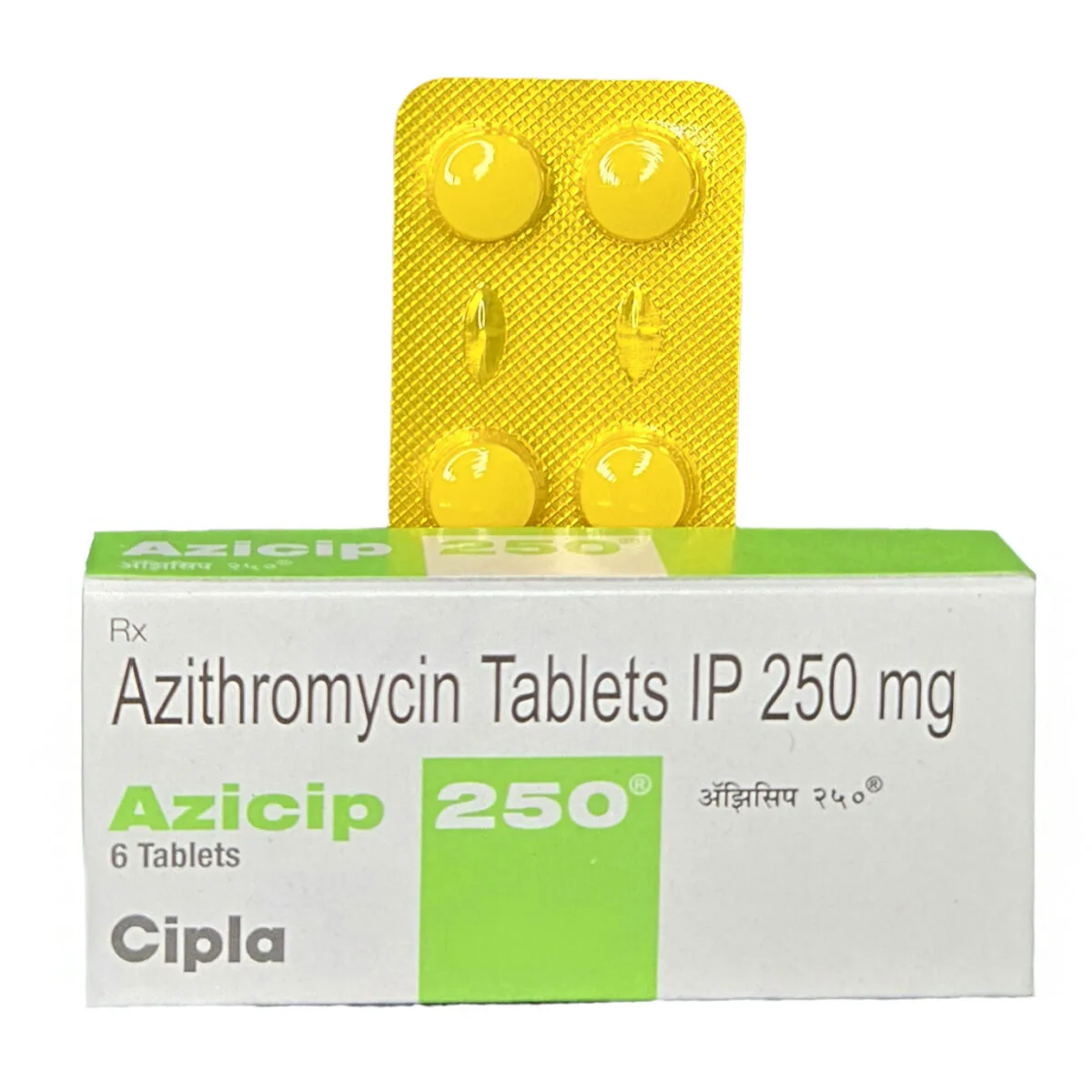
Azicip 250 mg Tablet: Complete Information on Uses, Dosage, Safety, and FAQs

- Written By : dharmik dharmik
- Published on : December 16, 2025
- Last updated on : December 16, 2025
Azicip 250 mg is a prescription antibiotic medicine that is widely used in medical practice to treat bacterial infections. Doctors often recommend it due to its proven effectiveness, shorter treatment duration, and convenient once-daily dosing. When taken correctly and under professional guidance, Azicip 250 mg helps control infections efficiently while minimizing complications.
This article offers a fresh and comprehensive guide to Azicip 250 mg, explaining its composition, medical uses, mechanism of action, dosage instructions, possible side effects, safety precautions, and frequently asked questions.
What Is Azicip 250 mg?
Azicip 250 mg is an antibiotic tablet that contains azithromycin as its active component. Azithromycin belongs to a class of antibiotics known as macrolides, which are designed to slow down and stop the growth of bacteria responsible for infections.
This medicine is available only with a doctor’s prescription and is selected when infections are caused by bacteria that are known to respond to azithromycin treatment.
Medical Uses of Azicip 250 mg
Azicip 250 mg is prescribed for treating several bacterial infections across different systems of the body. Common conditions for which it may be recommended include:
Respiratory System Infections
- Mild to moderate pneumonia
- Bronchitis
- Infections of the lower respiratory tract
Ear, Nose, and Throat Infections
- Sore throat caused by bacteria
- Tonsil infections
- Sinus infections
- Middle ear infections
Skin and Tissue Infections
- Infected cuts or wounds
- Bacterial skin infections
- Mild soft tissue infections
Sexually Transmitted Infections
In specific cases, Azicip may be used to treat certain sexually transmitted bacterial infections, as determined by a healthcare professional.
How Azicip 250 mg Works
Azicip 250 mg works by targeting the bacteria’s ability to make proteins that are essential for their survival. Without these proteins, bacteria cannot multiply or spread, allowing the immune system to gradually clear the infection.
One of the unique properties of azithromycin is its ability to stay active in body tissues for a longer period. Because of this, the medicine continues to work even after the last dose, which is why treatment courses are usually shorter compared to many other antibiotics.
How to Take Azicip 250 mg Correctly
The dosage and length of treatment with Azicip 250 mg depend on several factors, including the type of infection and the patient’s overall health. Always follow your doctor’s instructions carefully.
General Instructions for Use
- Usually taken once a day
- Can be taken with or without meals
- Swallow the tablet whole with water
- Do not crush, break, or chew the tablet
- Try to take it at the same time each day
Completing the full course is extremely important, even if symptoms improve before the medicine is finished. Stopping early can allow bacteria to survive and cause the infection to return.
Benefits of Azicip 250 mg
Azicip 250 mg offers several advantages when used appropriately:
- Effective against a wide range of bacteria
- Short treatment duration
- Simple once-daily dosing
- Good penetration into infected tissues
- Generally well tolerated by most patients
These benefits make it a preferred antibiotic choice for many common infections.
Possible Side Effects of Azicip 250 mg
While Azicip 250 mg is generally safe when used as prescribed, some individuals may experience side effects.
Common Side Effects
- Mild nausea
- Stomach discomfort
- Loose stools
- Headache
- Light dizziness
These effects usually resolve on their own without the need for medical intervention.
Uncommon but Serious Side Effects
- Skin rashes or itching due to allergic reactions
- Severe diarrhea lasting several days
- Yellowing of eyes or skin
- Heart rhythm disturbances in susceptible individuals
If any serious or unusual symptoms appear, seek medical attention promptly.
Precautions Before Using Azicip 250 mg
Before starting treatment, inform your doctor if you:
- Have liver or kidney-related conditions
- Have experienced allergies to antibiotics in the past
- Have heart rhythm disorders
- Are pregnant, planning pregnancy, or breastfeeding
- Are taking other medications or supplements
Antacids containing aluminum or magnesium may reduce the absorption of azithromycin. A time gap between these medicines is usually advised.
Drug Interactions to Be Aware Of
Azicip 250 mg may interact with certain medications, including:
- Antacids
- Blood-thinning medicines
- Heart rhythm medications
Always share a complete list of medicines you are currently taking with your healthcare provider.
Importance of Using Antibiotics Responsibly
Improper use of antibiotics contributes to antibiotic resistance, a serious global health concern. Taking antibiotics without prescription, skipping doses, or stopping treatment early can make bacteria resistant and harder to treat in the future.
Using Azicip 250 mg responsibly helps ensure its continued effectiveness for you and others.
Storage Guidelines
- Store at room temperature
- Protect from moisture and heat
- Keep away from direct sunlight
- Keep out of reach of children
- Do not use expired tablets
Frequently Asked Questions (FAQs)
1. Can Azicip 250 mg be taken daily?
Yes, it is typically taken once daily for the duration prescribed by your doctor.
2. Is Azicip safe for elderly patients?
It may be prescribed to elderly patients, but extra caution is taken if there are heart or liver concerns.
3. Can Azicip cause diarrhea?
Yes, mild diarrhea may occur. However, severe or persistent diarrhea should be reported to a doctor.
4. Can Azicip be taken during pregnancy?
It should only be used during pregnancy if clearly advised by a healthcare professional.
5. What happens if I miss a dose?
Take it as soon as you remember unless it is nearly time for the next dose. Do not double the dose.
Conclusion
Azicip 250 mg is a trusted antibiotic that plays a vital role in treating bacterial infections when used correctly. Its targeted action, convenient dosing, and good safety profile make it a valuable treatment option in modern medicine.
However, it is essential to remember that antibiotics should never be self-prescribed. Always consult a qualified healthcare professional, follow the prescribed course, and report any concerning symptoms promptly for safe and effective treatment.
Table of Contents
Product categories
- AMOXICILLIN
- AZITHROMYCIN
- Cancer
- Cephalexin
- Ciprofloxacin
- CLENBUTEROL
- Colchicine
- Doxycycline
- Erectile Dysfunction
- FENBENDAZOLE & MEBENDAZONE
- Fluconazole
- Fluvoxamine
- Gabapentin
- General
- Generic Paxlovid
- Hdroxychloroquine
- Hormonal
- Infection
- Inhaler & Respules
- Ivermectin
- Low And High Dose Naltrexone
- Metronidazole
- OLANZAPINE & MIRTAZAPINE
- Other
- Pirfenidone
- PREDNISONE
- Psychiatric Medicine
- Skin Care
- Testosterone
- Thyroid
- Viral Care
- VITAMIN B12 & VITAMIN D3
- Weight Loss & Diabetic