

Blog
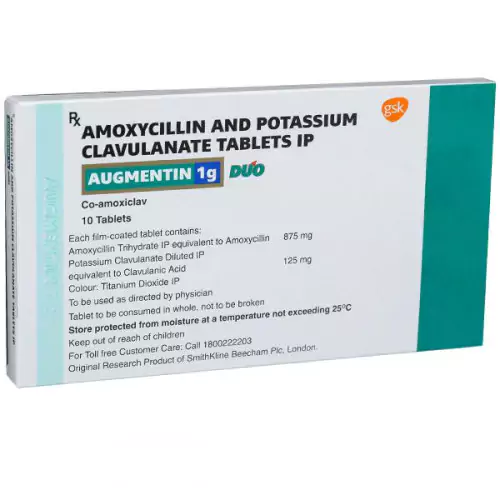
Augmentin 1g: Uses, Benefits, Dosage, Side Effects, and Safety Information

- Written By : dharmik dharmik
- Published on : December 16, 2025
- Last updated on : December 16, 2025
Augmentin 1g is a widely prescribed antibiotic used to treat a variety of bacterial infections. Doctors across the world rely on this medication because of its broad-spectrum effectiveness and reliable safety profile when used correctly. This blog provides a detailed, easy-to-understand overview of Augmentin 1g, including how it works, its uses, dosage guidance, possible side effects, precautions, and frequently asked questions.
What Is Augmentin 1g?
Augmentin 1g is a combination antibiotic that contains two active ingredients:
- Amoxicillin (875 mg) – a penicillin-type antibiotic that stops the growth of bacteria
- Clavulanic Acid (125 mg) – a beta-lactamase inhibitor that helps prevent bacterial resistance
This combination makes Augmentin more effective than amoxicillin alone, especially against bacteria that have developed resistance to standard antibiotics.
Augmentin 1g is commonly available as a tablet and is usually taken orally with food.
How Does Augmentin 1g Work?
Bacteria survive by building protective cell walls. Amoxicillin works by disrupting the formation of these cell walls, causing the bacteria to weaken and die. However, some bacteria produce enzymes called beta-lactamases that can destroy amoxicillin before it works.
Clavulanic acid blocks these enzymes, allowing amoxicillin to remain active and effective. Together, they create a powerful defense against bacterial infections.
Uses of Augmentin 1g
Augmentin 1g is prescribed to treat many moderate to severe bacterial infections, including:
1. Respiratory Tract Infections
- Sinusitis
- Bronchitis
- Pneumonia
- Throat and tonsil infections
2. Ear, Nose, and Throat (ENT) Infections
- Middle ear infections (otitis media)
- Severe sore throat caused by bacteria
3. Skin and Soft Tissue Infections
- Cellulitis
- Infected wounds
- Abscesses
4. Urinary Tract Infections (UTIs)
- Bladder infections
- Kidney-related bacterial infections
5. Dental Infections
- Tooth abscess
- Gum infections following dental procedures
Augmentin 1g should only be used for bacterial infections, not viral illnesses like the common cold or flu.
Dosage and Administration
The typical dosage of Augmentin 1g depends on the patient’s age, weight, medical condition, and severity of infection.
General Adult Dosage
- One tablet (1g) every 12 hours, usually for 5 to 10 days
Important Dosage Tips
- Always take Augmentin with food to reduce stomach upset
- Swallow the tablet whole with water
- Do not skip doses or stop early, even if symptoms improve
- Complete the full course to prevent antibiotic resistance
Dosage for children, elderly patients, or those with kidney problems should be determined by a healthcare professional.
Possible Side Effects of Augmentin 1g
Like all medications, Augmentin 1g may cause side effects, although not everyone experiences them.
Common Side Effects
- Nausea
- Diarrhea
- Stomach pain
- Headache
- Mild skin rash
These effects are usually temporary and improve as the body adjusts to the medicine.
Less Common but Serious Side Effects
- Severe allergic reactions (swelling of face or throat, difficulty breathing)
- Persistent diarrhea or bloody stools
- Yellowing of skin or eyes (liver-related issues)
- Severe skin reactions
If any serious symptoms occur, medical attention should be sought immediately.
Precautions and Warnings
Before taking Augmentin 1g, inform your doctor if you have:
- A history of allergy to penicillin or cephalosporin antibiotics
- Liver or kidney disease
- Mononucleosis (viral infection)
- Previous antibiotic-related diarrhea
Pregnancy and Breastfeeding
Augmentin is generally considered safe during pregnancy and breastfeeding when prescribed by a doctor. However, it should only be used when clearly needed.
Alcohol Use
While alcohol does not directly interfere with Augmentin, it may worsen side effects like nausea or dizziness. Limiting alcohol intake is recommended during treatment.
Drug Interactions
Augmentin 1g may interact with certain medications, such as:
- Blood thinners (e.g., warfarin)
- Allopurinol
- Methotrexate
- Oral contraceptives (effectiveness may be reduced)
Always provide your doctor with a complete list of medicines and supplements you are taking.
Storage Instructions
- Store at room temperature
- Keep away from heat and moisture
- Keep out of reach of children
- Do not use after the expiration date
Why Augmentin 1g Is Commonly Prescribed
Doctors often choose Augmentin 1g because it:
- Covers a wide range of bacteria
- Works effectively against resistant strains
- Has a well-studied safety profile
- Is suitable for both hospital and home treatment
When used responsibly, Augmentin remains a reliable and effective antibiotic option.
Frequently Asked Questions (FAQ)
1. Can Augmentin 1g be taken on an empty stomach?
It is best taken with food to reduce stomach irritation and improve absorption.
2. How long does Augmentin 1g take to work?
Many patients begin to feel improvement within 48 to 72 hours, but the full course must be completed.
3. Can I stop taking Augmentin if I feel better?
No. Stopping early may cause the infection to return and contribute to antibiotic resistance.
4. Is Augmentin 1g safe for children?
Yes, but the dosage must be adjusted and prescribed by a doctor based on the child’s weight and age.
5. Does Augmentin 1g treat viral infections?
No. It is effective only against bacterial infections, not viruses like colds or flu.
6. What should I do if I miss a dose?
Take it as soon as you remember. If it is close to the next dose, skip the missed dose—do not double up.
7. Can Augmentin cause diarrhea?
Yes, mild diarrhea is common. However, severe or persistent diarrhea should be reported to a doctor.
Conclusion
Augmentin 1g is a powerful and trusted antibiotic used to treat a wide range of bacterial infections. Its combination of amoxicillin and clavulanic acid makes it especially effective against resistant bacteria. When taken as prescribed, it offers safe and reliable results. Always follow medical advice, complete the full course, and consult a healthcare professional if any concerns arise during treatment.
Table of Contents
Product categories
- AMOXICILLIN
- AZITHROMYCIN
- Cancer
- Cephalexin
- Ciprofloxacin
- CLENBUTEROL
- Colchicine
- Doxycycline
- Erectile Dysfunction
- FENBENDAZOLE & MEBENDAZONE
- Fluconazole
- Fluvoxamine
- Gabapentin
- General
- Generic Paxlovid
- Hdroxychloroquine
- Hormonal
- Infection
- Inhaler & Respules
- Ivermectin
- Low And High Dose Naltrexone
- Metronidazole
- OLANZAPINE & MIRTAZAPINE
- Other
- Pirfenidone
- PREDNISONE
- Psychiatric Medicine
- Skin Care
- Testosterone
- Thyroid
- Viral Care
- VITAMIN B12 & VITAMIN D3
- Weight Loss & Diabetic