

Blog
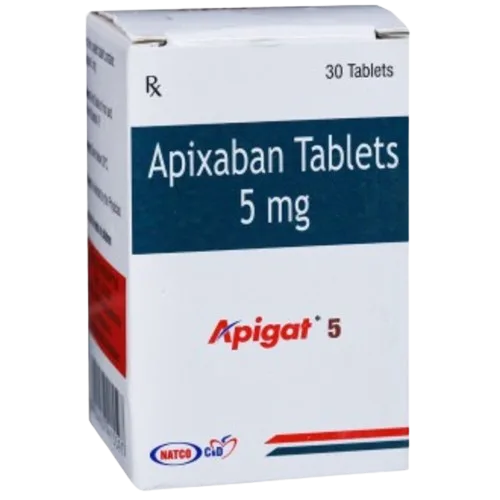
Apixaban 5 mg: Uses, Benefits, Dosage, Side Effects, and Safety Guide

- Written By : dharmik dharmik
- Published on : December 11, 2025
- Last updated on : December 11, 2025
Apixaban 5 mg is one of the most commonly prescribed oral anticoagulants (blood thinners) used worldwide to prevent and treat blood clots. It belongs to a class of medicines called Factor Xa inhibitors, which work by reducing the blood’s ability to form harmful clots. These clots can block major blood vessels and lead to serious medical emergencies such as stroke, deep vein thrombosis (DVT), and pulmonary embolism (PE).
Often recognized under the brand name Eliquis, Apixaban is also available as a generic medication in many regions. In this comprehensive guide, you’ll learn everything you need to know about Apixaban 5 mg its uses, standard dosage, mechanism, safety precautions, and potential side effects—explained in an easy and reliable manner.
What Is Apixaban 5 mg?
Apixaban is an oral anticoagulant designed to prevent blood clots from forming too easily. While blood clotting is a natural and essential process, it becomes dangerous when clots occur inside blood vessels without an injury. Such clots can obstruct blood flow and harm vital organs.
Apixaban works by selectively inhibiting Factor Xa, a key enzyme involved in producing thrombin—the compound responsible for forming fibrin (the structure of a blood clot). By targeting this enzyme, Apixaban decreases the body’s ability to produce clots, thereby reducing the risk of life-threatening complications.
The 5 mg strength is the most commonly used dose for adults in many clinical situations unless a dose adjustment is required due to age, kidney function, or body weight.
When Is Apixaban 5 mg Prescribed?
Apixaban 5 mg is widely used for a range of clot-related medical conditions. The most common indications include:
1. Preventing Stroke in Non-Valvular Atrial Fibrillation (AFib)
Atrial fibrillation is an irregular heart rhythm that increases the chances of blood clots forming in the heart. These clots may travel to the brain and cause a stroke.
For most adults with AFib (without heart valve disease), the typical dose is:
→ 5 mg taken twice daily
This significantly lowers the risk of stroke and systemic embolism.
2. Treatment of Deep Vein Thrombosis (DVT) and Pulmonary Embolism (PE)
- DVT is a clot that forms in the deep veins—usually in the legs.
- PE occurs when part of a clot breaks off and reaches the lungs.
Apixaban helps dissolve existing clots and prevents new ones from forming.
Typical treatment regimen:
- 10 mg twice daily for the first 7 days
- Followed by 5 mg twice daily
3. Preventing Recurrence of DVT and PE
After completing initial treatment, some individuals may require extended therapy to prevent future clot formation. Apixaban 5 mg twice daily is often continued based on a doctor’s recommendation.
4. Prevention of Clots After Hip or Knee Replacement Surgery
People undergoing major joint surgery have a higher risk of blood clots. Although the 2.5 mg dose is usually used for this purpose, Apixaban is still one of the preferred medications for postoperative clot prevention.
How to Take Apixaban 5 mg: Recommended Dosage
The appropriate dosage depends on the medical condition and the patient’s overall health.
Standard Adult Dosages
- Non-valvular AFib:
5 mg twice daily - DVT/PE treatment:
10 mg twice daily for 7 days, then 5 mg twice daily - Prevention of recurrent DVT/PE:
5 mg twice daily, based on medical evaluation
When Is Dose Adjustment Needed?
Some individuals may require a reduced dose of 2.5 mg twice daily if they meet two or more of the following conditions:
- Age 80 years or older
- Body weight 60 kg or less
- Reduced kidney function (assessed by a healthcare provider)
Administration Tips
- Can be taken with or without food
- Tablets may be crushed and mixed with water or applesauce if swallowing is difficult
- Try to take doses at the same time each day
- If you miss a dose, take it as soon as possible on the same day
How Does Apixaban Work? (Mechanism of Action)
Apixaban selectively blocks Factor Xa, an enzyme critical to the clotting pathway. By stopping Factor Xa, the medication:
- Prevents the formation of thrombin
- Reduces the development of fibrin (the main component of clots)
- Lowers the likelihood of dangerous clots
Unlike older anticoagulants such as warfarin, Apixaban does not require routine blood tests like INR monitoring and has fewer dietary restrictions.
Possible Side Effects of Apixaban 5 mg
While Apixaban is generally well-tolerated, the main risk relates to bleeding, since the medication reduces clotting ability.
Common and Mild Side Effects
- Easy bruising
- Nosebleeds
- Bleeding gums
- Prolonged bleeding from cuts
- Nausea or stomach discomfort
- Mild anemia from long-term minor bleeding
These side effects are usually manageable but should still be mentioned to a healthcare provider.
Serious Side Effects — Seek Emergency Care
- Blood in urine (pink, red, or brown)
- Black or tarry stools
- Vomiting blood or material that looks like coffee grounds
- Severe headaches, weakness, or dizziness
- Unusual or severe bruising
- Difficulty breathing or swelling of the face (possible allergic reaction)
Who Should Avoid or Use Apixaban with Caution?
Apixaban may not be suitable for people who have:
- Active bleeding
- Severe liver disease
- Certain medication interactions (e.g., strong antifungals, HIV drugs, some anticonvulsants)
- A history of bleeding disorders
- Mechanical heart valves (other anticoagulants are usually preferred)
Pregnant or breastfeeding individuals should consult a doctor before using Apixaban.
Precautions While Taking Apixaban 5 mg
To use Apixaban safely:
- Take the medication exactly as prescribed
- Inform your doctor before any dental or surgical procedures
- Avoid medications that increase bleeding risk (some NSAIDs or antiplatelets) unless advised
- Do not suddenly stop the medication without medical guidance
- Monitor for any signs of bleeding
- Avoid activities with high injury risk if possible
Why Apixaban 5 mg Is Widely Preferred
Key Benefits
- Strong clinical evidence for stroke prevention and clot treatment
- No routine INR monitoring required
- Predictable and steady anticoagulation
- Lower risk of major bleeding compared to some older anticoagulants
- Convenient twice-daily dosing
Things to Consider
- Bleeding risk exists with all anticoagulants
- Must be taken consistently
- Not suitable for severe kidney or liver impairment
Conclusion
Apixaban 5 mg is a highly effective anticoagulant used to prevent potentially life-threatening complications such as stroke, DVT, and pulmonary embolism. When taken correctly and monitored appropriately, it offers significant benefits with a manageable safety profile.
Because Apixaban affects the body’s natural clotting system, it is essential to use it under the guidance of a healthcare professional. Never start, stop, or change your dosage without medical advice.
Frequently Asked Questions (FAQs)
1. What is Apixaban 5 mg used for?
- Stroke prevention in non-valvular AFib
- Treatment of DVT and PE
- Prevention of recurrent blood clots
- Prevention of clots after hip or knee replacement surgery
2. How should I take Apixaban?
- Typically twice daily, with or without food
- If you miss a dose, take it on the same day—do not double your next dose
3. What are common side effects?
Bruising, nosebleeds, mild bleeding, nausea, or stomach discomfort.
4. Who should avoid Apixaban?
People with active bleeding, severe liver disease, certain drug interactions, or who are pregnant/breastfeeding without medical advice.
5. Can Apixaban interact with other medications?
Yes. Some antibiotics, antifungals, seizure medicines, and herbal supplements (like St. John’s wort) may interfere. Always share your full medication list with your doctor.
Table of Contents
Product categories
- AMOXICILLIN
- AZITHROMYCIN
- Cancer
- Cephalexin
- Ciprofloxacin
- CLENBUTEROL
- Colchicine
- Doxycycline
- Erectile Dysfunction
- FENBENDAZOLE & MEBENDAZONE
- Fluconazole
- Fluvoxamine
- Gabapentin
- General
- Generic Paxlovid
- Hdroxychloroquine
- Hormonal
- Infection
- Inhaler & Respules
- Ivermectin
- Low And High Dose Naltrexone
- Metronidazole
- OLANZAPINE & MIRTAZAPINE
- Other
- Pirfenidone
- PREDNISONE
- Psychiatric Medicine
- Skin Care
- Testosterone
- Thyroid
- Viral Care
- VITAMIN B12 & VITAMIN D3
- Weight Loss & Diabetic