
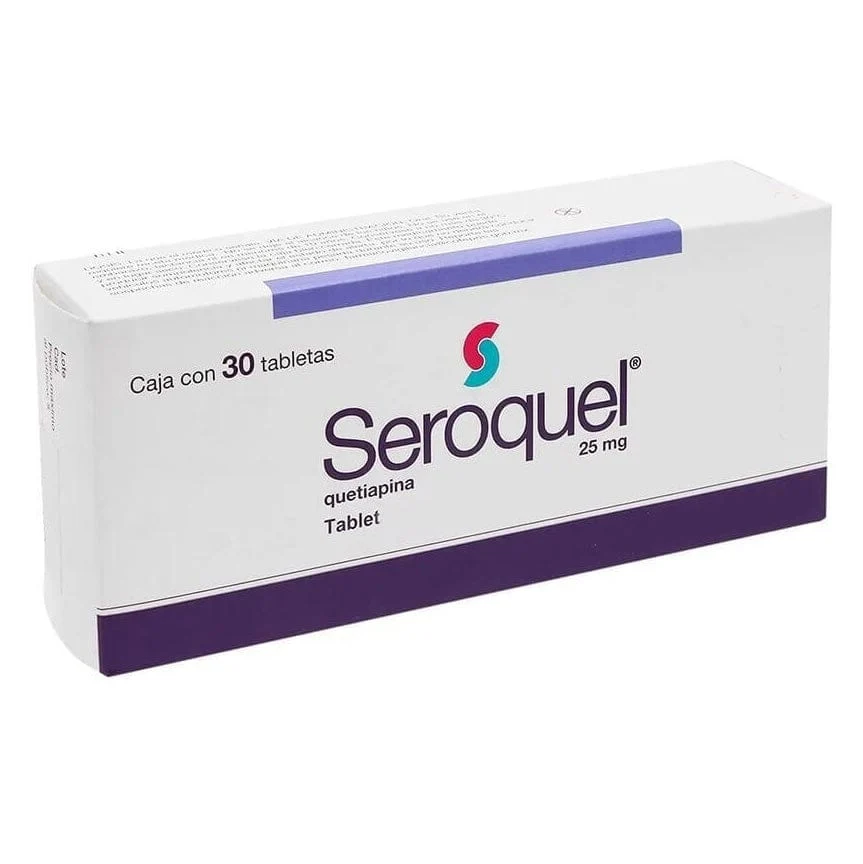
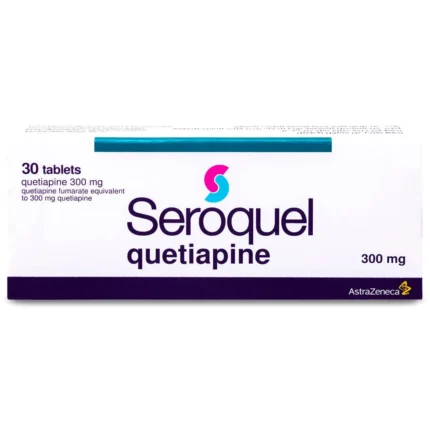

Seroquel 25 mg
Price range: $300.00 through $600.00
| Quantity Value | Price | Price/Unit | Quantity | Add To Cart |
|---|---|---|---|---|
| 100 Tablet S | $300.00 | $3.00 / Piece |

|
|
| 200 Tablets | $600.00 | $3.00 / Piece |
|
SKU : N/A
Category : Other
Seroquel 25 mg
Seroquel 25 mg contains quetiapine, a prescription medicine belonging to a group of medicines called atypical antipsychotics. It is primarily used in the treatment of certain psychiatric disorders, including schizophrenia and bipolar disorder. In selected adults, quetiapine may also be prescribed as an add-on treatment for major depressive disorder.
The 25 mg strength is one of the lower available strengths of quetiapine and is commonly useful when treatment is being initiated or when a gradual increase in dosage is required. The appropriate dose varies according to the medical condition, formulation, age, other medicines, and individual response.
Uses of Seroquel 25 mg
Seroquel may be prescribed for:
- Schizophrenia, helping manage symptoms such as hallucinations, delusions, disorganized thoughts, and disturbances in behavior
- Bipolar disorder, including manic and depressive episodes
- Maintenance treatment of bipolar disorder in appropriate patients
- Major depressive disorder as an adjunct to an antidepressant in selected adults
Although quetiapine can cause sleepiness, it should not be used solely as a treatment for occasional insomnia unless specifically prescribed by a healthcare professional for an appropriate medical reason.
How Seroquel Works
Quetiapine acts on several neurotransmitter receptors in the brain. Its antipsychotic activity is mainly associated with its effects on dopamine D2 and serotonin 5-HT2A receptors.
By modifying dopamine activity, quetiapine can reduce excessive dopamine signaling associated with psychotic symptoms. Its effects on serotonin pathways contribute to its mood-stabilizing and antidepressant properties.
Quetiapine also affects histamine and adrenergic receptors. These actions can contribute to some of its effects and side effects, including drowsiness, increased appetite, dizziness, and lowered blood pressure.
How to Take Seroquel 25 mg
Take Seroquel exactly as prescribed by your doctor. The dosing schedule depends on the condition being treated and whether you are using immediate-release or extended-release quetiapine.
Immediate-release tablets may generally be taken with or without food. Extended-release formulations have specific administration instructions and should be taken according to the product directions.
Swallow the tablet as directed. Do not crush, chew, or split an extended-release tablet unless specifically instructed.
If you miss a dose, take it when remembered unless it is close to the next scheduled dose. Do not take two doses together.
Quetiapine should generally be discontinued gradually rather than suddenly, particularly following long-term treatment. Abrupt discontinuation may cause insomnia, nausea, vomiting, headache, dizziness, or recurrence of psychiatric symptoms.
Common Side Effects
Possible side effects of Seroquel include:
- Sleepiness or drowsiness
- Dizziness
- Dry mouth
- Constipation
- Headache
- Fatigue
- Increased appetite
- Weight gain
- Changes in blood pressure
- Increased heart rate
Drowsiness and dizziness may be particularly noticeable during the first days of treatment or following an increase in dosage.
Long-term treatment can sometimes cause metabolic changes, including increased blood sugar, cholesterol, and triglyceride levels. Healthcare professionals may therefore monitor weight, blood pressure, blood glucose, and lipid levels periodically.
Precautions and Warnings
Seroquel can cause significant drowsiness and may impair concentration or coordination. Avoid driving or operating machinery until you know how the medicine affects you.
Quetiapine can cause a drop in blood pressure when moving from sitting or lying down to standing. This may cause dizziness or fainting. Standing up slowly can help reduce this risk.
Tell your doctor if you have:
- Diabetes or a high risk of diabetes
- Heart disease
- Abnormal heart rhythm
- Low blood pressure
- Liver disease
- Seizures
- Cataracts
- A history of blood clots
- Sleep apnea or other significant breathing problems
Antipsychotic medicines carry an increased risk of death and cerebrovascular events in elderly patients with dementia-related psychosis. Seroquel is not approved for treating dementia-related psychosis.
Rare but serious reactions can occur. Seek urgent medical attention for high fever with severe muscle stiffness, confusion, seizures, fainting, uncontrolled movements, or signs of a severe allergic reaction.
Drug Interactions
Quetiapine is primarily metabolized by the CYP3A4 enzyme. Medicines that strongly inhibit or induce this enzyme can alter the amount of quetiapine in the bloodstream.
Tell your doctor about all medicines you take, particularly medicines for infections, epilepsy, HIV, heart conditions, depression, anxiety, or other psychiatric disorders.
Grapefruit and grapefruit juice may increase quetiapine concentrations and are generally best avoided unless your healthcare professional advises otherwise.
Alcohol may increase drowsiness, dizziness, and impaired coordination and should generally be avoided.
Other sedating medicines should only be combined with Seroquel under medical supervision.
Pregnancy and Breastfeeding
If you are pregnant, planning pregnancy, or breastfeeding, discuss treatment with your healthcare professional. Quetiapine should be used during pregnancy only when the potential benefits justify the potential risks.
Do not abruptly stop prescribed psychiatric treatment because of pregnancy without medical advice.
Storage
Store Seroquel 25 mg tablets at room temperature, protected from excessive heat and moisture. Keep the medicine in its original packaging and out of reach of children.
Do not use the tablets after the expiration date printed on the package.
Conclusion
Seroquel 25 mg (quetiapine) is an atypical antipsychotic used primarily for schizophrenia and bipolar disorder and, in selected patients, as an adjunctive treatment for major depressive disorder. The 25 mg strength may be particularly useful when initiating therapy or gradually adjusting the dose.
Quetiapine can cause drowsiness, dizziness, weight gain, and metabolic changes, so medical supervision and appropriate monitoring are important. Patients should take Seroquel exactly as prescribed and should not increase, decrease, or discontinue the medicine without professional guidance.
Regular follow-up allows the healthcare professional to assess effectiveness, adjust treatment appropriately, and monitor potential adverse effects during therapy.
| Pack Size |
100 Tablet/s ,200 Tablets |
|---|