

Blog
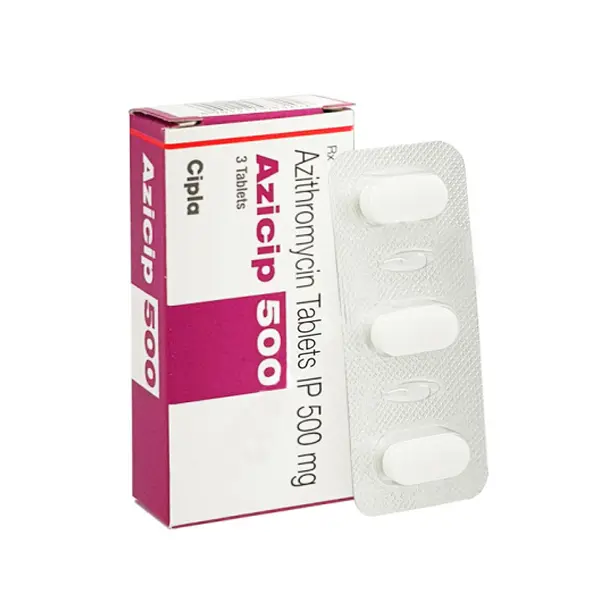
Azithromycin 500 mg: Complete Guide to Uses, Benefits, Dosage, and Safety

- Written By : dharmik dharmik
- Published on : December 17, 2025
- Last updated on : January 7, 2026
Azithromycin 500 mg is a well-known prescription antibiotic that is widely used in clinical practice to manage a variety of bacterial infections. It belongs to the macrolide group of antibiotics and is valued for its effectiveness, shorter treatment duration, and once-daily dosing in many cases. Because of these advantages, it is often prescribed by doctors across different medical specialties.
This detailed blog aims to provide reliable and easy-to-understand information about Azithromycin 500 mg, including how it works, when it is prescribed, how to take it safely, possible side effects, precautions, and frequently asked questions. This content is for educational purposes only and does not replace professional medical advice.
Overview of Azithromycin 500 mg
Azithromycin 500 mg is an antibacterial medication designed to fight infections caused by susceptible bacteria. It does not kill viruses and should not be used for viral illnesses such as influenza or the common cold.
The medication is available in multiple dosage forms, including tablets, capsules, liquid suspensions, and injections. Among adults, the 500 mg tablet is one of the most commonly prescribed strengths, particularly for moderate infections.
One of the key advantages of azithromycin is that it stays active in the body for a longer time compared to many other antibiotics. This allows for shorter treatment courses while still delivering effective results.
How Azithromycin 500 mg Works in the Body
Azithromycin works by interfering with bacterial protein production. Bacteria require proteins to grow, repair themselves, and multiply. This medication binds to a specific part of the bacterial ribosome (the 50S subunit), blocking protein synthesis.
As a result:
- Bacterial growth is stopped
- The immune system can clear the infection more easily
- The spread of bacteria is controlled
Azithromycin is considered bacteriostatic, meaning it prevents bacterial growth rather than directly killing bacteria, though its effects can be bactericidal in certain infections and doses.
Medical Uses of Azithromycin 500 mg
Doctors prescribe Azithromycin 500 mg for various bacterial infections affecting different parts of the body. Common uses include:
Respiratory Tract Infections
- Community-acquired pneumonia
- Bronchitis
- Sinus infections
- Throat and tonsil infections
Ear, Nose, and Throat Conditions
- Middle ear infections (otitis media)
- Certain bacterial throat infections
Skin and Soft Tissue Infections
- Infected wounds
- Mild to moderate skin infections caused by bacteria
Sexually Transmitted Infections
- Chlamydia infections
- Other specific bacterial STIs, as advised by a doctor
Dental and Oral Infections
- Tooth abscesses
- Gum infections
Other Bacterial Infections
- Typhoid fever (in selected cases)
- Certain gastrointestinal infections
Azithromycin is chosen when the responsible bacteria are known or suspected to respond well to this antibiotic.
Dosage Guidelines and How to Take It
The exact dosage and duration of Azithromycin 500 mg depend on the type of infection, its severity, and the patient’s overall health.
General Adult Dosage (Typical)
- 500 mg once daily
- Duration: usually 3 to 5 days
Some infections may require a different dosing schedule, which should always be determined by a healthcare provider.
How to Take Azithromycin Correctly
- Take the tablet whole with water
- It can be taken with or without food
- Taking it after meals may reduce stomach discomfort
- Take it at the same time each day for best results
Never skip doses or stop the medication early, even if symptoms improve. Completing the full course helps prevent relapse and antibiotic resistance.
Possible Side Effects of Azithromycin 500 mg
Most people tolerate azithromycin well, but like any medication, it may cause side effects in some individuals.
Common Side Effects
- Nausea
- Diarrhea
- Abdominal pain
- Vomiting
- Mild headache
These side effects are usually temporary and resolve on their own.
Less Common but Serious Reactions
- Severe or persistent diarrhea
- Allergic reactions such as rash, itching, or swelling
- Irregular or fast heartbeat
- Signs of liver problems (dark urine, yellowing of skin or eyes)
Seek immediate medical attention if severe side effects occur.
Important Precautions Before Using Azithromycin
Before starting Azithromycin 500 mg, inform your doctor if you have:
- Liver or kidney disease
- Heart rhythm disorders
- History of allergic reactions to antibiotics
- Ongoing medical conditions
- Pregnancy or breastfeeding status
Azithromycin should be used cautiously in patients with known heart conditions, as it may rarely affect heart rhythm.
Drug Interactions to Be Aware Of
Azithromycin may interact with certain medications, including:
- Antacids containing aluminum or magnesium
- Blood-thinning medications
- Drugs that affect heart rhythm
- Some cholesterol-lowering medicines
To reduce the risk of interactions, provide your doctor with a complete list of all medications, supplements, and herbal products you are taking.
Storage and Handling Instructions
- Store at room temperature
- Keep away from heat, moisture, and direct sunlight
- Store out of reach of children
- Do not use after the expiration date
Proper storage ensures the medication remains effective and safe.
Why Responsible Antibiotic Use Matters
Using antibiotics correctly is essential for protecting both individual and public health. Misuse or unnecessary use of antibiotics can lead to antibiotic resistance, making infections harder to treat in the future.
Azithromycin should only be taken when prescribed by a qualified healthcare professional and should never be shared with others.
Frequently Asked Questions (FAQ)
1. What conditions does Azithromycin 500 mg treat?
It is used to treat bacterial infections involving the lungs, throat, ears, skin, dental areas, and certain sexually transmitted infections.
2. Can Azithromycin 500 mg upset the stomach?
Yes, mild stomach discomfort, nausea, or diarrhea may occur, especially if taken on an empty stomach.
3. How quickly does Azithromycin start working?
Some improvement is often seen within 1–2 days, but full recovery depends on completing the entire prescribed course.
4. Is Azithromycin safe for long-term use?
Azithromycin is usually prescribed for short courses. Long-term use should only occur under strict medical supervision.
5. Can I drink alcohol while taking Azithromycin?
Moderate alcohol intake is not known to cause serious interactions, but avoiding alcohol is recommended to reduce side effects.
6. What should I do if I miss a dose?
Take the missed dose as soon as you remember. If it is close to the next dose, skip the missed one. Do not double the dose.
7. Does Azithromycin cure viral infections?
No, it is only effective against bacterial infections and does not treat viral illnesses.
Final Thoughts
Azithromycin 500 mg is a trusted and effective antibiotic that plays an important role in treating a wide range of bacterial infections. Its convenient dosing schedule and strong antibacterial action make it a preferred option for many doctors. When taken responsibly and exactly as prescribed, it offers safe and reliable results.
Always consult a healthcare professional before starting Azithromycin 500 mg, follow the prescribed dosage, and complete the full treatment course to ensure the best outcome and reduce the risk of antibiotic resistance.
Table of Contents
Product categories
- AMOXICILLIN
- AZITHROMYCIN
- Cancer
- Cephalexin
- Ciprofloxacin
- CLENBUTEROL
- Colchicine
- Doxycycline
- Erectile Dysfunction
- FENBENDAZOLE & MEBENDAZONE
- Fluconazole
- Fluvoxamine
- Gabapentin
- General
- Generic Paxlovid
- Hdroxychloroquine
- Hormonal
- Infection
- Inhaler & Respules
- Ivermectin
- Low And High Dose Naltrexone
- Metronidazole
- OLANZAPINE & MIRTAZAPINE
- Other
- Pirfenidone
- PREDNISONE
- Psychiatric Medicine
- Skin Care
- Testosterone
- Thyroid
- Viral Care
- VITAMIN B12 & VITAMIN D3
- Weight Loss & Diabetic