
Blog
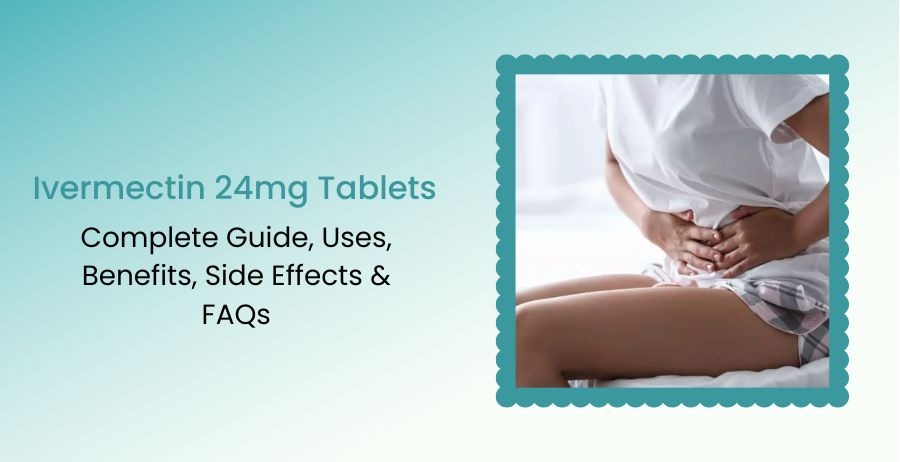
Ivermectin 24mg Tablets – Complete Guide, Uses, Benefits, Side Effects & FAQs

- Written By : dharmik dharmik
- Published on : February 20, 2026
- Last updated on : February 20, 2026
In the world of modern medicine, Ivermectin 24mg tablets have become increasingly recognized for their role in treating parasitic infections. This powerful medication is an anthelmintic — meaning it treats diseases caused by parasitic worms and other parasites by paralyzing or killing them. While it has existed for decades, understanding exactly what it is, how it works, and why it’s prescribed is essential for both patients and caregivers.
What Exactly Are Ivermectin 24mg Tablets?
Ivermectin 24mg tablets are a prescription medication that contains the active compound ivermectin — a potent antiparasitic drug. It belongs to a class of medicines known as anthelmintics, and it’s widely used by healthcare professionals to treat certain parasitic infections in humans. The 24mg strength refers to the amount of active medication in each tablet, which is typically prescribed for adult patients based on body weight and the type of infection being treated.
Unlike over‑the‑counter products or veterinary formulations (which are strictly for animals), human ivermectin must be prescribed and supervised by a qualified medical professional. Using the wrong formulation or dosage can be dangerous.
How Do Ivermectin Tablets Work?
The way Ivermectin 24mg tablets works is fascinating in its simplicity and effectiveness. Ivermectin targets parasites by interfering with the nervous system of the worms or parasites. Specifically, it increases the permeability of certain parasite nerve cells to chloride ions, which leads to paralysis and eventual death of the organism. This prevents the parasite from continuing its life cycle, reducing infection and allowing the body to recover.
This action makes it highly effective for a range of parasitic infestations, allowing it to be used in treatment programs globally.
Why Are Ivermectin 24mg Tablets Prescribed?
Health professionals may prescribe Ivermectin 24mg tablets for the following conditions:
1. Strongyloidiasis
Strongyloidiasis is a parasitic infection caused by the Strongyloides stercoralis worm. This parasite lives in the small intestine and can cause abdominal pain, diarrhea, skin rash, and weight loss. Ivermectin works by eliminating the larvae and adult worms within the body.
2. Onchocerciasis (River Blindness)
River blindness is caused by the Onchocerca volvulus parasite, transmitted through bites of infected blackflies. This infection can lead to intense itching, skin changes, and even vision loss. Ivermectin controls the microfilariae (the larval stage), stopping the cycle of infection.
3. Scabies (in Some Cases)
Scabies is a highly contagious skin condition caused by mites burrowing under the skin. While topical treatments are often first‑line, oral ivermectin can be used when those treatments fail or aren’t effective.
4. Lice, Filariasis, and Other Parasitic Conditions
In certain cases, healthcare providers may recommend ivermectin as part of a broader treatment plan for conditions like head lice or lymphatic filariasis, especially in combination with other drugs.
Recommended Dosage and How It’s Taken
Each patient’s ivermectin dosage is individualized by their healthcare provider, usually based on body weight and the type of infection being treated.
Typically:
- Ivermectin is administered orally as a tablet with water.
- It’s often taken on an empty stomach — at least 1 hour before or 2 hours after a meal — to improve absorption.
- The frequency and number of doses depend on the clinical condition; sometimes a single dose is sufficient, while other cases may need repeated doses.
It’s crucial that patients follow their doctor’s instructions precisely. Never adjust your dose or schedule without professional guidance.
👉 For more detailed medical dosage guidelines and safety information, visit this comprehensive resource: Ivermectin (oral route) – Mayo Clinic. Ivermectin Dosage & Safety Information – Mayo Clinic
Benefits of Using Ivermectin 24mg Tablets
There are several reasons why Ivermectin 24mg tablets are considered valuable in treating parasitic infections:
✔ Broad Spectrum of Activity
They are effective against a wide array of parasites including roundworms, hookworms, and mites.
✔ Easy Dosage and Compliance
Often, treatment can be completed with just one or a few doses — reducing the burden on patients.
✔ High Efficacy
Clinical experience shows a strong recovery rate in many parasitic infections.
✔ Proven Track Record
Ivermectin has decades of safe medical use when taken as directed.
Possible Side Effects: What to Watch For
Like all medications, Ivermectin 24mg tablets can cause side effects, although not everyone experiences them. The side effects range from mild to rare serious conditions.
Common (Mild) Side Effects
- Nausea or vomiting
- Dizziness or lightheadedness
- Diarrhea
- Mild skin rash
- Fatigue or headache
These symptoms often resolve on their own but should still be reported to a doctor if they persist or worsen.
Serious Side Effects (Rare)
- Severe allergic reactions (swelling of face/lips, difficulty breathing)
- Vision changes
- Severe skin rash
- Neurological symptoms such as confusion or seizures
If you notice any serious or alarming symptoms after taking ivermectin, seek urgent medical care.
👉 For a full list of safety warnings and precautions, see: Drugs.com – Ivermectin Side Effects & Warnings. Ivermectin Side Effects & Precautions – Drugs.com
Who Should Avoid Ivermectin?
Some individuals need special consideration before taking ivermectin:
- People with known allergies to the medicine
- Patients with liver or kidney disease
- Those who are pregnant or breastfeeding
- Individuals with weakened immune systems
Always disclose your full medical history and current medications to your healthcare provider before starting treatment.
How To Store Ivermectin 24mg Tablets
Proper storage maintains the effectiveness of the medicine:
- Keep in original container
- Store at room temperature (below 30°C)
- Avoid moisture, direct heat, or sunlight
- Keep out of reach of children and pets
FAQ – Frequently Asked Questions
1. What is Ivermectin 24mg used for?
It’s used mainly to treat parasitic infections such as strongyloidiasis, onchocerciasis (river blindness), and in some cases scabies and lice.
2. Can I take Ivermectin 24mg without a prescription?
No. Always use this medication under medical supervision. Self‑medicating with ivermectin — especially the wrong formulation — can be unsafe.
3. How long does it take for the tablet to work?
Depending on the type of parasite, your symptoms may improve within days, but full resolution can take weeks. Your doctor will advise on follow‑up testing if needed.
4. Are there interactions with other drugs?
Yes, ivermectin can interact with other medications, especially those that affect the liver or the nervous system. Always inform your healthcare provider of all medicines you are taking.
5. Can children take Ivermectin 24mg?
Use in children depends on their weight and the specific infection being treated. Pediatric dosing is always determined by a doctor.
Conclusion
Ivermectin 24mg tablets are a powerful and widely used medicine for treating parasitic infections. When used correctly and under medical supervision, they offer high effectiveness and are generally well tolerated. However, like all medications, they come with potential risks and side effects, which makes following a qualified healthcare provider’s guidance essential.
By understanding how ivermectin works, why it’s prescribed, and how to take it safely, you can feel more confident and informed about this important treatment option. Always prioritize verified medical guidance and up‑to‑date research to ensure safe and effective use.
Table of Contents
Product categories
- AMOXICILLIN
- AZITHROMYCIN
- Cancer
- Cephalexin
- Ciprofloxacin
- CLENBUTEROL
- Colchicine
- Doxycycline
- Erectile Dysfunction
- FENBENDAZOLE & MEBENDAZONE
- Fluconazole
- Fluvoxamine
- Gabapentin
- General
- Generic Paxlovid
- Hdroxychloroquine
- Hormonal
- Infection
- Inhaler & Respules
- Ivermectin
- Low And High Dose Naltrexone
- Metronidazole
- OLANZAPINE & MIRTAZAPINE
- Other
- Pirfenidone
- PREDNISONE
- Psychiatric Medicine
- Skin Care
- Testosterone
- Thyroid
- Viral Care
- VITAMIN B12 & VITAMIN D3
- Weight Loss & Diabetic