
Blog
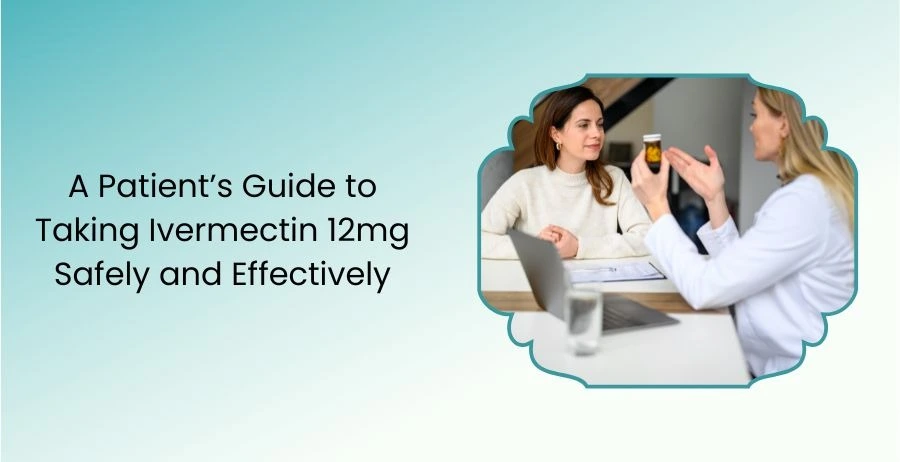
A Patient’s Guide to Taking Ivermectin 12mg Safely and Effectively
- Published on : March 30, 2026
Introduction
In recent years, Ivermectin 12mg has become a widely discussed medication around the world. Originally introduced as an anti‑parasitic drug, its applications have expanded in veterinary and human medicine. This article explores everything you need to know about Ivermectin 12mg — from its intended uses, how it works, proper Ivermectin 12mg dosage for humans, safety, side effects, and frequently asked questions. Whether you’re a healthcare student, patient, or health content reader, this detailed guide will help you understand this medication in context.
What is Ivermectin?
Ivermectin is a medication derived from a class of compounds called avermectins. It was discovered in the late 20th century and quickly became an essential tool for treating various parasitic infections in humans and animals. The drug works by interfering with the nervous system of parasites, leading to paralysis and death of the organism.
The form most commonly discussed in medical contexts is Ivermectin 12mg tablets, which are typically prescribed to adults based on body weight and type of infection. The global medical community has utilized Ivermectin for decades, especially in low‑resource settings where parasitic infections are more prevalent.
Ivermectin 12mg Tablets: What Are They Used For?
The most common use of Ivermectin 12mg tablets in humans includes:
1. Treatment of Parasitic Infections
- Strongyloidiasis – Caused by the Strongyloides stercoralis worm.
- Onchocerciasis (River Blindness) – Caused by Onchocerca volvulus.
- Scabies – A skin infestation by the Sarcoptes scabiei mite.
The drug has been widely recommended by health authorities such as the World Health Organization (WHO) and Centers for Disease Control and Prevention (CDC) for these conditions.
How Ivermectin Works
Ivermectin works by attaching to specific chloride channels in parasites, which are essential for nerve and muscle function. This causes increased permeability of the cell membrane to chloride ions, leading to paralysis and death of the parasite. The drug is effective against a range of invertebrate parasites but does not typically affect mammals at therapeutic doses.
Ivermectin 12mg Dosage for Humans
Correct dosage is crucial for effectiveness and safety. The proper Ivermectin 12mg dosage for humans depends on the specific condition being treated and the patient’s body weight. Always follow professional medical guidance.
Standard Dosage Guidelines
For example:
| Condition | Typical Dose |
|---|---|
| Strongyloidiasis | 200 μg/kg as a single dose |
| Onchocerciasis | 150 μg/kg once, repeated at intervals |
| Scabies | Single dose, may repeat based on severity |
Example: A person weighing 60 kg may receive approximately 12 mg (200 mcg/kg). That’s why tablets such as Ivermectin 12mg tablet are prescribed for certain weight categories.
Important Considerations Before Taking Ivermectin 12mg
1. Medical History
Before taking Ivermectin 12mg tablets, disclose your medical history — especially if you have liver disease, neurological conditions, or allergies to medications.
2. Pregnancy and Breastfeeding
Pregnancy and breastfeeding considerations must be discussed with a healthcare provider, as limited safety data exist.
3. Drug Interactions
Ivermectin may interact with other medications — especially those that affect the liver enzymes responsible for metabolizing drugs.
Side Effects of Ivermectin 12mg
Most people tolerate Ivermectin 12mg well, but side effects can occur.
Common Side Effects
- Headache
- Dizziness
- Nausea
- Mild skin rash
- Fatigue
Rare or Serious Reactions
Serious side effects are uncommon but can include:
- Severe allergic reactions
- Vision changes
- Neurological symptoms like confusion or tremors
If any serious symptoms occur, seek medical help immediately.
Is Ivermectin Safe?
Ivermectin’s safety has been studied for over 30 years. It is generally considered safe when used as prescribed by a qualified healthcare provider. Unlike some medications that require daily dosing, most parasitic infections are treated with one or a few doses of Ivermectin.
However, using Ivermectin outside of its intended indications can be dangerous. For example, veterinary formulations (intended for animals) should never be taken by humans.
How to Take Ivermectin 12mg Tablets
Proper administration improves effectiveness and safety.
Before Taking the Tablet
- Take it with food to improve absorption
- Drink a full glass of water
While Taking the Tablet
- Don’t stop the medication unless advised
- Avoid alcohol, as it may increase side effects
After Taking the Tablet
- Report any unusual symptoms immediately
- Follow up with your doctor as directed
Ivermectin vs Other Anti‑Parasite Drugs
Ivermectin is not the only antiparasitic agent — others include albendazole, mebendazole, and praziquantel. Each drug has specific targets. For example, albendazole is often used for tapeworms, where Ivermectin may have limited effect.
Comparative effectiveness depends on infection type, drug tolerance, and patient factors.
Scientific Research and Evidence
Ivermectin has been the subject of hundreds of scientific studies. For example:
- Controlled trials for Onchocerciasis and Strongyloidiasis
- Studies on scabies treatment protocols
If you’re interested in peer‑reviewed scientific literature, this article on ivermectin pharmacology provides insight into its mechanisms and clinical applications: Ivermectin Clinical Pharmacology Overview.
Public Perception and Controversies
In some regions, discussions about Ivermectin have extended into public health debates. It’s important to rely on credible health authorities, such as:
- CDC – U.S. Centers for Disease Control and Prevention
- WHO – World Health Organization
- NIH – National Institutes of Health Medicine Reports
For general reference on Ivermectin in parasitic infections, you can visit CDC.
Always prioritize evidence‑based information over rumors or unverified claims.
Storage and Handling
Store Ivermectin 12mg tablets properly:
✔ At room temperature
✔ Away from moisture and direct sunlight
✔ Out of reach of children
Do not use expired medications. Dispose of them according to local guidelines.
Cost and Accessibility
In many countries, Ivermectin 12mg tablets are considered affordable and accessible through pharmacies with a prescription. Generic versions exist, which helps lower cost.
Insurance coverage varies by country and health plan.
Real‑World Use Cases
1. Tropical Medicine Programs
In regions where parasitic infections are frequent, public health programs use Ivermectin in mass drug administration campaigns.
2. Individual Treatment
Doctors may prescribe Ivermectin for specific parasitic infections after a proper diagnosis.
3. Veterinary vs Human Use
Never substitute veterinary ivermectin products for human prescriptions. Veterinary forms may contain unsafe additives and higher concentrations.
Frequently Asked Questions (FAQ)
1. What is Ivermectin 12mg used for?
Ivermectin 12mg is mainly used to treat parasitic infections like strongyloidiasis, onchocerciasis, and scabies in humans when prescribed by a healthcare provider.
2. How do I take Ivermectin 12mg tablets?
Take the tablets with food and water as instructed by a doctor. Dosage depends on body weight and condition treated.
3. Is Ivermectin 12mg safe for everyone?
Ivermectin is generally safe when prescribed, but it’s essential to discuss medical history, potential drug interactions, and pregnancy status with a healthcare professional.
4. Can I self‑medicate with Ivermectin?
No. Self‑medication can be risky. Only take Ivermectin under medical supervision, especially to ensure the correct Ivermectin12mg dosage.
5. Where can I learn more about the medical uses of Ivermectin?
Visit reputable sources such as the CDC or WHO pages on parasitic infections CDC.
Conclusion
Ivermectin 12mg remains an important medication in the fight against parasitic diseases. Understanding its uses, correct dosage, risks, and benefits helps patients and caregivers make informed decisions. Always follow professional medical advice — and rely on reputable sources when researching health subjects online.
Table of Contents
Product categories
- AMOXICILLIN
- AZITHROMYCIN
- Cancer
- Cephalexin
- Ciprofloxacin
- CLENBUTEROL
- Colchicine
- Doxycycline
- Erectile Dysfunction
- FENBENDAZOLE & MEBENDAZONE
- Fluconazole
- Fluvoxamine
- Gabapentin
- General
- Generic Paxlovid
- Hdroxychloroquine
- Hormonal
- Infection
- Inhaler & Respules
- Ivermectin
- Low And High Dose Naltrexone
- Metronidazole
- OLANZAPINE & MIRTAZAPINE
- Other
- Pirfenidone
- PREDNISONE
- Psychiatric Medicine
- Skin Care
- Testosterone
- Thyroid
- Viral Care
- VITAMIN B12 & VITAMIN D3
- Weight Loss & Diabetic