

Blog
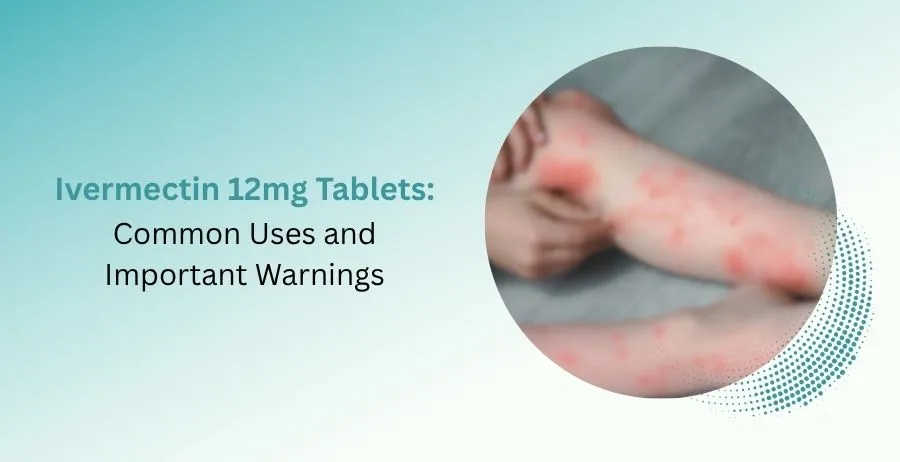
Ivermectin 12mg Tablets: Common Uses and Important Warnings
- Published on : May 31, 2026
Introduction
Ivermectin 12mg is a widely recognized antiparasitic medication that has been used for many years to treat a variety of parasitic infections in humans. Healthcare professionals around the world prescribe this medicine for specific conditions caused by parasites that affect the skin, intestines, and other parts of the body. When used correctly under medical supervision, Ivermectin can be an effective treatment option for eligible patients.
As online discussions about medications continue to increase, many people search for accurate information regarding Ivermectin 12mg, its uses, dosage recommendations, safety considerations, and potential side effects. Understanding how this medication works is essential before taking it.
What Is Ivermectin 12mg?
Ivermectin 12mg is a prescription medication belonging to a class of drugs known as antiparasitic agents. It works by targeting and eliminating certain parasites that can cause infections in humans.
The medicine has been used in medical practice for decades and is recognized for its effectiveness against specific parasitic conditions. It is typically administered orally in tablet form and should only be used according to a healthcare provider’s instructions.
Many individuals searching for information about Ivermectin 12mg for humans often want to understand whether the medication is appropriate for their condition. The answer depends on the type of infection being treated, the patient’s medical history, and a physician’s evaluation.
For additional information about parasitic diseases, you may add your external link to the keyword Parasitic Infections Guide.
How Does Ivermectin 12mg Work?
Ivermectin works by interfering with the nervous system and muscle function of certain parasites. This action causes paralysis and eventual death of the parasites, allowing the body to eliminate them naturally.
Unlike antibiotics, which target bacteria, Ivermectin is specifically designed to combat susceptible parasites. This distinction is important because the medication is not intended to treat viral infections or bacterial illnesses unless prescribed for a medically approved purpose.
The effectiveness of the medication depends on several factors, including:
- Type of parasitic infection
- Severity of infection
- Patient’s body weight
- Overall health condition
- Compliance with treatment instructions
When prescribed appropriately, Ivermectin 12mg can provide significant therapeutic benefits for approved indications.
Common Uses of Ivermectin 12mg
Healthcare providers may prescribe Ivermectin 12mg for several parasitic conditions.
1. Intestinal Strongyloidiasis
One of the most common approved uses of Ivermectin is the treatment of strongyloidiasis, an intestinal infection caused by the parasite Strongyloides stercoralis.
Symptoms may include:
- Abdominal pain
- Diarrhea
- Skin rashes
- Weight loss
- Digestive discomfort
Ivermectin helps eliminate the parasite and reduce symptoms associated with the infection.
For more information, you can insert an external link using the keyword Strongyloidiasis Treatment.
2. Onchocerciasis (River Blindness)
Onchocerciasis is a parasitic disease caused by Onchocerca volvulus. It is transmitted through blackfly bites in certain regions of the world.
The condition may cause:
- Severe itching
- Skin changes
- Eye damage
- Vision problems
Ivermectin has been widely used as part of public health programs aimed at controlling this disease.
3. Scabies
Scabies is a contagious skin condition caused by microscopic mites that burrow into the skin.
Common symptoms include:
- Intense itching
- Skin irritation
- Red bumps
- Rash-like lesions
Although topical treatments are often used first, doctors may prescribe Ivermectin 12mg for humans when scabies is severe, widespread, or resistant to other treatments.
You may add an external link to the keyword Scabies Management.
4. Head Lice
In some situations, healthcare providers may recommend Ivermectin for difficult-to-treat head lice infestations.
The medication can help eliminate lice when conventional treatments have not achieved desired results.
5. Other Parasitic Infections
Depending on local treatment guidelines and clinical judgment, physicians may prescribe Ivermectin for certain additional parasitic conditions.
Patients should never self-diagnose or self-medicate. Proper medical evaluation is necessary before beginning treatment.
Understanding Ivermectin 12mg Dosage
One of the most frequently searched topics online is Ivermectin 12mg dosage.
The appropriate dosage depends on:
- Body weight
- Type of infection
- Severity of symptoms
- Medical history
- Physician recommendations
Because treatment plans vary significantly among patients, there is no single dosage schedule that works for everyone.
Healthcare professionals calculate treatment regimens carefully to ensure safety and effectiveness.
Ivermectin 12mg Dosage for Humans
Many people search specifically for Ivermectin 12mg dosage for humans. It is important to understand that dosage recommendations are usually weight-based.
Factors that influence dosing include:
Body Weight
Weight plays a major role in determining the appropriate amount of medication.
Medical Condition
Different parasitic infections may require different treatment schedules.
Treatment Duration
Some conditions require a single dose, while others may need repeated doses under physician supervision.
Response to Therapy
Doctors may adjust treatment plans based on patient response and follow-up evaluations.
Patients should never increase, decrease, or repeat doses without consulting a healthcare provider.
For additional educational resources, you can place an external link on the keyword Medication Dosage Guidelines.
How to Take Ivermectin 12mg Properly
Following prescribed instructions is essential for achieving optimal treatment outcomes.
General recommendations may include:
- Take the medication exactly as directed.
- Follow your physician’s instructions regarding food intake.
- Swallow the tablet with water.
- Do not exceed prescribed doses.
- Complete any recommended follow-up visits.
Patients should carefully read any information provided with their prescription and ask healthcare providers about any concerns.
Potential Benefits of Ivermectin 12mg
When used appropriately for approved indications, Ivermectin 12mg may offer several benefits.
Effective Parasite Elimination
The medication has demonstrated effectiveness against various susceptible parasites.
Convenient Administration
Tablet formulations provide a straightforward treatment option for many patients.
Long History of Use
Ivermectin has been used in clinical practice for decades and remains an important medication in parasite control programs.
Improved Symptoms
Successful treatment can help reduce symptoms associated with parasitic infections and improve quality of life.
Important Safety Warnings
While Ivermectin can be beneficial for appropriate patients, important safety considerations should always be kept in mind.
Prescription Use Only
Ivermectin should only be taken under professional medical guidance.
Avoid Self-Medication
Taking medication without proper diagnosis can lead to ineffective treatment and unnecessary risks.
Follow Medical Instructions
Always follow prescribed dosage schedules and treatment recommendations.
Inform Your Doctor About Existing Conditions
Patients should discuss:
- Liver disease
- Kidney conditions
- Neurological disorders
- Immune system disorders
- Current medications
Providing a complete medical history helps reduce the risk of complications.
Possible Side Effects of Ivermectin 12mg
Like all medications, Ivermectin may cause side effects in some individuals.
Common Side Effects
Some patients may experience:
- Dizziness
- Headache
- Nausea
- Fatigue
- Mild stomach discomfort
These effects are often temporary but should be discussed with a healthcare provider if they persist.
Less Common Side Effects
Certain individuals may experience:
- Diarrhea
- Skin rash
- Muscle pain
- Joint discomfort
Serious Reactions
Although uncommon, serious reactions may occur.
Seek immediate medical attention if symptoms such as severe allergic reactions, breathing difficulties, or significant neurological symptoms develop.
Drug Interactions
Certain medications may interact with Ivermectin.
Patients should inform healthcare providers about:
- Prescription medications
- Over-the-counter drugs
- Herbal supplements
- Vitamins
- Nutritional products
This information helps physicians identify potential interactions and make appropriate recommendations.
Who Should Use Extra Caution?
Certain groups may require additional medical supervision.
Older Adults
Age-related health conditions may influence treatment decisions.
Individuals with Liver Conditions
Liver function may affect medication processing.
Immunocompromised Patients
People with weakened immune systems may need specialized treatment approaches.
Patients Taking Multiple Medications
Medication interactions should be carefully evaluated before treatment begins.
Common Myths About Ivermectin 12mg
Myth 1: More Medication Works Better
Taking more than the prescribed amount does not improve effectiveness and may increase risks.
Myth 2: It Can Treat Any Infection
Ivermectin is specifically intended for certain parasitic infections and should not be viewed as a universal treatment.
Myth 3: Medical Advice Is Unnecessary
Professional evaluation remains essential before taking any prescription medication.
Myth 4: Side Effects Never Occur
Although many people tolerate the medication well, side effects remain possible and should be monitored.
Storage and Handling
Proper storage helps maintain medication quality.
Recommendations generally include:
- Store at room temperature.
- Keep away from moisture.
- Protect from excessive heat.
- Keep out of reach of children.
- Store in original packaging when possible.
Always follow storage instructions provided by the manufacturer or pharmacist.
When to Contact a Healthcare Provider
Patients should seek medical advice if they experience:
- Persistent side effects
- Worsening symptoms
- Signs of allergic reaction
- Unexpected health changes
- Questions regarding treatment
Prompt communication with healthcare professionals can help address concerns and improve treatment outcomes.
Frequently Asked Questions (FAQs)
1. What is Ivermectin 12mg used for?
Ivermectin 12mg is primarily used to treat certain parasitic infections in humans, including strongyloidiasis, onchocerciasis, and some cases of scabies.
2. Is Ivermectin 12mg safe for humans?
When prescribed and monitored by a qualified healthcare professional, Ivermectin is generally considered safe for approved uses.
3. What is the recommended Ivermectin 12mg dosage for humans?
The appropriate dosage depends on body weight, medical condition, and physician recommendations. Patients should follow individualized medical advice.
4. Can I take Ivermectin 12mg without a prescription?
Individuals should only use Ivermectin under the guidance of a licensed healthcare provider.
5. What are the most common side effects?
Common side effects may include headache, dizziness, nausea, fatigue, and mild digestive discomfort.
6. Can Ivermectin interact with other medications?
Yes. Certain medications and supplements may interact with Ivermectin, so patients should disclose all current treatments to their healthcare provider.
7. How long does Ivermectin stay in the body?
The duration can vary depending on individual factors such as metabolism, dosage, and overall health.
8. Can pregnant women take Ivermectin?
Pregnant individuals should consult their healthcare provider before taking any medication, including Ivermectin.
9. Is Ivermectin effective against all parasites?
No. It is effective against specific susceptible parasites but is not a universal treatment for every parasitic infection.
10. What should I do if I miss a dose?
Patients should follow the instructions provided by their healthcare provider or pharmacist and seek professional guidance if unsure.
Final Thoughts
Ivermectin 12mg remains an important antiparasitic medication used to treat specific infections in humans. Its effectiveness has made it a valuable treatment option for conditions such as strongyloidiasis, onchocerciasis, scabies, and other approved parasitic diseases.
Understanding Ivermectin 12mg dosage, potential benefits, safety warnings, and proper usage guidelines is essential for anyone prescribed this medication. While many patients benefit from treatment, responsible use under professional medical supervision remains critical.
Patients should always follow healthcare provider recommendations, avoid self-medication, and report any concerning symptoms promptly. By using the medication appropriately, individuals can maximize treatment effectiveness while minimizing potential risks.
Table of Contents
Product categories
- AMOXICILLIN
- AZITHROMYCIN
- Cancer
- Cephalexin
- Ciprofloxacin
- CLENBUTEROL
- Colchicine
- Doxycycline
- Erectile Dysfunction
- FENBENDAZOLE & MEBENDAZONE
- Fluconazole
- Fluvoxamine
- Gabapentin
- General
- Generic Paxlovid
- Hdroxychloroquine
- Hormonal
- Infection
- Inhaler & Respules
- Ivermectin
- Low And High Dose Naltrexone
- Metronidazole
- OLANZAPINE & MIRTAZAPINE
- Other
- Pirfenidone
- PREDNISONE
- Psychiatric Medicine
- Skin Care
- Testosterone
- Thyroid
- Viral Care
- VITAMIN B12 & VITAMIN D3
- Weight Loss & Diabetic