
Blog
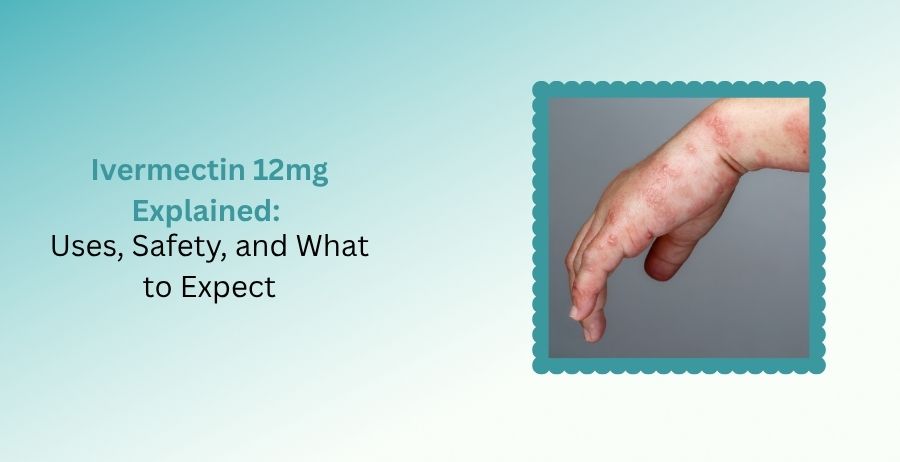
Ivermectin 12mg Explained: Uses, Safety, and What to Expect
- Published on : May 12, 2026
Introduction
Ivermectin 12mg has become one of the most searched medications in recent years, especially among people looking for treatments for parasitic infections and other related health concerns. Among the available strengths, Ivermectin 12mg is commonly prescribed for adults because of its effectiveness and convenient dosing.
If you are researching Ivermectin 12mg for humans, understanding how it works, its approved uses, possible side effects, and safety precautions is important before taking it. Like any medication, it should only be used under medical supervision and according to the correct dosage guidelines.
In this detailed guide, we will explain everything you need to know about Ivermectin 12mg dosage, how the medicine is used, what to expect after taking it, and how to stay safe while using it.
What Is Ivermectin 12mg?
Ivermectin 12mg is an antiparasitic medicine used to treat infections caused by certain parasites. It belongs to a class of drugs known as anthelmintics, which work by paralyzing and killing parasites inside the body.
Doctors often prescribe Ivermectin 12mg for humans to manage conditions such as:
- Intestinal strongyloidiasis
- Onchocerciasis (river blindness)
- Scabies
- Head lice
- Other parasite-related infections
The medication is usually taken orally with water, often on an empty stomach unless a healthcare provider recommends otherwise.
For more information about parasitic infections, visit World Health Organization.
How Does Ivermectin Work?
The active ingredient in Ivermectin 12mg targets the nervous system of parasites. It binds to specific channels in the parasite’s body, causing paralysis and eventually death.
One important reason this medicine is widely used is because it selectively affects parasites while having limited impact on human cells when taken correctly.
This is why following the proper Ivermectin 12mg dosage for humans is extremely important. Taking too little may reduce effectiveness, while taking too much may increase the risk of side effects.
Common Uses of Ivermectin
1. Treatment of Strongyloidiasis
Strongyloidiasis is a parasitic infection caused by Strongyloides stercoralis. It often affects the intestines and can lead to symptoms such as:
- Abdominal pain
- Diarrhea
- Skin rash
- Weight loss
- Fatigue
Doctors may recommend Ivermectin 12mg dosage depending on body weight and the severity of infection.
2. Treatment of Onchocerciasis
Onchocerciasis, also known as river blindness, is caused by parasitic worms transmitted through blackfly bites. The condition can lead to severe itching, skin problems, and even vision loss.
In many regions, public health programs use Centers for Disease Control and Prevention resources and guidelines for managing these infections safely.
3. Scabies Treatment
Scabies is a contagious skin condition caused by microscopic mites. Symptoms include:
- Intense itching
- Red rash
- Skin irritation
- Small bumps or blisters
In moderate to severe cases, doctors may prescribe Ivermectin 12mg for humans when topical creams alone are not effective.
4. Head Lice
Head lice infestations can affect both children and adults. Oral ivermectin is sometimes used when standard topical treatments fail.
Ivermectin Dosage for Humans
One of the most important topics people search online is Ivermectin 12mg dosage for humans. However, dosage is not the same for everyone.
The correct amount depends on several factors, including:
- Body weight
- Age
- Medical history
- Type of infection
- Severity of symptoms
General Dosage Guidelines
The standard Ivermectin 12mg dosage is commonly based on body weight measured in micrograms per kilogram.
Typical examples include:
| Condition | General Dosage |
|---|---|
| Strongyloidiasis | Single oral dose |
| Onchocerciasis | Single dose every several months |
| Scabies | One dose, sometimes repeated after 1–2 weeks |
| Head lice | Usually one dose with possible repeat |
It is important not to self-medicate. Always follow a healthcare provider’s instructions for safe treatment.
For official medicine information, visit U.S. Food and Drug Administration.
How to Take Ivermectin Properly
To improve effectiveness, follow these general instructions when taking Ivermectin 12mg:
- Take the tablet with a full glass of water
- Usually taken on an empty stomach
- Follow timing instructions carefully
- Do not crush or break the tablet unless instructed
- Complete the full prescribed treatment
Some doctors may adjust the Ivermectin 12mg dosage for humans depending on response to treatment.
What to Expect After Taking Ivermectin 12mg
Many people wonder what happens after taking Ivermectin 12mg for humans.
The effects vary depending on the infection being treated.
Common Experiences
Some people notice improvement within a few days, including:
- Reduced itching
- Improved digestion
- Less skin irritation
- Decreased inflammation
However, in certain infections, symptoms may temporarily worsen before improving as parasites die off.
Possible Side Effects of Ivermectin
Like all medications, Ivermectin 12mg can cause side effects in some individuals.
Common Side Effects
These are usually mild and temporary:
- Nausea
- Dizziness
- Headache
- Fatigue
- Diarrhea
- Muscle pain
Less Common Side Effects
Seek medical attention if you experience:
- Severe skin rash
- Breathing difficulty
- Vision changes
- Chest pain
- Swelling
- Severe dizziness
Using the proper Ivermectin 12mg dosage significantly reduces the risk of complications.
Is Ivermectin Safe?
When prescribed correctly, Ivermectin 12mg for humans is generally considered safe. However, safety depends heavily on proper medical guidance.
Important Safety Considerations
You should inform your doctor if you:
- Are pregnant
- Are breastfeeding
- Have liver disease
- Have kidney problems
- Take other medications
- Have neurological disorders
Drug interactions may occur with certain medicines, which is why medical supervision is important.
Who Should Avoid Ivermectin?
Certain individuals should avoid taking Ivermectin 12mg unless specifically instructed by a doctor.
This may include:
- Young children below recommended weight limits
- Individuals allergic to ivermectin
- Patients with severe liver impairment
- People taking medications that strongly interact with ivermectin
Can You Take Ivermectin 12mg With Food?
Although it is often recommended on an empty stomach, some healthcare providers may advise taking it with food depending on the condition and tolerance.
Always follow your doctor’s guidance regarding the correct Ivermectin 12mg dosage for humans.
Ivermectin 12mg and Drug Interactions
Certain medications can affect how ivermectin works.
Examples include:
- Blood thinners
- Sedatives
- Anti-seizure medications
- Some antibiotics
Always share your full medication history before starting treatment.
You can also review medication interaction guidance through MedlinePlus.
Storage Instructions for Ivermectin 12mg
Proper storage helps maintain medicine quality.
Store the medication:
- At room temperature
- Away from direct sunlight
- In a dry place
- Out of reach of children
Avoid using expired medication.
Myths and Misunderstandings About Ivermectin 12mg
There has been a lot of misinformation online regarding Ivermectin 12mg for humans.
Myth 1: More Dosage Works Faster
This is false. Taking more than the prescribed Ivermectin 12mg dosage can increase health risks without improving effectiveness.
Myth 2: It Works for Every Infection
Ivermectin specifically targets certain parasites. It is not a universal treatment for all illnesses.
Myth 3: Self-Medication Is Safe
Using ivermectin without proper diagnosis may delay correct treatment and increase the risk of side effects.
Benefits of Using Ivermectin Correctly
When used under medical supervision, Ivermectin 12mg offers several benefits:
- Effective parasite control
- Convenient oral dosing
- Widely studied treatment
- Generally well tolerated
- Often requires only limited dosing
These advantages make it an important medication in parasite management worldwide.
How Long Does Ivermectin Stay in the Body?
Ivermectin remains in the body for several days after use. However, this does not mean symptoms disappear immediately.
The body may continue clearing dead parasites and recovering from inflammation for some time.
Your doctor may recommend follow-up evaluations depending on the infection.
Signs the Medication Is Working
Some signs that Ivermectin 12mg for humans may be working include:
- Reduced itching
- Improvement in skin appearance
- Better digestion
- Reduced swelling
- Increased comfort
If symptoms continue or worsen, medical review is important.
Risks of Incorrect Ivermectin Dosage
Improper dosing can lead to problems.
Taking Too Much May Cause:
- Severe dizziness
- Confusion
- Low blood pressure
- Vomiting
- Neurological symptoms
Taking Too Little May Cause:
- Incomplete treatment
- Persistent infection
- Drug resistance concerns
This is why the correct Ivermectin 12mg dosage for humans should always come from a qualified healthcare provider.
Medical Consultation Matters
Although online information can be helpful, professional medical advice remains essential.
A doctor can:
- Confirm the diagnosis
- Determine proper dosage
- Monitor side effects
- Check for interactions
- Recommend follow-up care
Never rely solely on internet information for treatment decisions.
Lifestyle Tips During Treatment
While using Ivermectin 12mg, healthy habits may support recovery.
Helpful Tips
- Stay hydrated
- Maintain good hygiene
- Wash bedding and clothing when treating scabies or lice
- Follow all treatment instructions carefully
- Attend follow-up appointments
These steps can help reduce reinfection risks.
Importance of Following Prescribed Instructions
Stopping treatment early or changing your dosage without guidance can reduce effectiveness.
Even if symptoms improve quickly, continue following your doctor’s plan exactly as prescribed.
Correct use of Ivermectin 12mg dosage supports safer and more effective outcomes.
Frequently Asked Questions (FAQs)
1. What is Ivermectin used for?
Ivermectin 12mg is mainly used to treat parasitic infections such as strongyloidiasis, scabies, onchocerciasis, and certain lice infestations.
2. Is Ivermectin 12mg safe for humans?
Yes, Ivermectin 12mg for humans is generally safe when prescribed and monitored by a healthcare professional.
3. How should I take Ivermectin?
It is usually taken orally with water, often on an empty stomach unless your doctor advises otherwise.
4. Can I take Ivermectin daily?
Daily use is not typical unless specifically directed by a healthcare provider. The correct Ivermectin 12mg dosage for humans depends on the condition being treated.
5. What are common side effects?
Common side effects may include headache, dizziness, nausea, diarrhea, and fatigue.
6. Can children use Ivermectin?
Children may use ivermectin only under medical supervision and according to weight-based dosing recommendations.
7. How long does it take for Ivermectin 12mg to work?
Some people notice improvement within a few days, although full recovery can vary depending on the infection.
8. Can I drink alcohol while taking Ivermectin?
It is best to consult your doctor because alcohol may increase certain side effects such as dizziness.
9. What happens if I miss a dose?
Take the missed dose as soon as you remember unless it is almost time for the next dose. Do not double the dose.
10. Should I self-medicate with Ivermectin?
No. Self-medication can be risky. Always seek professional medical advice before using Ivermectin 12mg.
Final Thoughts
Ivermectin 12mg remains an important medication for treating several parasitic infections in humans. When used correctly and under medical supervision, it can be highly effective and generally safe.
Understanding the correct Ivermectin 12mg dosage, possible side effects, safety precautions, and realistic expectations helps patients make informed decisions about treatment.
If you believe you may have a parasitic infection, speak with a qualified healthcare provider before starting any medication. Proper diagnosis and professional guidance are essential for safe and successful treatment.
By following medical advice, using the medication responsibly, and maintaining healthy habits during treatment, patients can improve recovery outcomes while minimizing risks.
Table of Contents
Product categories
- AMOXICILLIN
- AZITHROMYCIN
- Cancer
- Cephalexin
- Ciprofloxacin
- CLENBUTEROL
- Colchicine
- Doxycycline
- Erectile Dysfunction
- FENBENDAZOLE & MEBENDAZONE
- Fluconazole
- Fluvoxamine
- Gabapentin
- General
- Generic Paxlovid
- Hdroxychloroquine
- Hormonal
- Infection
- Inhaler & Respules
- Ivermectin
- Low And High Dose Naltrexone
- Metronidazole
- OLANZAPINE & MIRTAZAPINE
- Other
- Pirfenidone
- PREDNISONE
- Psychiatric Medicine
- Skin Care
- Testosterone
- Thyroid
- Viral Care
- VITAMIN B12 & VITAMIN D3
- Weight Loss & Diabetic