
Blog
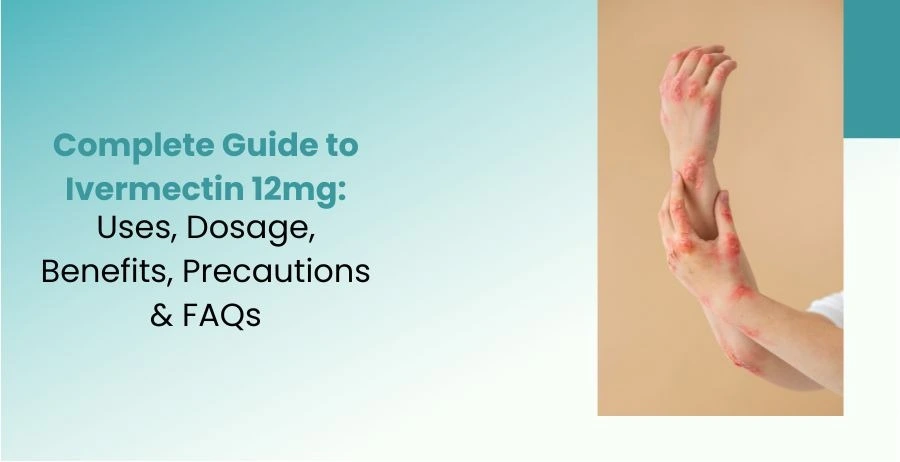
Complete Guide to Ivermectin 12mg: Uses, Dosage, Benefits, Precautions & FAQs

- Written By : dharmik dharmik
- Published on : March 24, 2026
- Last updated on : March 26, 2026
Introduction
Ivermectin 12mg has become one of the most discussed medications in modern medicine. Originally developed as a potent antiparasitic drug, it is widely prescribed for treating specific parasitic infections in humans. Over the years, its use has sparked debate, particularly regarding off-label applications, but when used correctly under medical supervision, Ivermectin 12mg tablet remains a valuable treatment for worm infestations and other parasitic conditions.
This guide provides a comprehensive look at Ivermectin 12mg tablets — from their origin and mechanism of action to approved uses, recommended dosages, side effects, and frequently asked questions. Whether you are a healthcare professional, patient, or simply curious about this medication.
What Is Ivermectin 12mg?
Ivermectin 12mg is a prescription medication classified under a group of drugs known as anthelmintics — medications used to treat infections caused by parasitic worms. It works by paralyzing and ultimately eliminating parasites that infect humans. Originally developed for veterinary use, ivermectin later underwent research and approval for specific human health conditions in the 1980s.
When referred to as Ivermectin 12mg tablets, this indicates a tablet with a 12 milligram strength of the active ingredient. This strength is commonly prescribed in adult populations, tailored by a doctor according to body weight and health condition being treated.
It’s important to know that Ivermectin 12mg tablet is intended strictly for human use only when prescribed, and should never be substituted with formulations designed for animals, which can be harmful.
👉 Learn more about the drug’s overall profile: Ivermectin on Wikipedia.
History and Development
The story of ivermectin’s development is fascinating. Derived from a compound isolated by Japanese microbiologist Satoshi Ōmura and his team, ivermectin was first used in veterinary medicine to defeat parasitic infections in livestock and pets. Its success quickly led researchers to investigate potential human applications. By the late 1980s, ivermectin was approved for human use in treating certain parasitic diseases.
Since then, ivermectin has become a cornerstone treatment in many parts of the world for parasitic infestations — especially in tropical countries where these infections are more common.
How Ivermectin Works
The scientific mechanism behind Ivermectin 12mg tablets is both effective and specific. The medication targets the nervous system of parasites — insects or worms — by binding to certain neuronal receptors that lead to paralysis and death of the parasite. This mechanism is unique to parasites and does not affect human nerve cells in the same way when taken at therapeutic doses.
In simple terms:
🔹 Parasitic nerve channels get disrupted — leading to paralysis.
🔹 Human nerve cells remain largely unaffected at approved dosages.
🔹 Parasites are then eliminated naturally by the body.
This specificity explains why ivermectin is effective against parasitic infections and yet safe for human use when administered correctly under medical guidance.
Approved Uses of Ivermectin 12mg Tablets
1. Strongyloidiasis
This is an intestinal infection caused by the parasitic roundworm Strongyloides stercoralis. The parasite enters the body through contaminated soil and can cause symptoms like abdominal discomfort, diarrhea, and rash. Ivermectin is an effective treatment because it targets the larvae and adult forms of the parasite.
2. Onchocerciasis (River Blindness)
Onchocerciasis is caused by the parasite Onchocerca volvulus and transmitted by blackfly bites. This condition can lead to impaired vision and skin issues if left untreated. Ivermectin helps reduce the spread and intensity of infection.
3. Other Approved Parasitic Infections
While these two conditions are primary, doctors may also prescribe ivermectin for certain skin‑related conditions like scabies when necessary. Under local regulations, topical formulations of ivermectin are used for head lice and rosacea.
‼️ Important: Ivermectin is not approved for the prevention or treatment of viral infections such as COVID‑19 or influenza. Studies have shown that using ivermectin for these purposes is both ineffective and potentially harmful.
Ivermectin 12mg Dosage for Humans
Determining the right ivermectin dosage for humans depends on several key factors, including:
- Body weight
- Type of parasitic infection
- Age
- Medical history
Although doctors tailor the exact dose, a typical guideline involves calculating dosage based on micrograms per kilogram of body weight. In many cases, a 12mg tablet may be prescribed for adults within a certain weight range.
General Principles of Dosage:
👉 Often given as a single dose depending on infection type.
👉 May be repeated after several months for chronic infestations.
👉 Always taken on an empty stomach with a full glass of water unless otherwise directed.
⚠️ Note: Never self‑adjust the dose. Taking too much or too little can reduce effectiveness or increase side‑effect risks.
Benefits and Effectiveness
Healthcare professionals prescribe Ivermectin 12mg tablets because it:
- Targets a wide range of parasitic infections.
- Has a well‑established safety profile at correct doses.
- Works relatively quickly to eliminate parasites.
- Can be administered in outpatient settings.
- Is affordable and globally accessible.
However, it’s key to understand the scope of benefits. Ivermectin does not treat bacterial or viral infections. Its effectiveness is limited to parasitic organisms that are susceptible to its mechanism of action.
If you want to read a synthesized overview of drug effects including benefits, risks, and interactions, visit Ivermectin patient information on Drugs.com.
Side Effects and Precautions
Like all medicines, Ivermectin 12mg tablet can cause side effects, though many are mild and temporary.
Common Side Effects
- Nausea or vomiting
- Dizziness or headache
- Fatigue
- Mild skin rash
- Gastrointestinal discomfort
These are often manageable and subside on their own.
Serious Precautions
Seek immediate medical attention if you experience:
- Severe allergic reactions (hives, swelling, difficulty breathing)
- Severe dizziness or loss of balance
- Confusion or unusual behavior
- Signs of infection worsening
These rare but serious symptoms should be treated urgently.
Special Considerations
- Not recommended for children under a certain age/weight unless physician‑directed.
- Pregnant or breastfeeding individuals should consult their doctor.
- People with liver or kidney disease may require adjusted dosing.
Ivermectin Myths vs Reality
There have been many misconceptions spread online about ivermectin — especially during the COVID‑19 pandemic.
Myth: Ivermectin cures COVID‑19
Reality: Major health authorities do not recommend ivermectin for viral illnesses, and rigorous studies have failed to show meaningful benefit for COVID‑19.
Myth: Animal ivermectin is safe for humans
Reality: Never take veterinary ivermectin products. These are formulated for animals and contain different concentrations and additives that can be dangerous to humans.
Myth: Higher doses increase effectiveness
Reality: More than the prescribed dosage increases side effects and toxicity without improving outcomes. Always follow medical advice.
How to Take Ivermectin 12mg Safely
To use ivermectin safely:
- Follow your doctor’s instructions precisely.
- Take on an empty stomach, unless your physician advises otherwise.
- Use only prescription medication dispensed legally.
- Avoid animal formulations.
- Report adverse reactions immediately.
Frequently Asked Questions (FAQs)
Q1: What is the typical Ivermectin 12mg dosage for humans?
A: Dosage varies based on weight and infection. A physician calculates the dose based on micrograms per kilogram of body weight and condition being treated. Always follow the prescribed instructions.
Q2: Can I take Ivermectin 12mg tablets without medical supervision?
A: No. You should only take ivermectin after consulting a qualified healthcare professional.
Q3: What conditions does ivermectin treat in humans?
A: Approved uses include strongyloidiasis and onchocerciasis. Additional approved topical forms treat head lice and rosacea.
Q4: Is ivermectin effective against viruses like COVID‑19?
A: No. Multiple clinical studies have not demonstrated effectiveness against viral infections, and health agencies do not recommend its use for these purposes.
Q5: Can children take ivermectin?
A: Children above a specific weight threshold may be prescribed ivermectin, but only under medical supervision.
Conclusion
Ivermectin 12mg remains an important medication in treating certain parasitic diseases when used properly and under medical guidance. It has a strong safety record, specific clinical uses, and continues to make a meaningful difference in global health — particularly in areas where parasitic infections are prevalent.
However, it’s important to approach information about this drug responsibly and stay informed through credible sources and doctors recommendations. Always prioritize safety, accurate knowledge, and evidence‑based guidance when dealing with prescription medications like ivermectin.
Table of Contents
Product categories
- AMOXICILLIN
- AZITHROMYCIN
- Cancer
- Cephalexin
- Ciprofloxacin
- CLENBUTEROL
- Colchicine
- Doxycycline
- Erectile Dysfunction
- FENBENDAZOLE & MEBENDAZONE
- Fluconazole
- Fluvoxamine
- Gabapentin
- General
- Generic Paxlovid
- Hdroxychloroquine
- Hormonal
- Infection
- Inhaler & Respules
- Ivermectin
- Low And High Dose Naltrexone
- Metronidazole
- OLANZAPINE & MIRTAZAPINE
- Other
- Pirfenidone
- PREDNISONE
- Psychiatric Medicine
- Skin Care
- Testosterone
- Thyroid
- Viral Care
- VITAMIN B12 & VITAMIN D3
- Weight Loss & Diabetic