
Blog
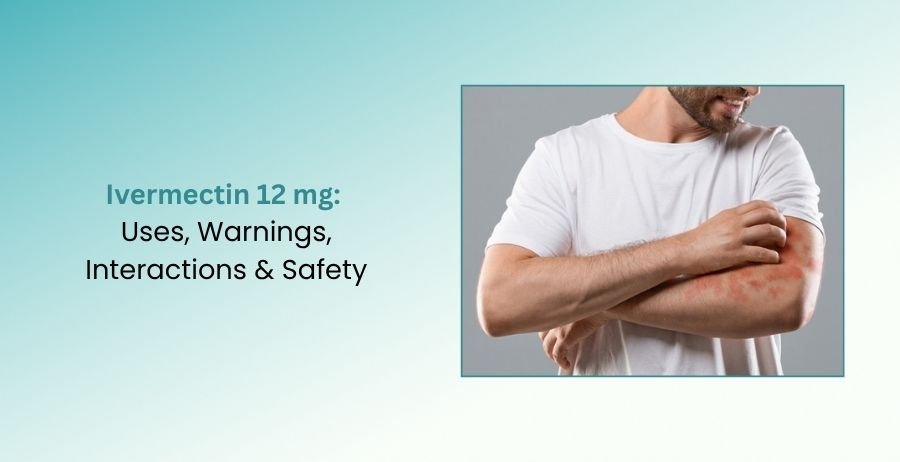
Ivermectin 12 mg: Uses, Warnings, Interactions & Safety
- Published on : August 30, 2026
Ivermectin 12 mg is an oral formulation of ivermectin, an antiparasitic medicine used to treat certain parasitic infections. It belongs to a class of medicines known as anthelmintics and works by interfering with the nervous-system function of susceptible parasites.
A 12 mg tablet is a strength, not a standard dose for every person or condition. The appropriate dose depends on factors such as the infection being treated, body weight, age, medical history, and other medicines.
What Is Ivermectin 12 mg?
Ivermectin is an established antiparasitic medicine. Oral ivermectin is approved for certain conditions, including intestinal strongyloidiasis and onchocerciasis (river blindness) in appropriate patients.
Ivermectin is also available in topical formulations for certain skin conditions. Oral and topical formulations are different products and should not be substituted for one another without professional guidance.
Ivermectin 12 mg Uses
The uses of ivermectin depend on the specific formulation and local regulatory approvals.
Strongyloidiasis
Ivermectin is used to treat intestinal strongyloidiasis, an infection caused by the parasitic roundworm Strongyloides stercoralis.
This infection may become serious in certain people, particularly those with weakened immune systems, making appropriate diagnosis and treatment important.
Onchocerciasis
Ivermectin is also used for onchocerciasis, commonly called river blindness.
It targets susceptible forms of the parasite and helps reduce the number of parasites in the body.
Other Uses
In some clinical circumstances, healthcare professionals may prescribe ivermectin for other parasitic conditions based on local guidelines and available evidence.
It should not be used simply because symptoms appear similar to a parasitic infection.
How Does Ivermectin Work?
Ivermectin acts on specific chloride channels found in susceptible parasites.
This disrupts normal nerve and muscle signaling, ultimately causing paralysis and death of the parasite.
Its activity is directed toward susceptible parasites, so ivermectin is not a general treatment for viral or bacterial infections.
Ivermectin 12 mg Dosage
There is no universal ivermectin dose.
For approved oral indications, dosing is generally determined using factors such as:
- Body weight
- Type of infection
- Severity of infection
- Age
- Medical history
- Other medicines being taken
For certain approved indications, the FDA-approved labeling uses weight-based dosing rather than a fixed 12 mg dose.
Therefore, do not assume that one 12 mg tablet is the correct dose for your condition.
Never take additional tablets simply because symptoms have not improved.
How to Take Ivermectin Safely
If ivermectin has been prescribed:
- Follow the prescribed dose carefully.
- Take it according to the instructions for your specific product.
- Do not take extra doses without medical advice.
- Tell your healthcare professional about all medicines and supplements you use.
- Do not use veterinary ivermectin products.
- Keep the medicine away from children.
Some oral ivermectin products are recommended to be taken on an empty stomach with water. Follow the directions supplied with your specific prescription or product.
Common Side Effects
Ivermectin can cause side effects, although many people tolerate it when used appropriately.
Possible side effects include:
- Headache
- Dizziness
- Nausea
- Diarrhea
- Abdominal discomfort
- Weakness
- Fatigue
- Skin rash or itching
Some symptoms may also result from the body’s inflammatory response to dying parasites, depending on the infection being treated.
Serious Ivermectin Warnings
Serious reactions are uncommon when ivermectin is used appropriately, but excessive exposure can cause significant toxicity.
Seek urgent medical attention if you experience:
- Severe dizziness
- Loss of coordination
- Confusion
- Extreme weakness
- Seizures
- Reduced consciousness
- Difficulty breathing
- Severe allergic symptoms
The FDA warns that ivermectin overdose can result in serious neurological and cardiovascular effects.
Ivermectin Drug Interactions
Ivermectin may interact with other medicines.
Before treatment, tell your healthcare professional about:
- Prescription medicines
- Over-the-counter medicines
- Vitamins
- Herbal supplements
- Other antiparasitic medicines
Some medicines may affect ivermectin concentrations or increase the risk of adverse reactions.
Do not change or stop another prescription medicine without professional advice.
Ivermectin and Pregnancy
If you are pregnant or planning pregnancy, discuss ivermectin with a healthcare professional before use.
The decision to use ivermectin should consider the specific infection, available treatment options, and potential benefits and risks.
Do not self-medicate during pregnancy.
Ivermectin and Breastfeeding
If you are breastfeeding, consult a healthcare professional before taking ivermectin.
The appropriate treatment approach depends on the infection and individual circumstances.
Ivermectin for Children
Ivermectin dosing in children depends on age, body weight, and the condition being treated.
Do not give a 12 mg tablet to a child simply because it is available. Pediatric treatment should be determined by a qualified healthcare professional.
Ivermectin and COVID-19
Ivermectin should not be used as a self-treatment for COVID-19.
The FDA has not approved or authorized ivermectin for preventing or treating COVID-19. Ivermectin remains an approved medicine for certain parasitic infections.
Using ivermectin for an unapproved purpose can expose a person to unnecessary risks.
Human vs Veterinary Ivermectin
Human and veterinary ivermectin products are not interchangeable.
Animal products can contain different concentrations, formulations, and inactive ingredients. The FDA advises people not to use animal ivermectin products as substitutes for human medicines.
Only use a product intended and approved for human use.
Ivermectin and Alcohol
There is not a simple universal rule for alcohol with ivermectin because individual circumstances and other medicines matter.
Alcohol can increase dizziness or other unpleasant effects in some people. If you have been prescribed ivermectin, ask your healthcare professional whether alcohol should be avoided during treatment.
Ivermectin 12 mg vs Other Antiparasitic Medicines
| Medicine | General use |
|---|---|
| Ivermectin | Certain parasitic infections |
| Albendazole | Several intestinal and tissue parasitic infections |
| Mebendazole | Certain intestinal worm infections |
| Praziquantel | Certain tapeworm and fluke infections |
| Permethrin | Certain topical parasitic conditions |
These medicines are not interchangeable. The appropriate treatment depends on the parasite, diagnosis, patient factors, and local treatment guidelines.
Important Safety Tips
For safer use of ivermectin:
- Use it only for an appropriate medical indication.
- Do not assume 12 mg is the correct dose for everyone.
- Follow weight-based and condition-specific dosing instructions.
- Do not take additional doses without professional guidance.
- Tell your healthcare professional about all medicines and supplements.
- Never use veterinary ivermectin as a substitute for human medication.
- Do not use ivermectin to prevent or treat COVID-19.
- Seek urgent help for severe neurological symptoms.
- Discuss pregnancy or breastfeeding before treatment.
- Keep ivermectin out of children’s reach.
Frequently Asked Questions
1. What is Ivermectin 12 mg?
Ivermectin 12 mg is an oral tablet containing 12 mg of ivermectin, an antiparasitic medicine used for certain parasitic infections.
2. What is ivermectin used for?
Approved oral ivermectin is used for certain parasitic infections, including intestinal strongyloidiasis and onchocerciasis.
3. Is 12 mg a standard ivermectin dose?
No. The appropriate dose depends on the condition being treated, body weight, and individual patient factors.
4. What are common ivermectin side effects?
Possible side effects include headache, dizziness, nausea, diarrhea, abdominal discomfort, weakness, fatigue, rash, and itching.
5. Can ivermectin cause serious side effects?
Yes. Excessive exposure can cause serious neurological effects, including loss of coordination, seizures, and reduced consciousness.
6. Can ivermectin be used for scabies?
Oral ivermectin may be prescribed for certain scabies cases depending on the patient and applicable clinical guidelines. It should be used under professional supervision.
7. Can ivermectin treat COVID-19?
No. The FDA has not approved or authorized ivermectin for preventing or treating COVID-19.
8. Can children take ivermectin 12 mg?
Children should receive ivermectin only when appropriate for their age, weight, and medical condition. A healthcare professional should determine the dose.
9. Can ivermectin be used during pregnancy?
Discuss ivermectin use with your healthcare professional before taking it during pregnancy.
10. Can ivermectin be used while breastfeeding?
Consult your healthcare professional before using ivermectin while breastfeeding.
11. Can ivermectin interact with other medicines?
Yes. Tell your healthcare professional about all prescription medicines, over-the-counter products, vitamins, and supplements.
12. Can I use veterinary ivermectin?
No. Veterinary ivermectin products should not be used as substitutes for human medicines.
13. What happens if I take too much ivermectin?
An overdose can cause serious symptoms such as dizziness, loss of coordination, seizures, reduced consciousness, and other toxic effects. Seek urgent medical assistance if an overdose is suspected.
14. Should I take another tablet if symptoms continue?
No. Contact your healthcare professional rather than taking another dose without guidance.
15. Is ivermectin an antibiotic?
No. Ivermectin is an antiparasitic medicine, not an antibiotic.
Final Thoughts
Ivermectin 12 mg is an established antiparasitic medicine used for specific parasitic infections. However, 12 mg is a tablet strength rather than a universal treatment dose.
Safe use depends on the diagnosis, body weight, medical history, other medicines, and applicable treatment guidelines. Avoid self-medication, never use veterinary ivermectin as a substitute for human medicine, and do not use ivermectin for unapproved purposes such as COVID-19 treatment.
If ivermectin has been prescribed, follow the directions provided by your healthcare professional and seek medical attention if you develop severe or unusual symptoms.
Medical disclaimer: This article is for general educational purposes only and does not replace professional medical advice, diagnosis, or treatment. Always consult a qualified healthcare professional before starting, stopping, or changing any medicine.
Table of Contents
Product categories
- AMOXICILLIN
- AZITHROMYCIN
- Cancer
- Cephalexin
- Ciprofloxacin
- CLENBUTEROL
- Colchicine
- Doxycycline
- Erectile Dysfunction
- FENBENDAZOLE & MEBENDAZONE
- Fluconazole
- Fluvoxamine
- Gabapentin
- General
- Generic Paxlovid
- Hdroxychloroquine
- Hormonal
- Infection
- Inhaler & Respules
- Ivermectin
- Low And High Dose Naltrexone
- Metronidazole
- OLANZAPINE & MIRTAZAPINE
- Other
- Pirfenidone
- PREDNISONE
- Psychiatric Medicine
- Skin Care
- Testosterone
- Thyroid
- Viral Care
- VITAMIN B12 & VITAMIN D3
- Weight Loss & Diabetic