
Blog
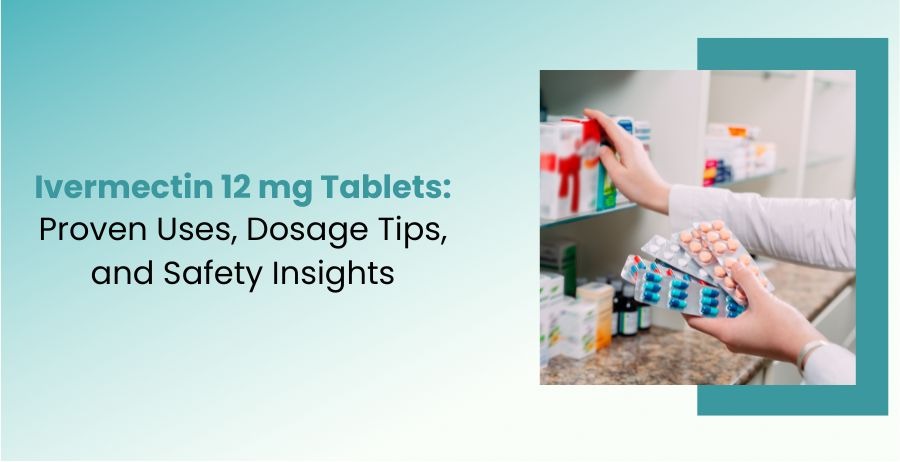
Ivermectin 12 mg Tablets: Proven Uses, Dosage Tips, and Safety Insights

- Written By : dharmik dharmik
- Published on : March 22, 2026
- Last updated on : March 20, 2026
Introduction
Ivermectin 12 mg tablets are a widely recognized medication primarily used to treat various parasitic infections in humans. Originally developed in the late 20th century, Ivermectin works by interfering with the nervous system of certain parasites, effectively paralyzing and eliminating them from the body. Its applications include treating conditions such as strongyloidiasis, onchocerciasis (river blindness), scabies, and other parasitic infestations. Over the years, research has also explored its potential roles in other medical areas, although its primary use remains antiparasitic.
The benefits of Ivermectin 12 mg include its broad-spectrum efficacy against multiple parasites and its relatively convenient oral administration, often requiring only a single dose or short treatment course depending on the condition. However, the correct dosage is crucial and must be tailored to the patient’s weight, age, and the specific infection being treated. For most adult humans, a single 12 mg dose may be sufficient, but some conditions require repeated or adjusted doses under medical supervision.
What Is Ivermectin?
Ivermectin is a medication derived from naturally occurring compounds produced by a type of soil bacterium. Originally developed as an antiparasitic drug, it has been widely used in both humans and animals to treat a range of parasitic infections. In humans, it is particularly effective against certain parasites such as roundworms, intestinal worms, and external parasites like scabies mites and lice.
The 12 mg strength refers to the amount of the active ingredient contained in each tablet. This specific dose is commonly prescribed in adult treatment protocols.
Understanding Ivermectin 12 mg Tablet
Chemical Characteristics
An Ivermectin 12 mg tablet contains 12 milligrams of the active pharmaceutical ingredient, ivermectin. While available in other strengths as well (such as 3 mg or 6 mg tablets), the 12 mg dose is often used when higher dosing is needed based on weight or specific treatment guidelines.
Ivermectin is administered orally and is generally well‑absorbed through the gastrointestinal tract. Once in the body, it travels via blood circulation to target parasites, interfering with their nervous systems and eventually leading to their paralysis and death.
How Does Ivermectin Work?
To understand how Ivermectin 12 mg tablets function, it helps to look at their action at a microscopic level.
Ivermectin works by binding to specific nerve and muscle cell receptors in parasites — particularly glutamate‑gated chloride channels. Once bound, the drug increases the permeability of the cell membrane to chloride ions, leading to hyperpolarization of the cell. This essentially disrupts the parasite’s ability to transmit nerve signals, causing paralysis and eventually elimination from the host body.
Importantly, ivermectin has a greater affinity for parasite receptors than human ones, making it relatively safe when used correctly.
Ivermectin 12 mg Tablet Uses
The most common uses of Ivermectin 12 mg tablets include:
1. Treating Parasitic Infections
Ivermectin tablets are primarily prescribed to treat a variety of parasitic infections, such as:
- Strongyloidiasis – A condition caused by a type of roundworm that affects the small intestine.
- Onchocerciasis (River Blindness) – A tropical disease caused by a parasitic worm transmitted by blackfly bites.
- Scabies – An infestation of the skin by microscopic mites.
- Headlice – Small insects that inflict the scalp and hair.
Each of these conditions may require different dosing strategies and treatment durations.
For more information on parasitic infection treatment protocols, you can visit this comprehensive resource on parasitic diseases.
2. Veterinary and Animal Health (Not for Human Use)
While this blog focuses on tablet formulations for humans, ivermectin is also widely used in veterinary medicine. It treats parasites in livestock, pets, and farm animals. However, veterinary ivermectin formulations should never be used by humans due to differences in concentration and safety standards.
3. Potential Research Uses
Over the years, researchers have studied ivermectin for additional therapeutic potential, including antiviral and anti‑inflammatory effects. However, these are areas of ongoing research and require more clinical evidence before becoming standard treatments.
For recent scientific updates on drug repurposing and clinical trials.
How to Take Ivermectin 12 mg Tablets
The way you take Ivermectin 12 mg can vary depending on the condition being treated, your body weight, age, and your doctor’s judgment.
Here are some general guidelines:
1. With or Without Food
Most healthcare professionals recommend taking ivermectin tablets on an empty stomach with a full glass of water. However, food intake can sometimes enhance absorption — follow your doctor’s instructions accordingly.
2. Dosing Based on Weight
While the tablet strength is fixed at 12 mg, the actual amount of ivermectin delivered per kilogram of body weight varies. This is why the Ivermectin 12 mg dosage for humans is not universally the same for everyone.
For example:
- A standard dosing schedule may be 150–200 micrograms per kilogram of body weight.
- Larger individuals might require more than one 12 mg tablet to achieve therapeutic levels.
Always consult a licensed healthcare provider to determine the right dose for your specific situation.
3. Frequency of Dosing
In many cases, ivermectin may be given as a single dose for certain parasitic infections. In other situations, multiple doses may be spaced out over days or weeks. Always follow your doctor’s prescription and complete the full course.
Ivermectin 12 mg Dosage for Humans
Understanding the Ivermectin 12 mg dosage for humans is essential for safe and effective treatment.
Because ivermectin dosing often depends on body weight, healthcare providers calculate the dose according to your specific weight and medical condition.
Below is an illustrative (not prescriptive) breakdown:
| Weight Range | Approx. Ivermectin Dose |
|---|---|
| < 60 kg | 1× 12 mg tablet (once) |
| 60–80 kg | 1–2× 12 mg tablets (once) |
| > 80 kg | 2× 12 mg tablets (once or repeated based on guidance) |
⚠️ Note: This table is illustrative only. A professional medical evaluation is required to determine the exact dose.
For detailed pharmacology and medical guidelines, refer to standardized clinical resources such as the World Health Organization’s drug information database.
Possible Side Effects
Like any medication, Ivermectin 12 mg tablets may cause side effects in some individuals. Not everyone experiences them, but it’s important to be aware of what might occur.
Common Side Effects
- Nausea
- Diarrhea
- Dizziness
- Fatigue
- Mild skin rash
Less Common but Serious Side Effects
In rare cases, higher doses of ivermectin or drug interactions may cause more serious effects such as:
- Low blood pressure (hypotension)
- Vision changes
- Severe headache
- Confusion or altered mental status
If you notice any severe symptoms after taking ivermectin, seek medical attention immediately.
Interactions with Other Medications
Ivermectin can interact with other drugs, supplements, and even herbal products. Always tell your healthcare provider about all medications you are currently taking before starting ivermectin therapy.
Some substances that might interact with ivermectin include:
- Certain antibiotics
- Blood thinners
- Neurological medications
- Herbal supplements that affect liver enzymes
Who Should Not Take Ivermectin 12 mg Tablets?
Ivermectin is generally safe for most adults when prescribed appropriately, but certain groups should avoid it or use it only under strict medical supervision:
1. Pregnant or Nursing Women
Safety during pregnancy and breastfeeding is not well‑established.
2. People with Liver or Kidney Impairment
These conditions may affect how the body processes the drug.
3. Individuals Allergic to Ivermectin
Any history of allergic reactions to similar medications excludes use.
4. People Taking Interfering Medications
Certain medications may increase risks or reduce efficacy.
Always disclose your medical history to your doctor before starting treatment.
Benefits of Ivermectin 12 mg Tablets
Despite being an old medication, ivermectin still offers valuable health benefits:
1. Targeted Parasitic Elimination
It has a strong track record for safely removing parasites.
2. Rapid Symptom Relief
Many patients experience symptom improvements soon after treatment.
3. Easy Oral Administration
Tablets are convenient and accessible.
4. Cost‑Effective
Ivermectin is typically affordable compared to some newer antiparasitic drugs.
Ivermectin in Modern Medicine
Over time, ivermectin has proven to be an essential drug in global health. It is included in the World Health Organization’s list of essential medicines, a testament to its importance and effectiveness in treating parasitic diseases in various regions around the world.
FAQs About Ivermectin 12 mg Tablets
Q1: What is the purpose of an Ivermectin 12 mg tablet?
A: It is used to treat parasitic infections in humans, particularly those caused by certain worms, mites, and lice.
Q2: How long does it take for ivermectin to work?
A: Many people experience relief within a few days, but full parasite elimination may take longer depending on the condition.
Q3: Can I take more than one Ivermectin 12 mg tablet at once?
A: Dosing depends on your weight and medical recommendation. Never self‑adjust dosage without a doctor’s guidance.
Q4: Is ivermectin safe for everyone?
A: No. Pregnant women, children without medical advice, and people with specific health issues may need alternative treatments.
Q5: Are there natural remedies that work like ivermectin?
A: While some traditional remedies are believed to support parasite elimination, they are not scientifically proven to replace ivermectin’s effectiveness. Always consult a healthcare professional.
Q6: Can ivermectin treat viral infections?
A: Clinical evidence does not support the use of ivermectin as a primary treatment for viral diseases unless studied under clinical trial protocols.
Conclusion
Ivermectin 12 mg tablets remain a useful and reliable treatment option for several parasitic infections, supported by decades of clinical use and research. With proper dosage and medical supervision, it can help patients eliminate parasites and regain health. However, misuse, misunderstanding, or unsupervised dosing can lead to side effects or complications.
If you think you may need ivermectin or have symptoms of a parasitic infection, the safest step is to consult a licensed healthcare provider who can evaluate your condition and recommend the appropriate therapy based on evidence‑based medicine.
Table of Contents
Product categories
- AMOXICILLIN
- AZITHROMYCIN
- Cancer
- Cephalexin
- Ciprofloxacin
- CLENBUTEROL
- Colchicine
- Doxycycline
- Erectile Dysfunction
- FENBENDAZOLE & MEBENDAZONE
- Fluconazole
- Fluvoxamine
- Gabapentin
- General
- Generic Paxlovid
- Hdroxychloroquine
- Hormonal
- Infection
- Inhaler & Respules
- Ivermectin
- Low And High Dose Naltrexone
- Metronidazole
- OLANZAPINE & MIRTAZAPINE
- Other
- Pirfenidone
- PREDNISONE
- Psychiatric Medicine
- Skin Care
- Testosterone
- Thyroid
- Viral Care
- VITAMIN B12 & VITAMIN D3
- Weight Loss & Diabetic