
Blog
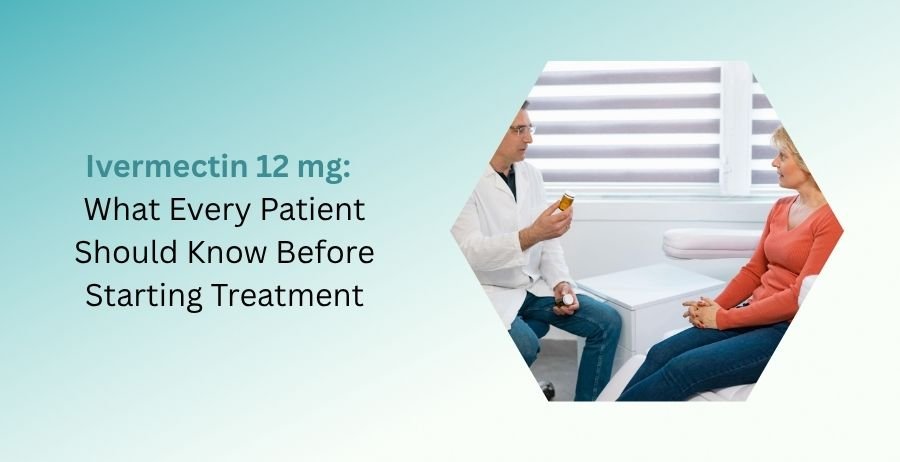
Ivermectin 12 mg: What Every Patient Should Know Before Starting Treatment
- Published on : July 12, 2026
Introduction
Ivermectin 12 mg is a prescription antiparasitic medication used to treat certain parasitic infections in humans. It contains Ivermectin, a medicine that has been used for decades in the treatment of specific parasitic diseases when prescribed by a qualified healthcare professional.
Although Ivermectin is an established treatment for approved parasitic infections, it is not appropriate for every patient or every illness. Safe treatment depends on receiving the correct diagnosis, using the proper dosage, and following professional medical advice.
This guide explains what patients should know before starting Ivermectin 12 mg, including how it works, approved medical uses, possible side effects, safety precautions, and important questions to discuss with a healthcare provider.
What Is Ivermectin 12 mg?
Ivermectin 12 mg is an oral prescription medicine belonging to the anthelmintic class of medications. It works against certain parasites that infect the human body.
Healthcare professionals prescribe ivermectin only after confirming that the patient’s condition is one for which the medicine is appropriate.
Before prescribing treatment, your healthcare provider may consider:
- The type of parasitic infection
- Your body weight
- Your age
- Your medical history
- Liver function
- Current medications
- Pregnancy or breastfeeding status
How Does Ivermectin Work?
Parasites rely on normal nerve and muscle function to survive.
Ivermectin interferes with these functions in susceptible parasites, causing paralysis and eventually eliminating the organisms from the body through natural processes.
Rather than simply relieving symptoms, ivermectin targets the parasites responsible for the infection.
Approved Medical Uses
Depending on the diagnosis and local regulatory approvals, healthcare professionals may prescribe ivermectin for certain parasitic infections, including:
Strongyloidiasis
An intestinal infection caused by Strongyloides stercoralis.
Onchocerciasis
Also known as river blindness, this infection is caused by Onchocerca volvulus.
Selected Parasitic Skin Conditions
In some situations, oral ivermectin may be recommended for certain parasite-related skin conditions when clinically appropriate.
Treatment decisions always depend on professional medical evaluation.
Important Things to Know Before Starting Treatment
Before taking Ivermectin 12 mg, tell your healthcare provider if you:
- Have liver disease
- Have kidney disease
- Have neurological conditions
- Have a weakened immune system
- Are pregnant or planning pregnancy
- Are breastfeeding
- Have allergies to ivermectin
- Take prescription or over-the-counter medicines
- Use herbal supplements or vitamins
Providing complete medical information helps reduce the risk of unwanted side effects or drug interactions.
How to Take Ivermectin 12 mg
Always take Ivermectin 12 mg exactly as prescribed.
General recommendations include:
- Take the medicine only as directed.
- Swallow the tablet with water.
- Complete the full prescribed course.
- Never increase or decrease your dose without medical advice.
- Never share prescription medicine with another person.
If you miss a dose, contact your healthcare provider or pharmacist for guidance rather than taking extra medicine.
Possible Side Effects
Like all prescription medicines, Ivermectin 12 mg may cause side effects.
Common side effects include:
- Headache
- Dizziness
- Nausea
- Mild stomach discomfort
- Fatigue
- Temporary itching
Some symptoms may occur because of the body’s response to parasites being eliminated.
Seek urgent medical attention if you experience:
- Difficulty breathing
- Swelling of the face or throat
- Severe allergic reactions
- Sudden vision changes
- Seizures
- Severe confusion
Although these reactions are uncommon, they require immediate medical care.
Drug Interactions
Some medicines can interact with ivermectin.
Tell your healthcare provider if you use:
- Blood-thinning medicines
- Medicines affecting the nervous system
- Prescription medications
- Herbal supplements
- Vitamins
- Over-the-counter medicines
A complete medication review helps improve treatment safety.
Who Should Avoid Ivermectin?
Ivermectin may not be suitable for everyone.
Your healthcare provider will determine whether treatment is appropriate if you:
- Have significant liver disease
- Have certain neurological disorders
- Have experienced allergic reactions to ivermectin
- Are taking medicines that may interact with ivermectin
Never use ivermectin products intended for animals.
Tips for Successful Treatment
Patients can support recovery by:
- Taking medicine exactly as prescribed
- Maintaining good hand hygiene
- Drinking clean water
- Washing fruits and vegetables thoroughly
- Attending follow-up appointments if recommended
- Reporting unusual symptoms promptly
These steps may also help reduce the risk of reinfection.
Frequently Asked Questions
What is Ivermectin 12 mg used for?
It is prescribed for certain parasitic infections when recommended by a qualified healthcare professional.
Can I use ivermectin without a prescription?
Patients should only use ivermectin under professional medical guidance where a prescription is required.
Is ivermectin an antibiotic?
No. It is an antiparasitic medicine and does not treat bacterial infections.
Can I stop treatment when I feel better?
No. Complete the prescribed treatment unless your healthcare provider advises otherwise.
Should I take veterinary ivermectin?
No. Products formulated for animals should never be used by humans.
Storage Information
Store Ivermectin 12 mg:
- At room temperature
- Away from moisture
- Away from direct sunlight
- In the original packaging
- Out of reach of children
Always check the expiration date before use.
Final Thoughts
Ivermectin 12 mg is an established prescription medicine used to treat certain parasitic infections. Before starting treatment, patients should understand why the medicine has been prescribed, how to take it correctly, the possible side effects, and the importance of following professional medical advice. Safe and effective treatment begins with an accurate diagnosis and open communication with a qualified healthcare provider.
Table of Contents
Product categories
- AMOXICILLIN
- AZITHROMYCIN
- Cancer
- Cephalexin
- Ciprofloxacin
- CLENBUTEROL
- Colchicine
- Doxycycline
- Erectile Dysfunction
- FENBENDAZOLE & MEBENDAZONE
- Fluconazole
- Fluvoxamine
- Gabapentin
- General
- Generic Paxlovid
- Hdroxychloroquine
- Hormonal
- Infection
- Inhaler & Respules
- Ivermectin
- Low And High Dose Naltrexone
- Metronidazole
- OLANZAPINE & MIRTAZAPINE
- Other
- Pirfenidone
- PREDNISONE
- Psychiatric Medicine
- Skin Care
- Testosterone
- Thyroid
- Viral Care
- VITAMIN B12 & VITAMIN D3
- Weight Loss & Diabetic