

Blog
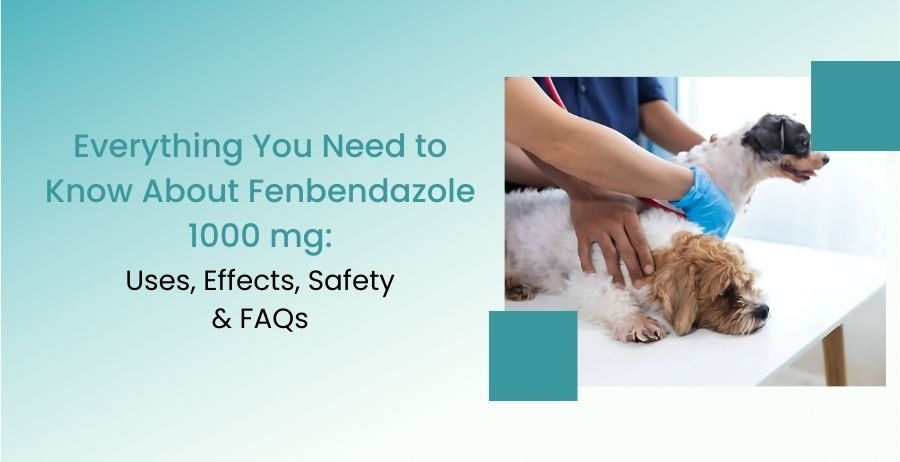
Everything You Need to Know About Fenbendazole 1000 mg: Uses, Effects, Safety & FAQs

- Written By : dharmik dharmik
- Published on : February 28, 2026
- Last updated on : March 2, 2026
In recent years, Fenbendazole 1000 mg has gained attention far beyond its traditional veterinary roots. Once known primarily as a deworming agent for animals, questions about its properties, applications, safety profile, and relevance to human health have become widespread. This comprehensive guide will walk you through everything—what it is, how it works, common uses, safety considerations, scientific insights, and frequently asked questions.
What Is Fenbendazole 1000 mg?
Fenbendazole is an anthelmintic drug commonly used to treat parasitic worm infections. The Fenbendazole 1000 mg formulation specifically refers to tablets containing 1000 milligrams of the active compound—an amount typically intended for larger animals or specific dosing regimens in veterinary practice.
This compound belongs to the benzimidazole class of anthelmintics, meaning it interferes with the function of microtubules in parasitic worms, ultimately immobilizing and eliminating them.
History & Background
Fenbendazole was first developed in the 1970s as a broad‑spectrum dewormer for livestock and companion animals. Over decades, it earned a reputation for effectiveness and a relatively favorable safety profile in animals such as:
- Dogs
- Cats
- Horses
- Pigs
- Cattle
Although its primary applications are veterinary, online discussions and research interest have expanded its visibility, sometimes leading to questions about human relevance.
Mechanism of Action
The way Fenbendazole 1000 mg works is rooted in biochemistry. Parasitic worms depend on a protein called tubulin to build microtubules—key structural components needed for nutrient uptake and cell division.
Fenbendazole binds to β‑tubulin and prevents it from forming functional microtubules, causing:
- Starvation of the parasite
- Disruption in cell division
- Gradual death of the worm
This biological mechanism makes it efficient against worms such as:
- Roundworms
- Hookworms
- Whipworms
- Certain tapeworms
- Giardia parasites (in some species)
Common Uses in Veterinary Medicine
In animal health care, Fenbendazole 1000 mg tablet is typically used for:
Dogs and Cats
Veterinarians prescribe it to treat common intestinal parasites like roundworms and hookworms. It’s often favored for its broad coverage and relative safety.
Livestock & Farm Animals
Farm animals may receive this drug to manage infestations that could otherwise affect growth, weight, and productivity.
Horses
Fenbendazole is part of rotational deworming strategies to control worm populations and resistance patterns over time.
Pharmacological Properties
Fenbendazole demonstrates the following features:
- Poor absorption in gastrointestinal tract: Most of the compound remains in the gut, targeting parasites directly.
- Metabolized in the liver: A small portion transforms into related compounds.
- Wide margin of safety in animals compared to many other antiparasitic drugs.
Despite its effectiveness, dosage accuracy and veterinary guidance are crucial to avoid under‑ or over‑treatment.
How Fenbendazole Tablets Work in Practice
A Fenbendazole 1000 mg tablet is designed for ease of administration. Depending on the animal’s weight and parasite burden, veterinarians may recommend:
✔ Daily dosing for several days
✔ Single high doses for specific infestations
✔ Rotational use with other anthelmintics
Animal owners are typically advised to administer the tablets with food to minimize gastrointestinal upset.
Dosage & Administration (Animal Context)
Every species and condition can require different dosage strategies. Below is a general outline:
| Species | Typical Use | Example Dose (General) |
|---|---|---|
| Dogs | Intestinal worms | ~50 mg/kg daily for 3–5 days |
| Cats | Roundworm/Hookworm treatment | ~50 mg/kg daily for 3–5 days |
| Horses | Controlled deworming | Dose based on weight & vet plan |
| Cattle/Sheep | Farm infestation control | Dosing varies by species/weight |
⚠ Always consult a veterinarian for precise regimens and diagnostics.
Safety, Side Effects & Toxicity
While Fenbendazole 1000 mg is widely considered safe in animals, potential side effects may include:
- Nausea
- Vomiting
- Diarrhea
- Mild appetite changes
Major adverse effects are uncommon but possible, especially if dosing is incorrect or if the animal has pre‑existing conditions.
Toxicity
Fenbendazole has a wide safety margin in many species, meaning severe toxicity is rare when used correctly. Still, misuse or incorrect dosage can lead to complications.
Misconceptions About Human Use
Some internet communities have speculated about Fenbendazole’s applicability to humans for various purposes. However:
⚠ Fenbendazole is not approved for human use by major regulatory health authorities.
If you read about human “off‑label” uses, be aware:
- Anecdotal stories are not scientific evidence
- Clinical trials in humans are limited
- Veterinary drugs require rigorous evaluation before safe human application
For medically validated antiparasitic treatments in humans, healthcare professionals typically prescribe drugs approved for human use.
🔗 See the CDC’s guidelines on human parasitic treatments.
Current Research & Scientific Evidence
Fenbendazole continues to be the focus of veterinary pharmacology and parasitology research. Some studies explore its biochemical pathways, resistance patterns in parasites, and potential novel applications.
If you’re interested in the scientific literature, PubMed is a useful resource for peer‑reviewed research.
The key takeaway is: research in animals does not automatically translate to human therapeutics. Clinical validation, dosing, safety assessments, and regulatory review are essential steps.
Interactions & Precautions
Even in veterinary use, fenbendazole may interact with:
🔹 Other anthelmintics used simultaneously
🔹 Medications affecting liver enzymes
🔹 Specific chronic health conditions
Veterinarians evaluate:
✅ Animal age
✅ Weight
✅ Pregnancy status
✅ Concurrent medications
This ensures responsible and safe care.
Purchasing & Quality Considerations
Authentic Fenbendazole 1000 mg tablets should come from:
✔ Licensed pharmaceutical manufacturers
✔ Verified animal health suppliers
✔ Veterinary prescriptions
Avoid products that:
- Lack clear labeling
- Have uncertain manufacturing sources
- Are marketed without veterinary guidance
Reliable suppliers will also provide batch information, expiration dates, and proper dosing instructions.
Personal Stories vs. Clinical Evidence
Online personal stories may seem inspiring, but it’s important to distinguish:
📌 Anecdotal experiences are not scientific evidence.
📌 Clinical trials and peer‑reviewed data provide reliable conclusions.
Always prioritize reputable medical or veterinary guidance over unverified claims.
FAQs (Frequently Asked Questions)
Q1: What does Fenbendazole 1000 mg treat?
A: In animals, it treats various intestinal parasites such as roundworms, hookworms, whipworms, and some protozoa.
Q2: Can humans take Fenbendazole 1000 mg?
A: No—Fenbendazole is not approved for human use by medical authorities. Only medications specifically approved for humans should be used under medical supervision.
Q3: Is Fenbendazole safe for dogs?
A: Yes, when prescribed and dosed by a veterinarian, it is generally safe with a favorable safety profile.
Q4: Can I buy Fenbendazole online?
A: Yes, you can purchase it from licensed animal health suppliers, but ensure quality and proper usage guidance.
Q5: Are there side effects?
A: Mild gastrointestinal changes are the most common. Serious effects are rare when correctly administered.
Final Thoughts
Fenbendazole 1000 mg remains a valuable tool in veterinary medicine for controlling parasitic infections. While discussions about broader applications grab attention online, it is important to rely on evidence‑based information, appropriate dosing, and professional guidance.
Veterinarians are the best resource for determining whether a Fenbendazole 1000 mg tablet is suitable for a specific animal and condition.
If you’re exploring antiparasitic treatments for humans, always consult a qualified medical practitioner—human pharmacology has its own set of approved treatments and safety standards.
Table of Contents
Product categories
- AMOXICILLIN
- AZITHROMYCIN
- Cancer
- Cephalexin
- Ciprofloxacin
- CLENBUTEROL
- Colchicine
- Doxycycline
- Erectile Dysfunction
- FENBENDAZOLE & MEBENDAZONE
- Fluconazole
- Fluvoxamine
- Gabapentin
- General
- Generic Paxlovid
- Hdroxychloroquine
- Hormonal
- Infection
- Inhaler & Respules
- Ivermectin
- Low And High Dose Naltrexone
- Metronidazole
- OLANZAPINE & MIRTAZAPINE
- Other
- Pirfenidone
- PREDNISONE
- Psychiatric Medicine
- Skin Care
- Testosterone
- Thyroid
- Viral Care
- VITAMIN B12 & VITAMIN D3
- Weight Loss & Diabetic