
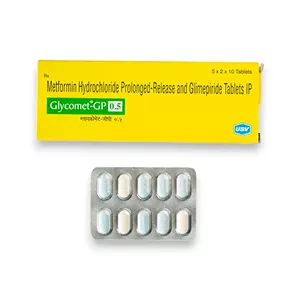
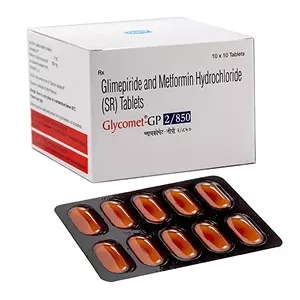
Glimepiride 0.5 mg+ Metformin 500 mg
Price range: $55.00 through $100.00
| Quantity Value | Price | Price/Unit | Quantity | Add To Cart |
|---|---|---|---|---|
| 100 Tablets | $55.00 | $0.55 / Piece |

|
|
| 200 Tablets | $100.00 | $0.50 / Piece |
|
SKU : N/A
Category : Other
Glimepiride 0.5 mg + Metformin 500 mg
Glimepiride 0.5 mg + Metformin 500 mg is a combination oral antidiabetic medicine used to help control blood glucose levels in adults with Type 2 diabetes mellitus. It combines two medicines with different but complementary actions: Glimepiride, a sulfonylurea, and Metformin, a biguanide.
Glimepiride helps the pancreas release insulin, while Metformin reduces glucose production by the liver and improves the body’s sensitivity to insulin. Together, they can help improve blood sugar control when diet, exercise, and a single diabetes medicine may not provide adequate control.
This medicine should be taken according to the instructions of a qualified healthcare professional and used as part of a comprehensive diabetes-management plan.
What Is Glimepiride 0.5 mg + Metformin 500 mg?
Each tablet contains:
- Glimepiride 0.5 mg – an oral sulfonylurea that stimulates insulin release from pancreatic beta cells.
- Metformin 500 mg – a biguanide that decreases glucose production in the liver and improves insulin sensitivity.
The combination provides two different approaches to controlling elevated blood glucose. The appropriate strength and dosing schedule depend on factors such as blood glucose levels, previous diabetes treatment, kidney function, diet, and other medicines being used.
Uses of Glimepiride 0.5 mg + Metformin 500 mg
This combination is primarily used for the management of Type 2 diabetes mellitus.
It may be prescribed to:
- Help lower elevated blood glucose levels
- Improve overall glycemic control
- Reduce excessive glucose production by the liver
- Improve the body’s response to insulin
- Increase insulin release from the pancreas
- Support blood sugar management alongside diet and exercise
This medicine is not generally used for Type 1 diabetes mellitus or diabetic ketoacidosis.
How Does Glimepiride + Metformin Work?
The two ingredients work through different mechanisms.
Glimepiride
Glimepiride belongs to the sulfonylurea class. It stimulates the pancreatic beta cells to release insulin. Increased insulin availability allows glucose to move from the bloodstream into tissues for energy use.
Because Glimepiride increases insulin secretion, it can cause hypoglycemia (low blood sugar), particularly when meals are skipped, food intake is inadequate, or it is combined with other glucose-lowering treatments.
Metformin
Metformin works mainly by reducing glucose production by the liver. It also improves insulin sensitivity, helping the body’s tissues use available glucose more efficiently.
Metformin used alone generally has a low risk of causing hypoglycemia. However, when combined with Glimepiride, the overall risk of low blood sugar can increase.
Benefits of Glimepiride 0.5 mg + Metformin 500 mg
When prescribed appropriately, this combination may provide several benefits for people with Type 2 diabetes:
- Combines two complementary mechanisms of blood glucose control
- Helps improve insulin sensitivity
- Reduces excessive glucose production by the liver
- Supports improved glycemic control
- May be useful when one antidiabetic medicine is insufficient
- Can be incorporated into a broader diabetes-management plan
Individual responses vary, so regular medical monitoring is important.
How to Take Glimepiride 0.5 mg + Metformin 500 mg
Take this medicine exactly as prescribed by your doctor.
It is commonly taken with or shortly before a meal, depending on the specific product and your healthcare professional’s instructions. Taking Metformin with food can help reduce gastrointestinal discomfort.
Swallow the tablet with water. Do not crush, split, or chew it unless the product instructions specifically permit this.
Try to take the medicine at the same time each day. Do not increase, decrease, or discontinue the dose without professional medical advice.
If You Miss a Dose
If you forget to take a dose, take it when you remember if there is sufficient time before your next scheduled dose. If your next dose is approaching, skip the missed dose and return to your regular schedule.
Do not take a double dose to compensate for a missed tablet.
Possible Side Effects
Like all medicines, Glimepiride + Metformin can cause side effects, although they do not occur in everyone.
Possible side effects include:
- Nausea
- Diarrhea
- Abdominal discomfort
- Vomiting
- Loss of appetite
- Headache
- Dizziness
- Changes in taste
- Low blood sugar
Digestive side effects associated with Metformin may become less noticeable as the body adjusts to treatment.
Low Blood Sugar
Hypoglycemia is an important potential side effect because Glimepiride increases insulin release.
Symptoms may include:
- Sweating
- Shaking
- Hunger
- Dizziness
- Weakness
- Headache
- Confusion
- Rapid heartbeat
- Blurred vision
Severe hypoglycemia can result in seizures or loss of consciousness and requires urgent medical attention.
Important Safety Information
Before taking Glimepiride 0.5 mg + Metformin 500 mg, inform your healthcare professional about your complete medical history and all medicines or supplements you take.
Extra caution may be necessary if you have:
- Kidney disease
- Liver disease
- Heart failure or significant heart problems
- Severe infections
- Dehydration
- Adrenal or pituitary disorders
- A history of severe hypoglycemia
- Heavy or excessive alcohol consumption
Metformin is rarely associated with lactic acidosis, a serious condition. The risk can be increased in certain individuals, particularly those with significant kidney impairment or conditions associated with reduced tissue oxygenation.
Your healthcare professional may recommend kidney-function testing before and during treatment.
Drug Interactions
Glimepiride + Metformin can interact with certain medicines. Inform your doctor or pharmacist about all prescription medicines, over-the-counter products, vitamins, and herbal supplements you use.
Potential interactions may involve:
- Insulin
- Other antidiabetic medicines
- Certain antibiotics
- Beta-blockers
- Corticosteroids
- Some blood-pressure and heart medicines
- Medicines that affect kidney function
Some medicines may alter blood glucose levels or increase the risk of hypoglycemia.
Never start or stop another medication without discussing it with your healthcare professional.
Alcohol and Glimepiride + Metformin
Alcohol may increase the risk of hypoglycemia and can also increase concerns associated with Metformin, particularly when consumed in large quantities.
Avoid excessive alcohol consumption and discuss alcohol use with your healthcare professional.
Glimepiride + Metformin During Pregnancy and Breastfeeding
If you are pregnant, planning a pregnancy, or breastfeeding, speak with your healthcare professional before taking this medicine.
Diabetes management during pregnancy requires careful medical supervision. Your doctor can determine the most appropriate treatment based on your individual circumstances.
Who Should Avoid or Use Caution With This Medicine?
This combination may not be appropriate for everyone. Your healthcare professional should determine whether it is suitable if you have:
- Severe kidney impairment
- Severe liver disease
- Metabolic acidosis or diabetic ketoacidosis
- Type 1 diabetes
- A history of serious allergic reactions to Glimepiride, Metformin, or related medicines
- Conditions associated with dehydration or reduced oxygen supply to tissues
Do not use this medicine for a condition for which it has not been prescribed.
Frequently Asked Questions
What is Glimepiride 0.5 mg + Metformin 500 mg used for?
It is used to help manage blood glucose levels in adults with Type 2 diabetes mellitus when additional blood sugar control is required.
Can Glimepiride + Metformin cause low blood sugar?
Yes. Glimepiride increases insulin secretion and can cause hypoglycemia. The risk may be higher if meals are skipped or the medicine is combined with other glucose-lowering treatments.
Should I take Glimepiride + Metformin with food?
Follow your prescribed instructions and the specific product information. Combination tablets are commonly taken with meals or shortly before meals, which may also help reduce stomach-related effects from Metformin.
Can this medicine cure Type 2 diabetes?
No. It helps control blood glucose but does not cure Type 2 diabetes. Effective management generally requires medication together with appropriate nutrition, physical activity, regular monitoring, and medical follow-up.
Can I stop taking the medicine if my blood sugar becomes normal?
Do not stop your diabetes medicine without consulting your healthcare professional. Normal blood glucose may indicate that your treatment and lifestyle measures are helping control the condition.
Does Metformin cause diarrhea?
Diarrhea and other gastrointestinal effects can occur, especially when starting Metformin. Taking the medicine with food may help improve tolerability. Contact your healthcare professional if symptoms are severe or persistent.
How should Glimepiride + Metformin be stored?
Store the medicine according to the instructions on the product packaging, generally at room temperature and away from excessive heat, moisture, and direct sunlight. Keep it out of reach of children.
Conclusion
Glimepiride 0.5 mg + Metformin 500 mg combines two antidiabetic medicines that work through complementary mechanisms to help control blood glucose in adults with Type 2 diabetes. Glimepiride stimulates insulin release, while Metformin reduces glucose production by the liver and improves insulin sensitivity.
For effective diabetes management, medication should be combined with an appropriate diet, regular physical activity, blood glucose monitoring, and routine medical follow-up. Because Glimepiride can cause hypoglycemia and Metformin requires attention to kidney function, this medicine should be used only according to professional medical advice.
Medical Disclaimer: This content is provided for educational and informational purposes only. It is not a substitute for professional medical advice, diagnosis, or treatment. Always consult a qualified healthcare professional before starting, stopping, or changing any medication. The appropriate dose and treatment duration should be determined according to your individual health condition and response to treatment.
| Pack Size |
100 Tablets ,200 Tablets |
|---|
Related products

Seroflo Ciphaler 250 mcg
Seroflo Ciphaler 250 mcg is a metered-dose inhaler containing salmeterol and fluticasone propionate. It is prepared and handled following standard quality and packaging practices to ensure consistency and reliability.
This product is intended for use under the supervision of a qualified healthcare professional. Usage and administration may vary depending on individual requirements and regional guidelines.