
Blog
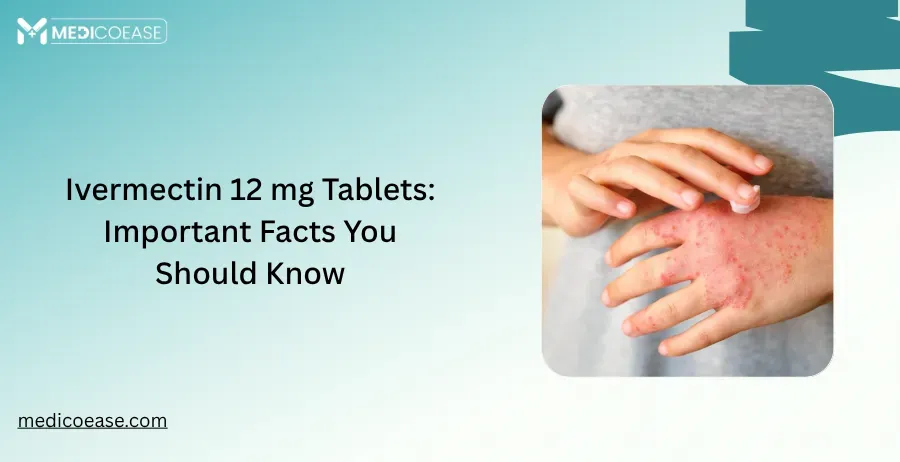
Ivermectin 12 mg Tablets: Important Facts You Should Know
- Published on : November 3, 2026
Understanding a medication before using it is an important part of responsible healthcare. Ivermectin is an antiparasitic medicine widely recognized for treating certain infections caused by parasites. It works by targeting specific parasites and helping the body eliminate them.
Ivermectin 12 mg Tablets are a commonly marketed strength of this medication. However, the appropriate dose and treatment schedule depend on the type of infection, body weight, medical history, and healthcare professional’s recommendations.
Whether you want to understand its medical uses, possible side effects, or important safety precautions, this guide covers the essential information in simple, easy-to-understand language.
What Are Ivermectin 12 mg Tablets?
Ivermectin belongs to a group of medicines known as antiparasitic agents. It is used to treat certain parasitic infections affecting humans.
The medication works by interfering with the nervous system and muscle function of susceptible parasites, eventually causing paralysis and death. This helps the body eliminate the parasites responsible for the infection.
Ivermectin 12 mg Tablets contain ivermectin as their active ingredient. Although 12 mg is a specific tablet strength, it does not mean that every patient should take one tablet. The appropriate amount must be determined according to the infection being treated and individual medical requirements.
What Are Ivermectin 12 mg Tablets Used For?
Ivermectin has established medical uses for several parasitic infections. Its approved indications may vary depending on the country and product.
Some recognized uses include:
1. Strongyloidiasis
Strongyloidiasis is an intestinal infection caused by the parasitic worm Strongyloides stercoralis. It can cause abdominal discomfort, diarrhea, skin symptoms, and other complications.
Ivermectin is an established treatment for uncomplicated strongyloidiasis and helps eliminate the parasite.
2. Onchocerciasis
Also known as river blindness, onchocerciasis is caused by a parasitic worm transmitted through infected blackfly bites.
Ivermectin helps reduce the number of developing parasite larvae, helping control symptoms and prevent complications associated with the infection.
3. Certain Other Parasitic Conditions
Oral ivermectin is also used by healthcare professionals in certain circumstances for conditions such as scabies and some other parasitic infestations. Approval and treatment recommendations differ by location and condition.
It is important to receive a proper diagnosis before considering treatment. Not every skin irritation, itching problem, or digestive complaint is caused by parasites.
How Do Ivermectin 12 mg Tablets Work?
Ivermectin works by interacting with specific chloride channels in susceptible parasites. This disrupts their nervous system and muscle activity.
As a result, the parasites become paralyzed and eventually die or are eliminated from the body.
One important distinction is that ivermectin is not a general-purpose medicine for every infection. It does not treat bacterial or viral infections, and there is no established evidence supporting its use for preventing or treating COVID-19.
Possible Side Effects of Ivermectin 12 mg Tablets
Like other medications, ivermectin can cause side effects. Their severity depends on individual health conditions, dosage, and the type of parasitic infection.
Some commonly reported effects include:
- Nausea
- Diarrhea
- Dizziness
- Headache
- Stomach discomfort
- Fatigue
Some reactions may also be related to the body’s response to dying parasites rather than the medication alone.
Serious Side Effects
Although uncommon, serious reactions can occur. Seek immediate medical attention if you experience:
- Severe allergic reactions
- Difficulty breathing
- Significant swelling
- Confusion or altered consciousness
- Seizures
- Severe skin reactions
- Problems with coordination or balance
People receiving treatment for certain parasitic infections may require additional monitoring because of inflammatory reactions associated with parasite death.
Important Precautions Before Taking Ivermectin
Before using Ivermectin 12 mg Tablets, it is important to discuss your medical history and current medications with a healthcare professional.
1. Inform Your Doctor About Existing Conditions
People with liver problems, neurological conditions, or other significant health concerns should discuss treatment suitability before taking ivermectin.
Your healthcare professional can determine whether additional precautions or monitoring are necessary.
2. Pregnancy and Breastfeeding
If you are pregnant, planning pregnancy, or breastfeeding, consult a healthcare professional before considering ivermectin.
Treatment decisions should consider the type and severity of infection, available alternatives, and potential risks.
3. Avoid Self-Medication
Do not choose a dose based only on the tablet strength or advice found online.
The correct treatment schedule depends on factors such as body weight, infection type, and clinical circumstances. Taking more than recommended can increase the risk of adverse effects.
4. Discuss All Current Medications
Tell your healthcare professional about prescription medicines, nonprescription products, and supplements you use.
This helps identify potential interactions and determine whether treatment adjustments are necessary.
5. Never Use Veterinary Ivermectin
Ivermectin products intended for animals are not interchangeable with human medicines. Veterinary formulations may contain different concentrations or inactive ingredients and can cause serious poisoning when used by humans.
Only use medicines specifically manufactured and prescribed for human use.
Potential Drug Interactions
Drug interactions can influence how medications work and may increase the risk of unwanted reactions.
Before starting Ivermectin 12 mg Tablets, disclose all medicines you currently take.
Some important considerations include:
- Warfarin: Ivermectin has been associated with increased INR in some patients taking warfarin. Additional monitoring may be necessary.
- Other antiparasitic medicines: Combining treatments without professional guidance may increase adverse-effect risks.
- Medicines affecting the nervous system: Certain combinations may require additional clinical assessment.
- Prescription and over-the-counter products: Your healthcare professional should review your complete medication list.
Never stop an existing prescription or combine treatments without medical advice.
Important Safety Tips for Responsible Use
A few simple precautions can help reduce medication-related risks:
- Follow the prescribed treatment schedule.
- Use only genuine human-use medication from a reliable pharmacy.
- Do not repeat a dose without professional instructions.
- Inform your healthcare provider about previous allergic reactions.
- Attend recommended follow-up appointments.
- Report unusual or persistent symptoms promptly.
Remember that treating a parasitic infection successfully may also require hygiene measures, environmental precautions, or treatment of other affected individuals, depending on the infection.
FAQs
1. What are Ivermectin 12 mg Tablets used for?
Ivermectin is used to treat certain parasitic infections, including strongyloidiasis and onchocerciasis. Oral ivermectin may also be used for certain other parasitic conditions under medical supervision.
2. How do Ivermectin 12 mg Tablets work?
Ivermectin interferes with specific nervous system functions in susceptible parasites, causing paralysis and eventually death. This allows the body to eliminate the parasites.
3. What are the common side effects of ivermectin?
Commonly reported side effects include nausea, diarrhea, dizziness, headache, fatigue, and stomach discomfort. Severe reactions require immediate medical attention.
4. Can I take ivermectin without a prescription?
Prescription requirements vary by country and product. Consult a qualified healthcare professional and follow local regulations before obtaining or using ivermectin.
5. Are Ivermectin 12 mg Tablets suitable for everyone?
No. Suitability depends on the infection, body weight, medical history, pregnancy status, and potential drug interactions. A healthcare professional should assess whether treatment is appropriate.
Final Thoughts
Ivermectin 12 mg Tablets are an established antiparasitic medication used for treating specific parasitic infections. Understanding their uses, possible side effects, drug interactions, and precautions is essential before considering treatment.
Although ivermectin can be effective when appropriately prescribed, the correct dose and treatment schedule depend on individual medical circumstances. Avoid self-medication, never use veterinary formulations, and consult a qualified healthcare professional whenever you have questions about treatment.
Responsible medication use, accurate diagnosis, and appropriate medical guidance are important steps toward safer and more effective healthcare.
Medical Disclaimer: This article is intended for educational purposes only. It does not replace professional medical advice, diagnosis, or treatment.
Table of Contents
Product categories
- AMOXICILLIN
- AZITHROMYCIN
- Cancer
- Cephalexin
- Ciprofloxacin
- CLENBUTEROL
- Colchicine
- Doxycycline
- Erectile Dysfunction
- FENBENDAZOLE & MEBENDAZONE
- Fluconazole
- Fluvoxamine
- Gabapentin
- General
- Generic Paxlovid
- Hdroxychloroquine
- Hormonal
- Infection
- Inhaler & Respules
- Ivermectin
- Low And High Dose Naltrexone
- Metronidazole
- OLANZAPINE & MIRTAZAPINE
- Other
- Pirfenidone
- PREDNISONE
- Psychiatric Medicine
- Skin Care
- Testosterone
- Thyroid
- Viral Care
- VITAMIN B12 & VITAMIN D3
- Weight Loss & Diabetic