
Blog
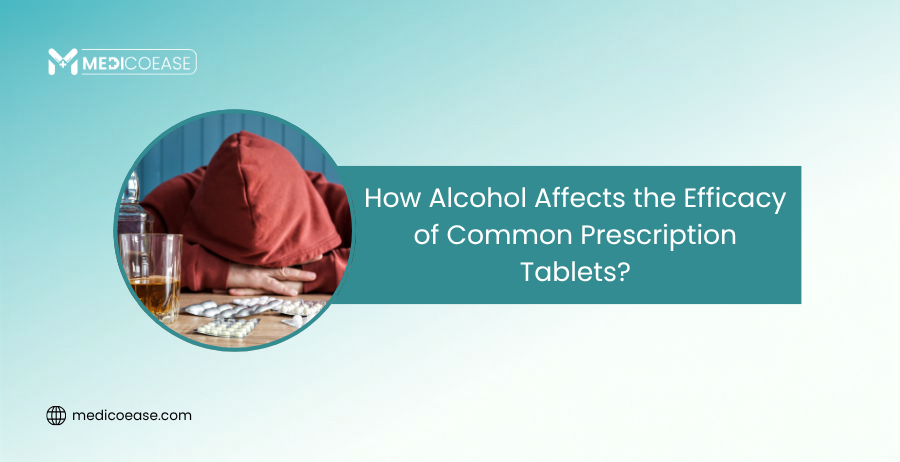
How Alcohol Affects the Efficacy of Common Prescription Tablets?
- Published on : September 14, 2026
Alcohol is a common part of social life, but mixing it with prescription medication can create problems that are easy to overlook. A tablet may be prescribed at the right dose and taken correctly, yet alcohol can still change how the medicine works in the body. Depending on the medication, alcohol may make its effects stronger, weaken its effectiveness, increase side effects, or create potentially serious health risks.
The interaction is not always obvious, and you should not assume that waiting a few hours between alcohol and medication makes the combination safe. The National Institute on Alcohol Abuse and Alcoholism (NIAAA) notes that alcohol and medicines can interact even when they are not taken at exactly the same time.
In this guide, we’ll look at how alcohol affects common prescription tablets, which types of medicines require particular caution, and what you can do to reduce the risk of unwanted interactions.
What Happens When Alcohol and Prescription Tablets Mix?
Alcohol can affect medicines in several different ways. One important mechanism involves drug metabolism. Both alcohol and many medications are processed by the liver, and alcohol can alter the way certain medicines are broken down. This may change the amount of medicine circulating in your bloodstream.
Alcohol can also change the pharmacological effects of a medication. For example, if a medicine already causes drowsiness, adding alcohol may make that drowsiness substantially worse. NIAAA identifies three major interaction pathways: alcohol can change medication metabolism, medications can alter alcohol metabolism, and alcohol can change the medication’s effects on the body.
The result can range from mild dizziness to much more serious complications.
Important: Never change, skip, double, or stop a prescription dose simply because you have consumed alcohol. If you’re unsure about a particular medicine, speak with your doctor or pharmacist.
Prescription Medicines Commonly Affected by Alcohol
Not every prescription tablet reacts with alcohol in the same way. The risk depends on the medicine, dose, frequency of alcohol consumption, individual health factors, and other medicines being taken.
1. Antidepressants
Some antidepressants can cause dizziness, sleepiness, impaired coordination, or changes in mood. Alcohol may intensify some of these effects.
Certain antidepressants may also have additional concerns involving the liver or blood pressure. For example, NIAAA lists potentially harmful interactions involving several antidepressants and alcohol.
If you are taking medication for depression or anxiety, it is particularly important to ask your healthcare professional whether alcohol is appropriate.
2. Anxiety and Sedative Medicines
Medicines such as benzodiazepines can slow activity in the central nervous system. Alcohol can have similar effects.
Combining the two may result in excessive drowsiness, impaired coordination, memory problems, slowed or difficult breathing, and an increased risk of overdose.
This is one of the combinations where avoiding alcohol is especially important.
3. Painkillers
Alcohol can interact with several types of pain medication.
For example, combining alcohol with acetaminophen can increase the risk of serious liver injury, while alcohol combined with aspirin can increase the risk of gastrointestinal bleeding. Alcohol can also increase the sedative and respiratory risks associated with opioid pain medicines.
Because many combination pain products contain multiple ingredients, checking the medication label is essential.
4. Blood Thinners
Warfarin is a commonly prescribed blood thinner that requires careful monitoring. Alcohol can interfere with its effects, and the nature of the interaction can vary with drinking patterns.
NIAAA notes that alcohol use with warfarin may contribute to bleeding, while heavier drinking may produce effects that can increase the risk of clotting and related complications.
5. Blood Pressure Medicines
Some medicines used to control blood pressure can cause dizziness or lightheadedness. Alcohol may amplify these effects, potentially increasing the likelihood of fainting or falls.
NIAAA lists several cardiovascular medicines that may interact with alcohol and cause dizziness, fainting, drowsiness, or changes in heart rhythm.
Can Alcohol Make Prescription Tablets Less Effective?
Yes. Alcohol does not simply increase medication effects; in some circumstances, it can also reduce medication effectiveness.
Changes in drug metabolism can alter the concentration of a medicine in the bloodstream. If medication levels become too low, the intended therapeutic effect may be reduced. The FDA explains that drug interactions can result in either increased drug exposure and side effects or decreased exposure and loss of efficacy.
This is why increasing your dose on your own is not a safe response if you believe a medicine isn’t working properly.
Why Timing Matters?
A common misconception is that alcohol and medication are safe as long as they are taken several hours apart.
Unfortunately, there is no universal waiting period that makes every medicine safe with alcohol. Some interactions can occur even when the medication and alcohol are consumed at different times.
The safest approach is to follow the medication’s prescribing information and ask a pharmacist or healthcare provider about alcohol specifically.
Signs of a Potential Alcohol-Medication Interaction
Possible warning signs can include:
- Unusual sleepiness or extreme fatigue
- Dizziness or loss of coordination
- Fainting
- Nausea or vomiting
- Confusion or unusual behavior
- Difficulty breathing
- Unusual changes in blood pressure
- Increased risk of bleeding
- Heart-related symptoms
NIAAA warns that alcohol-medication combinations can cause effects ranging from drowsiness and impaired coordination to internal bleeding, breathing difficulties, and other serious complications.
If someone develops severe symptoms, especially difficulty breathing, loss of consciousness, severe confusion, or suspected overdose, seek emergency medical assistance immediately.
How to Reduce the Risk
If you take prescription tablets regularly, consider these simple precautions:
Read the label: Medication information should explain important interactions and precautions.
Tell your healthcare provider about alcohol use: Honest information helps your doctor make safer treatment decisions.
Check every new medicine: Don’t assume that a medicine is safe with alcohol just because another prescription was.
Avoid guessing about dosage: Never take extra tablets because you believe alcohol has reduced the medicine’s effectiveness.
Ask your pharmacist: Pharmacists can check potential alcohol-medication interactions and explain how they may apply to your specific prescription.
The FDA recommends paying attention to medication labels and discussing potential interactions with healthcare professionals, particularly when taking multiple medicines.
FAQs
1. Can I drink alcohol while taking prescription medication?
It depends on the specific medication. Some prescription medicines can interact significantly with alcohol, while others may have different or less significant interactions. Check your prescription information and ask your doctor or pharmacist before drinking.
2. Does alcohol make medicine stop working?
Not necessarily. Alcohol can sometimes reduce medication effectiveness by changing drug metabolism, but it can also increase medication effects or side effects. The outcome depends on the specific drug and individual circumstances.
3. How long after taking a tablet can I drink alcohol?
There is no single safe waiting period for all prescription medicines. Some interactions may occur even when alcohol and medication are not taken simultaneously. Follow the instructions provided with your prescription and consult your pharmacist if you are uncertain.
4. Is one drink safe with prescription medicine?
Not always. The answer depends on the medicine, your health, the amount of alcohol, and other medications you may be using. If the label says to avoid alcohol, you should follow that instruction.
5. Can alcohol increase medication side effects?
Yes. Alcohol can intensify effects such as drowsiness, dizziness, impaired coordination, and lightheadedness with certain medicines. In some combinations, more serious complications can occur.
6. Should I skip my prescription if I have been drinking?
Do not skip, double, or alter your prescription without medical advice. If you have consumed alcohol and are unsure what to do, contact your doctor or pharmacist for medication-specific guidance.
Final Thoughts
Understanding how alcohol affects the efficacy of common prescription tablets is an important part of using medication responsibly. Alcohol can influence drug metabolism, alter the way a medicine affects your body, and potentially increase or decrease its effectiveness.
The safest choice is not to rely on assumptions about a particular tablet. Always check the prescription information, tell your healthcare professional about your alcohol consumption, and ask a pharmacist when you’re uncertain. Drug interactions vary considerably, so personalized medical advice is far safer than applying a general rule to every medication.
This article is for educational purposes only and does not replace advice from a qualified healthcare professional. Medication and alcohol interactions can vary by individual, dosage, medical history, and other medicines being used.
Table of Contents
Product categories
- AMOXICILLIN
- AZITHROMYCIN
- Cancer
- Cephalexin
- Ciprofloxacin
- CLENBUTEROL
- Colchicine
- Doxycycline
- Erectile Dysfunction
- FENBENDAZOLE & MEBENDAZONE
- Fluconazole
- Fluvoxamine
- Gabapentin
- General
- Generic Paxlovid
- Hdroxychloroquine
- Hormonal
- Infection
- Inhaler & Respules
- Ivermectin
- Low And High Dose Naltrexone
- Metronidazole
- OLANZAPINE & MIRTAZAPINE
- Other
- Pirfenidone
- PREDNISONE
- Psychiatric Medicine
- Skin Care
- Testosterone
- Thyroid
- Viral Care
- VITAMIN B12 & VITAMIN D3
- Weight Loss & Diabetic