
Blog
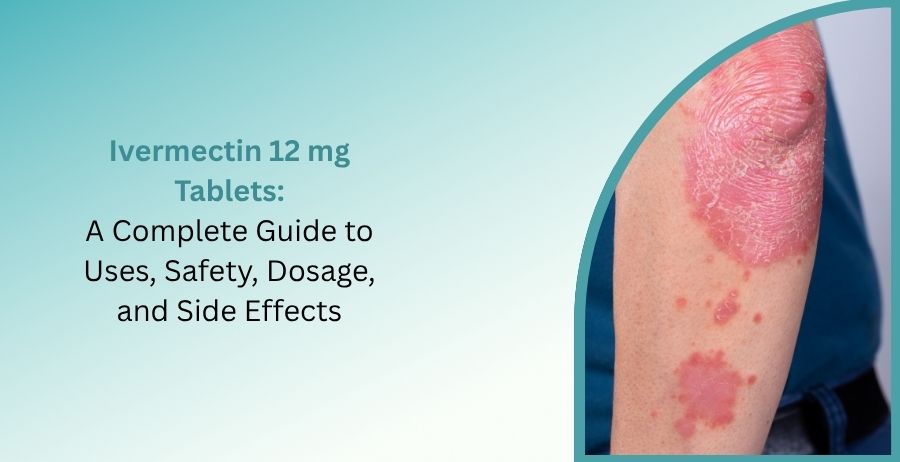
Ivermectin 12 mg Tablets: A Complete Guide to Uses, Safety, Dosage, and Side Effects
- Published on : June 29, 2026
Introduction
Ivermectin 12 mg tablets are prescription antiparasitic medicines used to treat certain parasitic infections in humans. They have been used worldwide for decades to manage specific infections caused by parasites when prescribed by a qualified healthcare professional. The correct dose depends on the condition being treated, body weight, medical history, and other medicines a patient may be taking.
Many people search for information about ivermectin because of its well-known role in treating parasitic diseases. However, it is important to understand that ivermectin is not a general-purpose medicine and should only be used for medically appropriate conditions. It does not treat bacterial infections such as strep throat or viral illnesses such as the common cold or influenza.
This guide explains what Ivermectin 12 mg tablets are, how they work, approved uses, safety precautions, possible side effects, medicine interactions, and answers to common questions.
What are Ivermectin 12 mg Tablets?
Ivermectin belongs to a class of medicines called anthelmintics, also known as antiparasitic medicines. These medicines are designed to eliminate certain parasites that infect the human body.
The “12 mg” refers to the strength of the tablet. It does not mean that every patient should take a 12 mg dose. Healthcare professionals determine the appropriate dose based on the patient’s weight, diagnosis, and current treatment guidelines.
How Ivermectin Works
Parasites rely on nerve and muscle signals to survive. Ivermectin interferes with these signals in susceptible parasites, causing paralysis and death of the organism. The body can then eliminate the parasites naturally.
Because ivermectin specifically targets certain parasites, it should only be used for infections where it is expected to be effective. Taking more than prescribed does not improve results and may increase the risk of side effects.
Approved Medical Uses
Depending on the country and clinical guidelines, healthcare professionals may prescribe ivermectin for conditions such as:
- Intestinal strongyloidiasis
- Onchocerciasis (river blindness)
- Certain other parasitic infections, when clinically appropriate
- In some settings, specific parasitic skin infestations under medical supervision
Treatment decisions depend on the diagnosed infection and the patient’s overall health.
Why a Medical Diagnosis Is Important
Many symptoms caused by parasitic infections—such as diarrhea, abdominal pain, itching, or skin changes—can also occur with other illnesses.
Before prescribing treatment, a healthcare professional may consider:
- Symptoms
- Travel history
- Laboratory testing
- Body weight
- Liver function
- Other medical conditions
- Current medications
An accurate diagnosis helps ensure that the right medicine is used.
How to Take Ivermectin Safely
Always take Ivermectin 12 mg tablets exactly as prescribed.
General recommendations include:
- Take the medicine exactly as directed.
- Do not take more than the prescribed dose.
- Do not share prescription medicines with others.
- Inform your healthcare provider about all medicines and supplements you take.
- Follow storage instructions provided with the medicine.
Many ivermectin regimens are taken on an empty stomach with water, but you should follow the instructions given by your prescriber or pharmacist.
Possible Side Effects
Like all medicines, ivermectin may cause side effects.
Common side effects include:
- Headache
- Dizziness
- Nausea
- Diarrhea
- Stomach discomfort
- Fatigue
- Mild skin rash
Some reactions may occur because the body is responding to dying parasites rather than the medicine itself.
Seek immediate medical attention if you experience:
- Difficulty breathing
- Swelling of the face or throat
- Severe allergic reactions
- Vision changes
- Seizures
- Severe confusion
- Fainting
These reactions require prompt medical evaluation.
Medicine Interactions
Tell your healthcare professional about all medicines you take, including:
- Prescription medicines
- Over-the-counter medicines
- Vitamins
- Herbal supplements
Certain medicines, including blood thinners such as warfarin, may require additional monitoring when taken with ivermectin.
Important Precautions
Speak with your healthcare provider before taking ivermectin if you:
- Have liver disease
- Have a weakened immune system
- Are you pregnant or breastfeeding
- Have had an allergic reaction to ivermectin
- Have recently traveled to areas where certain parasitic infections, such as Loa loa, are common
These factors may affect whether ivermectin is appropriate and how it should be used.
Human and Veterinary Products Are Different
Human ivermectin products should never be replaced with veterinary formulations.
Animal products are manufactured for different species and may contain different concentrations or inactive ingredients. Using veterinary products in people can be dangerous.
Buying Medicines Safely
If ivermectin is prescribed for you:
- Use a licensed pharmacy.
- Avoid products with unclear labeling or unknown ingredients.
- Do not purchase medicines that make unrealistic health claims.
- Follow the advice of your healthcare professional.
Obtaining medicines from reliable sources helps reduce the risk of counterfeit products.
Frequently Asked Questions
What are Ivermectin 12 mg tablets used for?
They are prescription medicines used to treat certain parasitic infections under medical supervision.
Can everyone take ivermectin?
No. Suitability depends on your diagnosis, weight, medical history, and other medicines.
Can I take extra tablets for faster results?
No. Taking more than prescribed increases the risk of side effects and does not improve effectiveness.
Are veterinary ivermectin products safe for humans?
No. Veterinary formulations should not be used by people.
When should I seek emergency medical care?
Seek urgent medical attention if you develop severe allergic reactions, breathing difficulty, seizures, fainting, or significant vision changes.
Final Thoughts
Ivermectin 12 mg tablets are established prescription medicines for certain parasitic infections when used under the guidance of a qualified healthcare professional. Safe treatment depends on an accurate diagnosis, appropriate dosing, awareness of possible medication interactions, and obtaining medicines from legitimate sources. If you think you may have a parasitic infection or have questions about treatment, consult your healthcare provider for individualized advice.
Table of Contents
Product categories
- AMOXICILLIN
- AZITHROMYCIN
- Cancer
- Cephalexin
- Ciprofloxacin
- CLENBUTEROL
- Colchicine
- Doxycycline
- Erectile Dysfunction
- FENBENDAZOLE & MEBENDAZONE
- Fluconazole
- Fluvoxamine
- Gabapentin
- General
- Generic Paxlovid
- Hdroxychloroquine
- Hormonal
- Infection
- Inhaler & Respules
- Ivermectin
- Low And High Dose Naltrexone
- Metronidazole
- OLANZAPINE & MIRTAZAPINE
- Other
- Pirfenidone
- PREDNISONE
- Psychiatric Medicine
- Skin Care
- Testosterone
- Thyroid
- Viral Care
- VITAMIN B12 & VITAMIN D3
- Weight Loss & Diabetic