
Blog
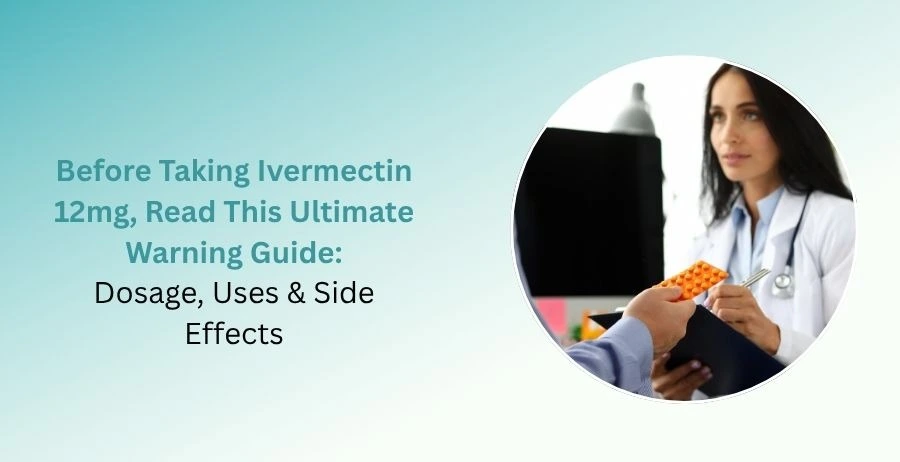
Before Taking Ivermectin 12mg, Read This Ultimate Warning Guide: Dosage, Uses & Side Effects
- Published on : April 11, 2026
Introduction
Ivermectin 12mg has gained widespread attention in recent years due to its use in treating parasitic infections and the discussions surrounding its broader applications. Among the various strengths available, Ivermectin 12mg is one of the commonly prescribed dosages for specific conditions in humans. However, despite its popularity, there is still a great deal of confusion regarding its correct use, safety profile, and potential risks.
This blog aims to provide a clear, well-researched, and easy-to-understand guide on Ivermectin tablets 12mg, including how they work, recommended dosages, side effects, precautions, and frequently asked questions. Whether you’re a patient, caregiver, or simply looking for reliable information, this guide will help you make informed decisions.
What is Ivermectin 12mg?
Ivermectin 12mg is an oral medication primarily used to treat parasitic infections. It belongs to a class of drugs known as antiparasitic agents and works by targeting the nervous system of parasites, ultimately leading to their death.
Originally developed for veterinary use, ivermectin was later approved for human use due to its effectiveness against a wide range of parasites. Today, it is commonly prescribed to treat conditions such as:
- Intestinal strongyloidiasis
- Onchocerciasis (river blindness)
- Scabies
- Head lice
For a deeper understanding of how antiparasitic medications work, you can explore this helpful resource on parasitic infections and treatments, which explains the broader medical context.
How Do Ivermectin Tablets 12mg Work?
Ivermectin tablets 12mg work by interfering with the nerve and muscle function of parasites. Specifically, the drug binds to certain channels in the parasite’s cells, causing paralysis and eventual death.
Unlike antibiotics that target bacteria, ivermectin is specifically designed to act on parasites without significantly affecting human cells when used correctly. This selectivity is what makes it effective and generally safe under proper medical supervision.
Common Uses of Ivermectin 12mg
Doctors prescribe Ivermectin 12mg for several medical conditions, including:
1. Strongyloidiasis
A parasitic infection of the intestines caused by Strongyloides stercoralis.
2. Onchocerciasis
Also known as river blindness, this infection is caused by parasitic worms transmitted through insect bites.
3. Scabies
A skin condition caused by mites that burrow into the skin, leading to itching and rashes.
4. Lice Infestation
Used when topical treatments fail or are not suitable.
If you’re curious about skin-related parasitic conditions, this detailed guide on scabies symptoms and treatment provides additional insight.
Ivermectin 12mg Dosage for Humans
Understanding the correct Ivermectin 12mg dosage for humans is essential for both effectiveness and safety. Dosage typically depends on:
- Body weight
- Type of infection
- Severity of the condition
- Medical history
General Dosage Guidelines
- The standard dose is usually calculated based on body weight (micrograms per kilogram).
- It is often taken as a single dose on an empty stomach with water.
- In some cases, repeated doses may be required after a specific interval.
Important Note: Self-medication is strongly discouraged. Always consult a qualified healthcare provider before taking ivermectin.
For professional dosage standards, you may refer to ivermectin dosage guidelines, which provides medically reviewed information.
How to Take Ivermectin Tablets 12mg Safely
To ensure maximum effectiveness and reduce risks, follow these tips:
- Take the tablet on an empty stomach (at least 1 hour before meals).
- Swallow it with a full glass of water.
- Avoid alcohol while taking the medication.
- Do not exceed the prescribed dose.
- Follow your doctor’s instructions strictly.
Side Effects of Ivermectin 12mg
Like any medication, Ivermectin tablets 12mg can cause side effects. While many people tolerate it well, some may experience mild to moderate reactions.
Common Side Effects
- Nausea
- Diarrhea
- Dizziness
- Fatigue
- Headache
Less Common Side Effects
- Skin rash
- Itching
- Swelling
Serious Side Effects (Rare)
- Severe allergic reactions
- Vision changes
- Confusion or neurological symptoms
- Difficulty breathing
If you experience severe symptoms, seek immediate medical attention.
Risks and Precautions
While Ivermectin 12mg is generally safe when used correctly, certain precautions should be considered:
1. Pregnancy and Breastfeeding
Consult your doctor before use, as safety data may be limited.
2. Liver Conditions
Patients with liver disease should use ivermectin cautiously.
3. Drug Interactions
Ivermectin may interact with other medications, including:
- Blood thinners
- Sedatives
- Certain antibiotics
4. Overdose Risks
Taking more than the recommended dose can lead to serious complications, including neurological effectsFor more information on medication safety and interactions, check this resource on ivermectin drug interactions and safety.
Misuse and Controversies
In recent years, ivermectin has been widely discussed beyond its approved uses. While research is ongoing, it is important to rely only on scientifically validated and medically approved uses.
Using Ivermectin tablets 12mg for unapproved purposes without medical supervision can be dangerous and ineffective.
Benefits of Ivermectin 12mg
Despite the concerns, ivermectin remains a highly valuable medication when used appropriately:
- Effective against multiple parasitic infections
- Generally well-tolerated
- Cost-effective
- Widely available
Its role in global health, especially in controlling parasitic diseases, is significant.
Storage and Handling
Proper storage ensures the medication remains effective:
- Store at room temperature
- Keep away from moisture and heat
- Keep out of reach of children
- Do not use expired tablets
When to Avoid Ivermectin 12mg
Avoid using Ivermectin 12mg if:
- You are allergic to ivermectin
- You are taking conflicting medications
- You have not been diagnosed with a condition requiring it
Always seek medical advice before starting treatment.
Frequently Asked Questions (FAQs)
1. What is Ivermectin 12mg used for?
It is primarily used to treat parasitic infections such as strongyloidiasis, onchocerciasis, scabies, and lice.
2. What is the correct Ivermectin 12mg dosage for humans?
The dosage depends on body weight and medical condition. Always follow your doctor’s prescription.
3. Can I take Ivermectin tablets 12mg without a prescription?
No, it is not recommended. Self-medication can lead to serious health risks.
4. Are there any long-term side effects?
Long-term use is generally not recommended unless prescribed. Side effects depend on dosage and duration.
5. How quickly does Ivermectin 12mg work?
It begins working within hours, but full effects may take a few days depending on the condition.
6. Can I take it with food?
It is best taken on an empty stomach for better absorption.
7. Is Ivermectin safe for children?
It may be prescribed for children based on weight and condition, but only under medical supervision.
8. What should I do if I miss a dose?
Take it as soon as you remember, unless it’s close to the next dose. Do not double dose.
Final Thoughts
Ivermectin 12mg is a powerful and effective medication when used correctly for approved medical conditions. However, like any drug, it must be used responsibly and under professional guidance.
Understanding the correct use of Ivermectin tablets 12mg, including proper dosage, potential side effects, and precautions, is essential for ensuring safety and achieving the best outcomes.
If you are considering this medication, always consult a qualified healthcare provider to determine whether it is appropriate for your condition.
Table of Contents
Product categories
- AMOXICILLIN
- AZITHROMYCIN
- Cancer
- Cephalexin
- Ciprofloxacin
- CLENBUTEROL
- Colchicine
- Doxycycline
- Erectile Dysfunction
- FENBENDAZOLE & MEBENDAZONE
- Fluconazole
- Fluvoxamine
- Gabapentin
- General
- Generic Paxlovid
- Hdroxychloroquine
- Hormonal
- Infection
- Inhaler & Respules
- Ivermectin
- Low And High Dose Naltrexone
- Metronidazole
- OLANZAPINE & MIRTAZAPINE
- Other
- Pirfenidone
- PREDNISONE
- Psychiatric Medicine
- Skin Care
- Testosterone
- Thyroid
- Viral Care
- VITAMIN B12 & VITAMIN D3
- Weight Loss & Diabetic