
Blog
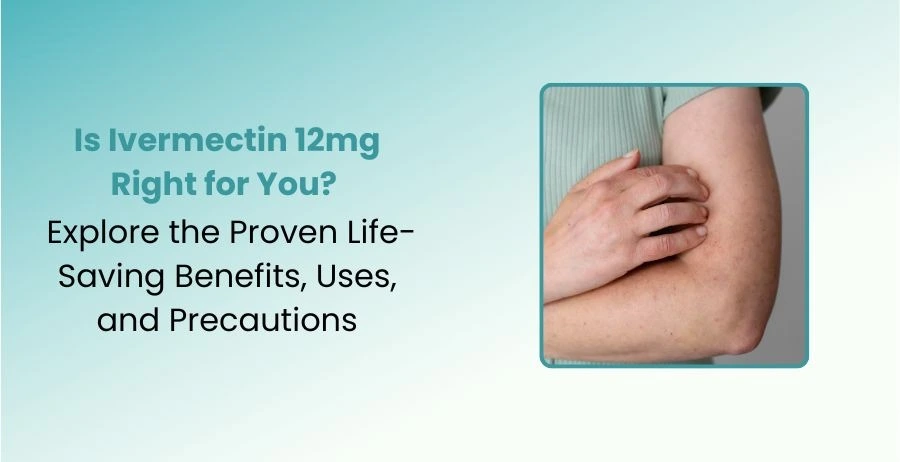
Is Ivermectin 12mg Right for You? Explore the Proven Life-Saving Benefits, Uses, and Precautions
- Published on : April 4, 2026
Introduction: Understanding Ivermectin 12mg
In recent years, the name Ivermectin 12mg has gained widespread attention globally. Primarily known as an antiparasitic medication, ivermectin has been used for decades to treat a variety of infections caused by parasites. While it’s been welcomed as a lifesaving drug in many parts of the world, it is equally important to understand its proper usage, advantages, precautions, and limitations.
What Is Ivermectin 12mg?
Ivermectin is an oral medication originally derived in the late 1970s from a compound found in soil bacteria. It is widely recognized for its antiparasitic properties. The 12mg dosage refers to the strength of the tablet, making it suitable for adult use under proper medical guidance.
Ivermectin works by disrupting the nervous system of parasites, leading to paralysis and death of the parasite. It does not kill the parasites directly as antibiotics do with bacteria; instead, it targets the nervous system of certain parasitic organisms.
This drug has been listed by the World Health Organization (WHO) as an essential medicine for treating certain parasitic infections. See more details from the WHO list of essential medicines here: WHO – Essential Medicines List.
Common Conditions Treated with Ivermectin 12mg
1. Human Parasitic Worm Infections
Ivermectin is widely used to treat several parasitic worm infections, including:
- Onchocerciasis (River Blindness): A leading cause of preventable blindness in tropical regions. Ivermectin has been a cornerstone in controlling this disease.
- Strongyloidiasis: A potentially life‑threatening infection caused by threadworms.
- Other parasitic infections: In specific cases, doctors may prescribe ivermectin for other worm‑related diseases.
2. Scabies and External Parasites
In dermatology, Ivermectin tablets 12mg may be prescribed to treat severe scabies infestations, particularly when topical creams are ineffective or difficult to use.
3. Veterinary Uses (Not for Human Self‑Use)
Ivermectin is also used in veterinary medicine to protect animals from parasites. However, animal formulations should NEVER be used by humans as these have different concentrations and inactive ingredients which could be dangerous.
How Does Ivermectin Work?
The mechanism of action of ivermectin is focused on paralysis of the parasite’s nervous system. It binds to certain nerve and muscle cell receptors in parasites, increasing cell permeability to chloride ions. This causes hyperpolarization (imbalance of electrical charge) in the parasite’s nervous system, leading to paralysis and death.
Importantly, the drug targets receptors found in parasites, not in humans, which makes it relatively safe when used at medically approved doses.
However, this does not mean it’s free from side effects or interactions, so careful medical supervision is essential.
Ivermectin 12mg Tablet: Formulation & Availability
The Ivermectin 12mg tablet is a solid oral pill intended to be swallowed with water. It is typically prescribed by doctors in areas where parasitic infections are prevalent, but may also be used elsewhere under medical supervision.
The tablets are manufactured by various pharmaceutical companies and are usually prescribed as a single dose for parasitic infections or repeated doses depending on the condition and patient’s health status.
Because of its popularity, it’s important to only obtain these tablets from licensed pharmacies based on an official prescription.
Ivermectin 12mg Dosage for Humans
One of the most commonly searched terms is Ivermectin 12mg dosage for humans. But it’s crucial to note that dosage can vary greatly depending on the condition, age, weight, existing health issues, and local medical guidelines. Therefore, what follows is general information — not a prescription.
Typical Dosage Guidelines (Generalized)
- Onchocerciasis: Often given as a single dose once every 6–12 months.
- Strongyloidiasis: A single dose, may be repeated depending on clinical response.
- Scabies (severe cases): May require repeated doses over days.
Important: The exact dose is usually calculated based on body weight. A standard adult dose might be around 150–200 µg per kilogram of body weight. For a 70‑kg adult, this would approximate 12mg. However, medical professionals determine this precisely.
Never self‑dose based on information from the internet.
More details on clinical dosing can be found through authoritative medical references like the CDC guidelines: CDC – Parasites and Ivermectin.
Safety and Side Effects of Ivermectin 12mg
Like all medications, Ivermectin tablets 12mg have potential side effects, which can vary depending on the individual.
Common Mild Side Effects
These may include:
- Nausea or vomiting
- Diarrhea
- Dizziness
- Mild skin rash
- Headache
These are usually transient and resolve as the body adjusts.
Less Common Serious Effects
If you experience any of the following, seek immediate medical attention:
- Severe allergic reactions
- Significant dizziness or fainting
- Vision changes
- Rapid heart rate
- Confusion or neurologic symptoms
Interactions
Ivermectin can interact with other medications, including:
- Blood thinners (e.g., warfarin)
- Certain sedatives
- Other antiparasitic drugs
Always tell your doctor about all medications and supplements you’re taking before starting ivermectin.
Precautions and Who Should Avoid Ivermectin
Even though ivermectin has a long safety record, not everyone can or should use it.
People Who Should Use with Caution
- Pregnant or breastfeeding women
- Individuals with liver or kidney disease
- People on multiple medications
- Elderly patients
Situations Requiring Medical Evaluation
Before using Ivermectin 12mg tablet, individuals should be evaluated for:
- Heart conditions
- Neurological disorders
- Allergies to similar medications
Your healthcare provider will decide if ivermectin is safe for your specific situation.
Myths vs. Evidence: What Does Science Say?
There has been global discussion about ivermectin’s use in conditions such as viral illnesses. It’s important to separate facts from misinformation:
- Approved Use: Ivermectin is approved by regulatory agencies like the U.S. Food and Drug Administration (FDA) for specific parasitic infections. It is not generally approved for viral infections unless part of a controlled clinical study.
- Scientific Evidence: Research continues, but evidence for many off‑label uses remains inconclusive.
- Safety Concerns: Using veterinary or unregulated versions of ivermectin can be dangerous.
For up‑to‑date scientific information, consider checking clinical research databases such as PubMed: PubMed – Ivermectin Research.
Where to Get Genuine Ivermectin 12mg Tablets
Genuine Ivermectin 12mg tablets should always come from licensed pharmacies, dispensed only with a valid prescription. Counterfeit products can contain harmful ingredients and incorrect dosages.
Many countries require a doctor’s prescription to purchase this medication. Always verify:
- The pharmacy is licensed in your country
- The packaging is sealed and intact
- The drug’s expiry date and manufacturing details
Never buy ivermectin from unverified online sources without a prescription.
Real‑World Experiences & Testimonials
People who have taken ivermectin for medically approved parasitic conditions often report relief from symptoms such as:
- Itching and discomfort from parasitic skin infections
- Digestive issues related to intestinal parasites
- Improved overall health after parasite eradication
However, experiences with medication can vary from person to person. What works for one patient may not be the same for another.
It is always best to consult a doctor before, during, and after treatment to monitor effectiveness and side effects.
Alternatives and Complementary Measures
For parasitic infections, healthcare providers may recommend additional or alternative treatments depending on the specific parasite involved. These can include:
- Albendazole or Praziquantel: Antiparasitic drugs with different mechanisms
- Topical medications (e.g., creams or ointments): For skin parasites like scabies
- Hygiene and prevention: Washing hands, improving sanitation, and avoiding contaminated food or water
Doctors may combine therapies to improve outcomes, but such decisions must be medically guided.
FAQ: Common Questions About Ivermectin 12mg
1. What is Ivermectin 12mg used for?
Ivermectin 12mg is used to treat certain parasitic infections like onchocerciasis (river blindness), strongyloidiasis, and severe cases of scabies. It works by paralyzing the nervous system of parasites.
2. Can humans take Ivermectin tablets 12mg safely?
Yes, humans can take ivermectin safely when prescribed by a healthcare provider and taken in the correct dosage. Misuse or self‑medication can be harmful.
3. What is the correct Ivermectin 12mg dosage for humans?
The proper dosage depends on body weight, condition treated, and medical judgment. A typical guideline may be around 200 micrograms per kilogram of body weight, but only a doctor can determine the exact dose.
4. Are there side effects of Ivermectin 12mg?
Yes, common side effects include nausea, dizziness, diarrhea, and headache. Rare but more serious effects may occur, requiring medical attention.
5. Can Ivermectin 12mg be used for viral infections?
Ivermectin is not generally approved for treating viral infections. Some research exists, but the evidence is inconclusive, and it should only be used under clinical supervision.
6. Where can I buy Ivermectin 12mg tablet?
You should buy it from licensed pharmacies with a doctor’s prescription. Avoid unregulated online sellers.
Conclusion: Informed Use Is Essential
Ivermectin 12mg remains a valuable therapeutic option for treating specific parasitic infections under medical guidance. Understanding how it works, when it’s appropriate, and how to use it safely helps ensure effective treatment and reduces the risk of complications.
In summary:
- Always consult healthcare professionals before starting treatment.
- Use genuine, pharmacy‑dispensed tablets.
- Be aware of dosage, side effects, and interactions.
- Separate clinical evidence from misinformation.
By following responsible medical guidance, Ivermectin 12mg can be a safe and effective part of parasite management.
Table of Contents
Product categories
- AMOXICILLIN
- AZITHROMYCIN
- Cancer
- Cephalexin
- Ciprofloxacin
- CLENBUTEROL
- Colchicine
- Doxycycline
- Erectile Dysfunction
- FENBENDAZOLE & MEBENDAZONE
- Fluconazole
- Fluvoxamine
- Gabapentin
- General
- Generic Paxlovid
- Hdroxychloroquine
- Hormonal
- Infection
- Inhaler & Respules
- Ivermectin
- Low And High Dose Naltrexone
- Metronidazole
- OLANZAPINE & MIRTAZAPINE
- Other
- Pirfenidone
- PREDNISONE
- Psychiatric Medicine
- Skin Care
- Testosterone
- Thyroid
- Viral Care
- VITAMIN B12 & VITAMIN D3
- Weight Loss & Diabetic