
Blog
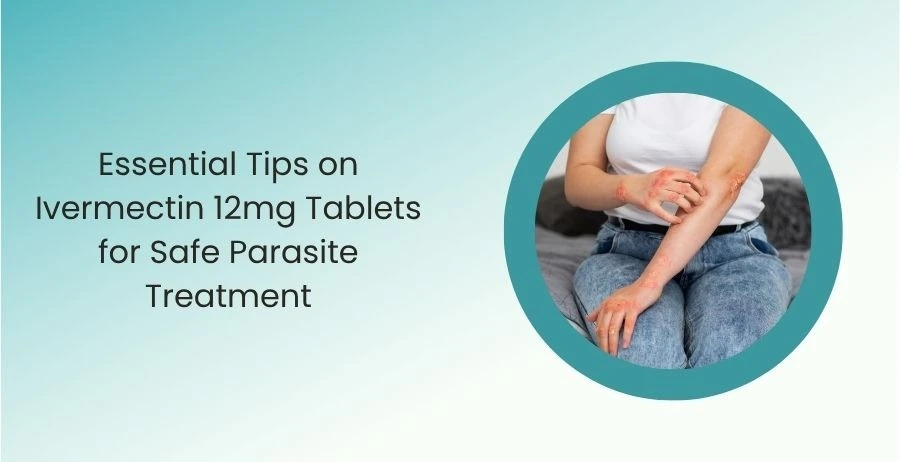
Essential Tips on Ivermectin 12mg Tablets for Safe Parasite Treatment
- Published on : April 1, 2026
Ivermectin 12mg has emerged as one of the most discussed medications of recent decades. While many people recognize the name, few understand what it is, how it works, why it’s prescribed, and how to use it safely. In this detailed guide, we’ll walk you through everything you need to know about Ivermectin 12mg, including its real medical benefits, appropriate dosage for humans, safety precautions, side effects, and common questions from patients — all backed by trusted medical information.
What Is Ivermectin 12mg?
Ivermectin 12mg is an oral antiparasitic medication used in humans to treat certain parasite‑related infections. It belongs to a class of drugs known as anthelmintics, which work to paralyze and kill parasitic worms and other parasites living inside the body.
The medication is available in tablet form, and 12mg refers to the strength of the tablet. Often, the dosage prescribed to a patient depends on the individual’s body weight, medical condition, and type of infection.
Unlike antibiotics or antiviral medications, ivermectin does not treat bacterial or viral infections, and it’s not FDA‑approved for conditions such as COVID‑19.
👉 For more on the clinical uses and official drug description of ivermectin, you can visit the Mayo Clinic patient information page on ivermectin tablets.
How Does Ivermectin Work?
Ivermectin functions by targeting specific nerve and muscle channels that exist in parasites but not in humans. By binding to these channels, the drug causes paralysis of the parasite and ultimately its elimination by the body’s immune system.
This targeted mechanism is why the drug is effective against parasitic infections and why it should only be used for medically approved conditions. Misuse or overdose can lead to unwanted effects.
Medically Approved Uses of Ivermectin 12mg
Ivermectin 12mg tablet is prescribed by healthcare professionals for several key parasitic conditions:
✅ 1. Strongyloidiasis
A type of intestinal parasite infection caused by Strongyloides stercoralis. If left untreated, it can cause long‑term health problems.
✅ 2. Onchocerciasis (River Blindness)
A parasitic infection that affects the skin and eyes. River blindness can lead to severe itching, skin changes, and vision issues if not treated.
✅ 3. Scabies (Selected Cases — under medical supervision)
While not the first‑line treatment everywhere, ivermectin may be used orally in certain scabies cases when topical treatments are inadequate.
👉 Note: Ivermectin is not approved to treat viral infections, including COVID‑19. Any use for viruses should only occur within regulated clinical trials.
Understanding Ivermectin 12mg Dosage for Humans
A common question among patients is:
How much Ivermectin 12mg should I take?
The answer is that dosage varies by weight, condition, and doctor’s recommendation. Doctors calculate the appropriate dose based on micrograms per kilogram of body weight.
General Dosage Principles
- Ivermectin 12mg dosage for humans is not a one‑size‑fits‑all solution.
- The drug is taken on an empty stomach, usually with water.
- Doctors determine dosage based on the type of parasite and body weight.
Typical Body‑Weight Based Dosage (Example)
| Condition | Dosage Recommendation | Tablet Equivalent |
|---|---|---|
| Strongyloidiasis | ~200 mcg per kg | Approx. 12mg for ~60kg adult |
| Onchocerciasis | ~150 mcg per kg | Approx. 12mg for ~80kg adult |
⚠️ These values are for reference only. Never self‑medicate — always follow healthcare provider instructions.
When and How to Take Ivermectin 12mg
Taking ivermectin the right way improves its effectiveness and reduces the chance of side effects.
📌 Follow These Tips:
✔ Take the tablet on an empty stomach
✔ Drink a full glass of water with the tablet
✔ Avoid eating right before and after dosing (unless your doctor says otherwise)
✔ Do not split tablets unless advised by a pharmacist
One single dose is often sufficient for treating many parasitic infections, but repeat dosing may be needed depending on the condition and body response.
Side Effects & Safety Alerts
Like all medications, Ivermectin 12mg tablets can cause side effects. Some are mild and harmless, while others require immediate medical attention.
✅ Common Side Effects
- Nausea or vomiting
- Dizziness or light‑headedness
- Headache
- Muscle pain
- Loss of appetite
These often resolve once the drug has left the system.
⚠ Serious Side Effects (Seek Help Immediately)
- Severe allergic reactions
- Difficulty breathing
- Rash or hives
- Vision changes
- Confusion or fainting
- Severe dizziness
If any serious symptom occurs, contact your doctor or local emergency services right away.
Important Safety Precautions
Before taking Ivermectin 12mg, inform your healthcare provider if you have any of the following:
✔ History of liver problems
✔ Pregnancy or breastfeeding
✔ Current use of other medications
✔ Allergies to medications
⚠ Do not take veterinary ivermectin meant for animals. Products for animals are not regulated for human use and can be dangerous.
Myths vs. Facts About Ivermectin
There are many misconceptions online about what ivermectin can and cannot do. Here are some facts based on medical evidence:
❌ Myth: Ivermectin cures viral infections (like COVID‑19)
📌 Fact: There’s no FDA‑approved evidence that ivermectin treats viral infections.
❌ Myth: Higher doses work better
📌 Fact: Taking more than the prescribed dose increases risk and does not improve effectiveness.
❌ Myth: You can use animal ivermectin tablets in humans
📌 Fact: Veterinary products are unsafe for humans and have different concentrations.
Frequently Asked Questions (FAQs)
📌 1. What is Ivermectin 12mg used for?
Ivermectin 12mg is primarily used to treat parasitic infections such as strongyloidiasis and river blindness.
📌 2. How is the dosage determined?
It is based on body weight and type of infection and prescribed by a doctor.
📌 3. Is it safe to self‑medicate?
No. You should never use ivermectin without a medical prescription.
📌 4. Can ivermectin 12mg treat skin parasites like scabies?
Yes, in specific clinical situations under medical supervision.
📌 5. How often should I take ivermectin?
Often a single dose is recommended, with occasional repeat doses based on the condition.
📌 6. What should I avoid while taking ivermectin?
Avoid alcohol and other medications unless your doctor approves them.
📌 7. Where can I learn more about effective parasitic treatments?
A reliable resource on parasitic diseases and preventive guidelines is the World Health Organization (WHO) patient education section.
Conclusion
Ivermectin 12mg tablets play an essential role in modern parasitic disease treatment — but only when used appropriately and under medical guidance. Understanding its uses, dosage, precautions, and side effects is vital to safe and effective treatment.
If you’re considering or have been prescribed Ivermectin 12mg, use this guide to support your knowledge and discuss any concerns with your doctor. Your health deserves careful attention, and accurate information makes all the difference.
Table of Contents
Product categories
- AMOXICILLIN
- AZITHROMYCIN
- Cancer
- Cephalexin
- Ciprofloxacin
- CLENBUTEROL
- Colchicine
- Doxycycline
- Erectile Dysfunction
- FENBENDAZOLE & MEBENDAZONE
- Fluconazole
- Fluvoxamine
- Gabapentin
- General
- Generic Paxlovid
- Hdroxychloroquine
- Hormonal
- Infection
- Inhaler & Respules
- Ivermectin
- Low And High Dose Naltrexone
- Metronidazole
- OLANZAPINE & MIRTAZAPINE
- Other
- Pirfenidone
- PREDNISONE
- Psychiatric Medicine
- Skin Care
- Testosterone
- Thyroid
- Viral Care
- VITAMIN B12 & VITAMIN D3
- Weight Loss & Diabetic