

Blog
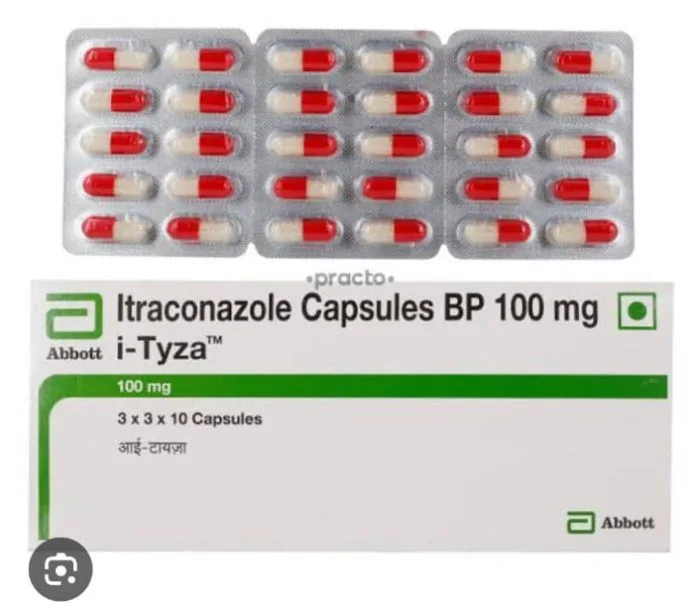
Itraconazole 100 mg: A Complete Guide to Its Role in Treating Fungal Infections
- Published on : December 16, 2025
Fungal infections are more common than many people realize. They can affect the skin, nails, mouth, lungs, and even internal organs, especially when the immune system is weakened. While mild infections may respond to topical treatments, moderate to severe fungal infections often require oral antifungal medication. One such trusted medicine is Itraconazole 100 mg.
Itraconazole has been widely used in medical practice for decades and is valued for its effectiveness against a broad range of fungal organisms. In this blog, we will take an in-depth look at Itraconazole 100 mg, including how it works, what conditions it treats, how it is taken, possible side effects, safety considerations, and frequently asked questions. This content is intended for educational purposes and should not replace professional medical advice.
Understanding Itraconazole 100 mg
Itraconazole 100 mg is an oral antifungal medication that belongs to the triazole class of antifungal drugs. It is designed to treat fungal infections caused by yeasts and molds that cannot be adequately managed with creams or ointments alone.
The medication is commonly available in capsule form, although oral solutions and injectable formulations may also be used in specific medical settings. The 100 mg strength is frequently prescribed because it allows flexible dosing depending on the severity and type of infection.
How Itraconazole 100 mg Works in the Body
Fungal cells rely on a substance called ergosterol, which is an essential component of their cell membranes. Itraconazole works by blocking the enzyme responsible for producing ergosterol. Without adequate ergosterol, the fungal cell membrane becomes unstable and leaky, preventing the fungus from growing or surviving.
This targeted action helps eliminate fungal infections while minimizing harm to human cells. Because of its mechanism, itraconazole is effective against both superficial and deeper fungal infections.
Medical Uses of Itraconazole 100 mg
Itraconazole 100 mg is prescribed for a wide range of fungal conditions. Depending on the diagnosis, treatment duration and dosage may vary.
1. Skin-Related Fungal Infections
Itraconazole is often used when skin infections do not respond to topical antifungal treatments. These include:
- Ringworm of the body
- Athlete’s foot
- Fungal infections of the groin
- Chronic or widespread fungal rashes
2. Nail Fungal Infections
Fungal infections of the fingernails and toenails can be difficult to treat. Itraconazole penetrates the nail bed and helps eliminate the infection from within, though treatment may take several weeks or months.
3. Oral and Mucosal Fungal Infections
In certain cases, itraconazole may be prescribed for fungal infections affecting the mouth or throat, especially when other treatments are ineffective.
4. Lung and Systemic Fungal Infections
Itraconazole is also used to treat more serious fungal infections, such as:
- Aspergillosis
- Histoplasmosis
- Blastomycosis
- Other deep fungal infections affecting internal organs
These conditions typically require longer treatment durations and close medical supervision.
Dosage and How to Take Itraconazole 100 mg
The exact dosage of itraconazole depends on the type of infection, its severity, and the patient’s overall health.
General Administration Guidelines
- Itraconazole capsules are usually taken after a full meal to improve absorption.
- Capsules should be swallowed whole with water.
- The medicine should be taken at the same time each day for best results.
Typical Dosage Ranges
- Mild to moderate skin infections: 100–200 mg daily for 1–4 weeks
- Nail infections: Often taken for several weeks or in cycles
- Systemic infections: Higher doses and longer treatment periods may be necessary
Patients should never change the dose or stop treatment early without consulting a healthcare professional, even if symptoms appear to improve.
Possible Side Effects of Itraconazole 100 mg
Like all medications, itraconazole may cause side effects, though many people tolerate it well.
Common Side Effects
- Nausea
- Abdominal discomfort
- Indigestion
- Headache
- Mild dizziness
These effects are usually temporary and may lessen as the body adjusts to the medication.
Less Common but Serious Side Effects
- Liver function changes
- Yellowing of the skin or eyes
- Dark-colored urine
- Swelling of the legs or feet
- Irregular heartbeat
- Severe allergic reactions
Any unusual or severe symptoms should be reported to a doctor immediately.
Important Safety Information and Precautions
Before starting Itraconazole 100 mg, it is essential to discuss your medical history with a healthcare provider.
Key Precautions
- Liver health: Regular monitoring may be required for patients with existing liver conditions.
- Heart conditions: Itraconazole may not be suitable for individuals with certain heart problems.
- Pregnancy and breastfeeding: Use only if clearly recommended by a healthcare professional.
- Drug interactions: Itraconazole can interact with several medications, including heart drugs, sedatives, and some cholesterol-lowering agents.
Always provide a complete list of medications and supplements you are taking.
Advantages of Using Itraconazole 100 mg
- Effective against a wide variety of fungal species
- Useful for both surface-level and internal infections
- Oral administration for convenience
- Long-standing history of clinical use
When used appropriately, itraconazole can significantly reduce symptoms and prevent complications from fungal infections.
Storage and Handling Instructions
- Store at room temperature
- Protect from moisture and direct heat
- Keep out of reach of children
- Do not use expired medication
Frequently Asked Questions (FAQs)
1. How quickly does Itraconazole 100 mg start working?
Some improvement may be noticed within a few days for skin infections, but nail and systemic infections often require several weeks to show visible results.
2. Can itraconazole be taken on an empty stomach?
Capsules are best taken after food, as this helps the body absorb the medication more effectively.
3. Is long-term treatment with itraconazole safe?
Long-term use may be necessary for certain infections, but it should always be monitored by a healthcare professional.
4. Can itraconazole cure fungal nail infections completely?
It can be very effective, but complete nail recovery takes time because healthy nails grow slowly.
5. Should alcohol be avoided during treatment?
Yes. Alcohol can increase the risk of liver-related side effects and should be avoided or limited.
6. What happens if I miss a dose?
Take it as soon as you remember unless it is close to the next dose. Do not double the dose.
Final Thoughts
Itraconazole 100 mg is a well-established antifungal medication used to treat a wide range of fungal infections, from common skin conditions to serious systemic diseases. When taken as prescribed and under medical supervision, it offers reliable and effective treatment outcomes.
Understanding how itraconazole works, its correct usage, and necessary precautions can help ensure safe and successful therapy. Always consult a qualified healthcare professional before starting or stopping this medication to achieve the best possible results for your health.
Table of Contents
Product categories
- AMOXICILLIN
- AZITHROMYCIN
- Cancer
- Cephalexin
- Ciprofloxacin
- CLENBUTEROL
- Colchicine
- Doxycycline
- Erectile Dysfunction
- FENBENDAZOLE & MEBENDAZONE
- Fluconazole
- Fluvoxamine
- Gabapentin
- General
- Generic Paxlovid
- Hdroxychloroquine
- Hormonal
- Infection
- Inhaler & Respules
- Ivermectin
- Low And High Dose Naltrexone
- Metronidazole
- OLANZAPINE & MIRTAZAPINE
- Other
- Pirfenidone
- PREDNISONE
- Psychiatric Medicine
- Skin Care
- Testosterone
- Thyroid
- Viral Care
- VITAMIN B12 & VITAMIN D3
- Weight Loss & Diabetic